



W1 WAL Tungsten Wire
We produce two types of tungsten wire - Pure tungsten wire and WAL (K-Al-Si doped) tungsten wire.
Pure tungsten wire is produced typically for re-straightening into rod products and for applications where there is a low alkali content requirement.
WAL tungsten wire which has been doped with trace amounts of potassium has an elongated interlocking grain structure with non-sag properties after re-crystallization. WAL tungsten wire is produced in sizes from less than 0.02mm up to 6.5mm in diameter and is used largely for lamp filament and wire filament applications.
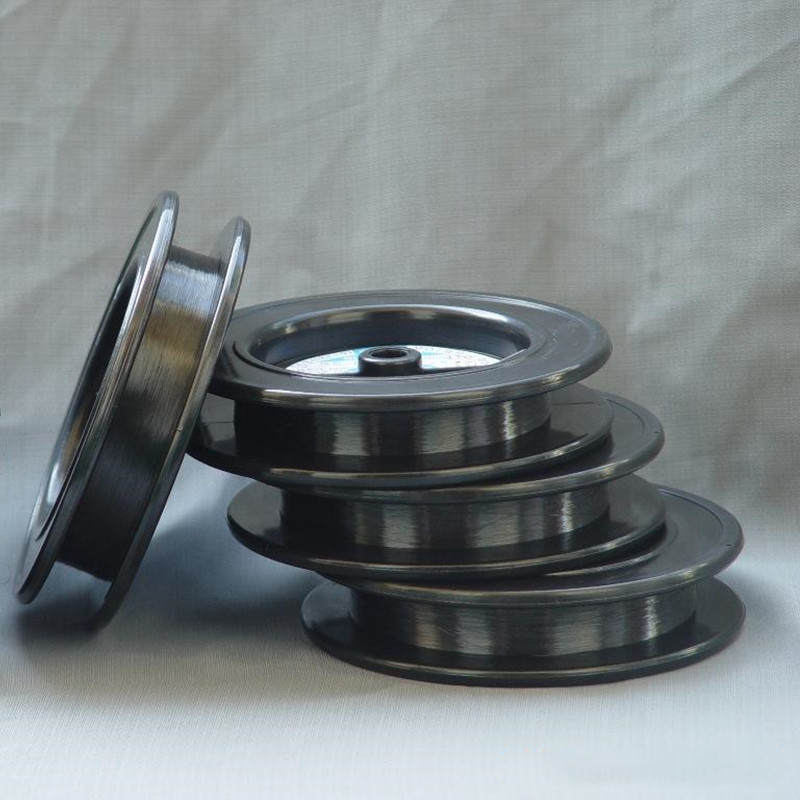
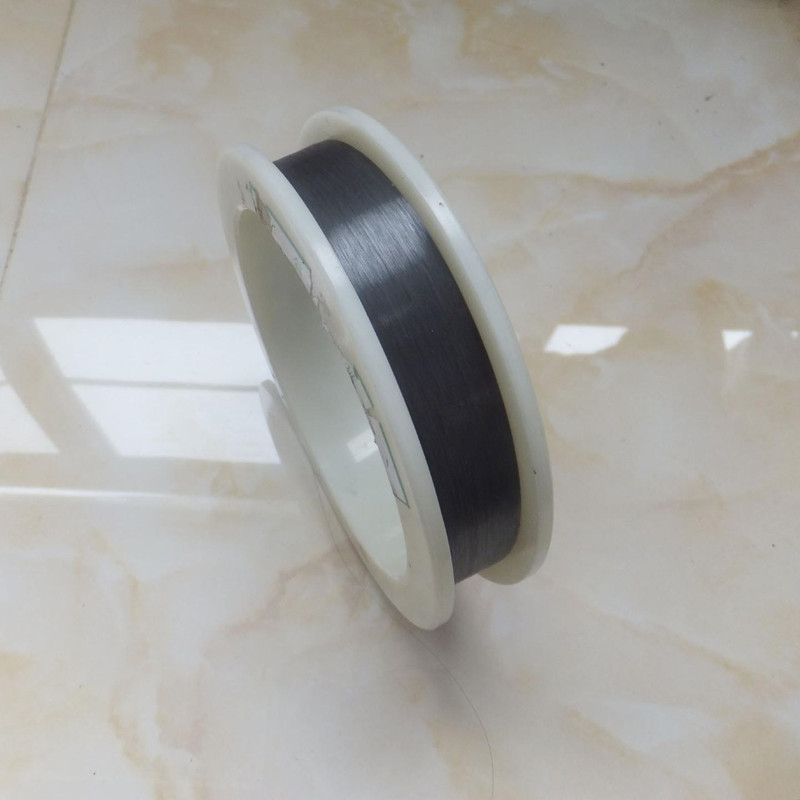
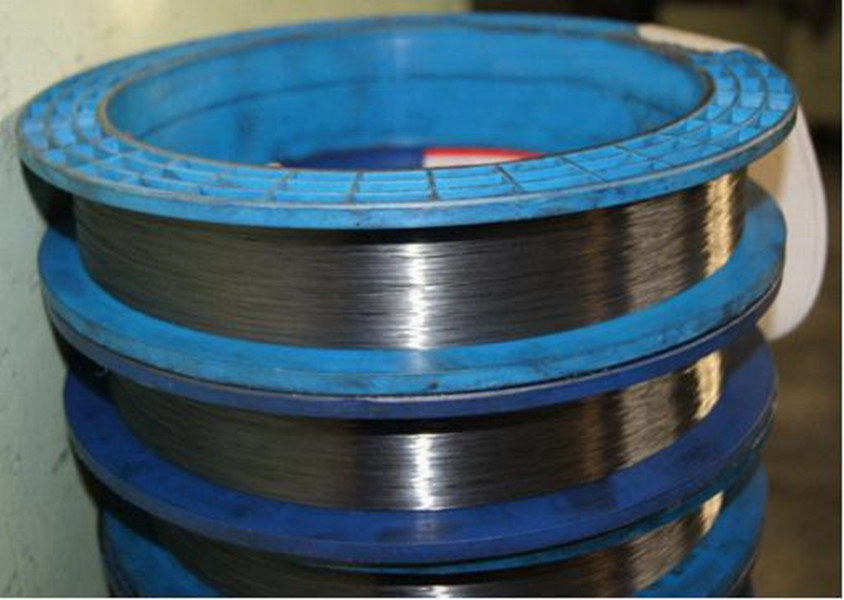
Tungsten wire is spooled on clean, defect free spools. For very large diameters, tungsten wire is self coiled. Spools are level filled without piling near flanges. The outer end of the wire is properly marked and attached securely to the spool or self coil.
Tungsten Wire Application:
|
Type |
Name |
Kind |
Applications |
|
WAL1 |
Nonsag tungsten wires |
L |
Used in making single coiled filaments, filaments in fluorescent lamps and other components. |
|
B |
Used in making coiled coil and filaments in High power incandescent bulb, stage decoration lamp, heating filaments, halogen lamp, special lamps etc. |
||
|
T |
Used in making special lamps, exposition lamp of copy machine and lamps used in automobiles. |
||
|
WAL2 |
Nonsag tungsten wires |
J |
Used in making filaments in incandescent bulb, fluorescent lamp, heating filaments, spring filaments, grid electrode, gas-discharge lamp, electrode and other electrode tubes parts. |
Chemical Compositions:
|
Type |
Kind |
Tungsten content (%) |
Total amount of impurity (%) |
The content of each element (%) |
Kalium content (ppm) |
|
WAL1 |
L |
>=99.95 |
<=0.05 |
<=0.01 |
50~80 |
|
B |
60~90 |
||||
|
T |
70~90 |
||||
|
WAL2 |
J |
40~50 |
|||
|
Note: Kalium should not be taken as impurity, and tungsten powder must be have been washed by acid. |
|||||
Applications of Tungsten Filaments
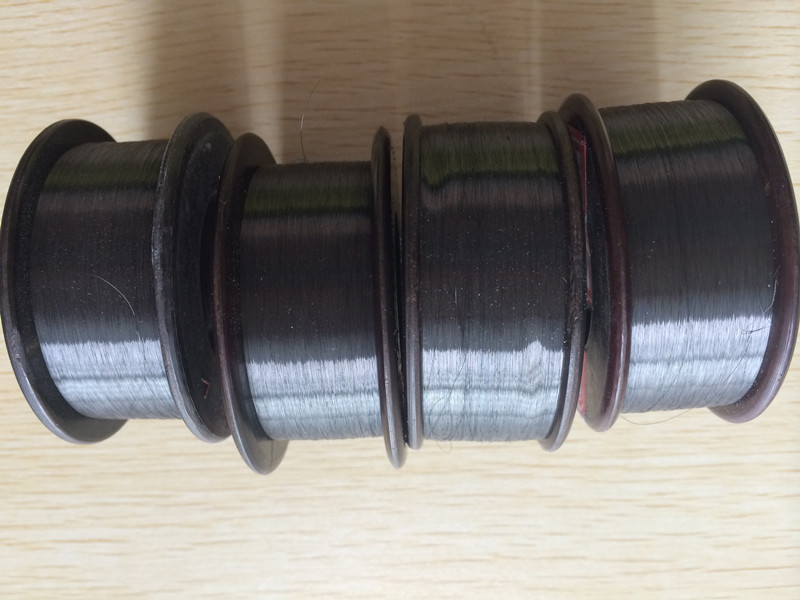
In the process of modern industrial and technological development, tungsten filament, as a high-performance material, plays an indispensable role in numerous fields due to its unique physical and chemical properties. Tungsten filament is made primarily from metallic tungsten, processed into fine wires through a series of precision steps. It possesses characteristics such as a high melting point (approximately 3422°C), high strength, high hardness, good electrical conductivity, and excellent corrosion resistance, which lay a solid foundation for its widespread application.
Lighting: A Blend of Tradition and Innovation
Lighting is one of the earliest and most well-known applications of tungsten filament. The high melting point of tungsten filament allows it to withstand temperatures reaching thousands of degrees Celsius without melting, ensuring stable light emission and a long lifespan for bulbs. Although the market share of incandescent bulbs has declined with the rise of new lighting technologies such as LEDs, incandescent bulbs still maintain a certain market position in specific scenarios, such as home decorative lighting and stage effect lighting, due to their unique warm-toned light and instant-on characteristics.
Besides incandescent bulbs, halogen tungsten lamps are also an important application area for tungsten filaments. Halogen tungsten lamps cleverly solve the problem of bulb blackening and shortened lifespan caused by tungsten filament evaporation at high temperatures by filling the bulb with halogen gas (such as iodine or bromine). During operation, the evaporated tungsten atoms react with the halogen gas to form tungsten halide. When the tungsten halide approaches the high-temperature filament, it decomposes back into tungsten and halogen gas, allowing the tungsten to redeposit on the filament, achieving tungsten recycling and greatly extending the filament's lifespan while improving light brightness and stability. Halogen tungsten lamps are widely used in automotive headlights, stage and film lighting, professional photography lighting, and industrial and commercial lighting, providing high-intensity, high-stability light sources for these applications.
Electronics Industry: The Cornerstone of Modern Technology
In the electronics industry, tungsten filaments also play a crucial role. In vacuum tubes and cathode ray tubes, tungsten filaments are often used as cathode materials for emitting electrons or as heating wires. Although vacuum tubes are gradually being replaced by semiconductor devices in modern electronic equipment, they are still widely used in some specialized electronic devices, such as high-power microwave devices and certain electronic testing instruments, due to their unique performance advantages. In these cases, tungsten filament, as a key component of the vacuum tube, directly affects the operational stability and reliability of the equipment.
Medical Equipment: The Invisible Guardian of Health
The medical equipment field is also an important application area for tungsten filament, especially in critical medical imaging equipment such as X-ray equipment and CT scanners. In X-ray equipment, tungsten filament, as the cathode filament, is a key component in generating X-rays.
CT scanners, as a more advanced medical imaging device, also rely heavily on tungsten filament. With its high melting point, high strength, and stable electron emission properties, tungsten filament meets the stringent requirements of CT scanners for X-ray sources, ensuring efficient and accurate operation, providing doctors with clear and accurate diagnostic images, and helping patients detect and treat diseases promptly.
Industrial Heating: A Reliable Choice for High-Temperature Environments
In the field of industrial heating, tungsten filament is widely used as a heating element in high-temperature furnaces, such as vacuum furnaces and sintering furnaces. These high-temperature furnaces play a crucial role in industrial production processes such as material heat treatment, powder metallurgy, and electronic ceramic manufacturing, requiring stable operation for extended periods under extreme high-temperature environments.
Furthermore, tungsten filaments also function as important high-temperature heating elements in glass and ceramic production. Panshi, leveraging its advanced materials technology and manufacturing processes, can provide customized tungsten filament heating element solutions for the industrial heating sector.
FOTMA ALLOY's tungsten filament heating elements feature high heating efficiency, precise temperature control, and an exceptionally long service life, meeting the complex requirements of various industrial heating processes. This helps companies improve production efficiency and reduce costs, establishing a strong reputation in the industrial heating market. If you are interested in FOTMA ALLOY's tungsten and molybdenum products, please contact us!
BLOG:
Tungsten filament, the world’s most heat-resistant metal, cannot be melted even at 3000 degrees Celsius. How is it made?