

Products
-

Molybdenum Spray Wire
FOTMA high-performance molybdenum spray wire is a premium Mo-based wire specifically engineered for Atmospheric Plasma Spraying (APS) applications.
Manufactured from high-purity molybdenum powder using advanced powder metallurgy and precision drawing technology, this product delivers exceptional consistency and superior coating performance.
-
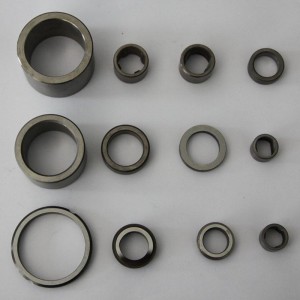
Cemented Carbide Mechanical Sealing Rings
Carbide sealing rings have the characteristics of wear resistance and corrosion resistance, and are widely used in mechanical seals in petroleum, chemical and other fields.
-
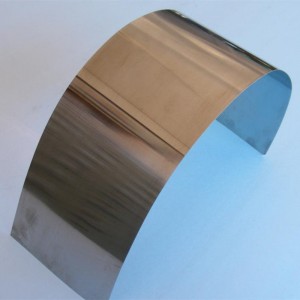
Pure Molybdenum Plate Molybdenum Sheet
Pure molybdenum plate is widely used in the construction of furnace tooling and parts and as a feed stock for the fabrication of parts for the electronics and semiconductor industries. We can supply molybdenum plate and molybdenum sheets as per customers’ requests.
-

Diamond Composite Materials
Diamond Composite Materials (DCM) represent a cutting-edge class of advanced engineering materials designed to push the boundaries of performance in applications characterized by extreme heat, wear, and demanding structural requirements. By ingeniously combining the unparalleled properties of synthetic diamond particles – renowned for their exceptional thermal conductivity, hardness, and stiffness – with various high-performance metallic or ceramic matrices (such as Copper, Aluminum, or Silicon Carbide), DCM achieve a synergistic blend of attributes unattainable by monolithic materials.
-

Molybdenum Copper Alloy (MoCu Alloy) Heat Sink
Molybdenum Copper Alloy (MoCu) is a sophisticated composite material strategically designed to combine the low coefficient of thermal expansion (CTE) and high stiffness of molybdenum with the exceptional thermal and electrical conductivity of copper. This unique pseudo-alloy, typically fabricated through powder metallurgy techniques involving the infiltration of a porous molybdenum preform with copper, delivers an unparalleled solution for advanced thermal management and electronic packaging challenges.
-

Copper Molybdenum Copper Composite (CMC) Material
Copper Molybdenum Copper (CMC) composite material is an innovative laminar metal composite, fabricated by tightly bonding copper (known for its excellent thermal and electrical conductivity) with molybdenum (renowned for its low coefficient of thermal expansion (CTE) and high rigidity) through specialized processes such as roll bonding, diffusion bonding, or vacuum brazing. The typical structure consists of two copper layers sandwiching a molybdenum layer, i.e., Cu-Mo-Cu.
-

Titanium-Zirconium-Molybdenum TZM Alloy
It is a commonly used high-temperature alloy in molybdenum based alloys, consisting of 0.50% titanium, 0.08% zirconium, and the remaining 0.02% carbon. TZM alloy has the characteristics of high melting point, high strength, high elastic modulus, small coefficient of linear expansion, low vapor pressure, good electrical and thermal conductivity, strong corrosion resistance, and good high-temperature mechanical properties, which have been widely used in many fields.
-
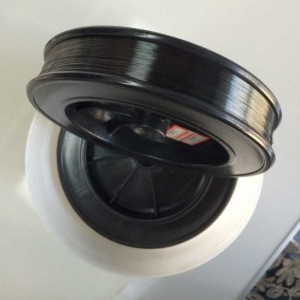
Mo-1 Pure Molybdenum Wire
Brief Introduction
Molybdenum wire is principally used in the high-temperature field of molybdenum furnace and radio tube outlets, also in thinning the molybdenum filament, and the molybdenum rod in heating materials for high-temperature furnace, and side-bracket/bracket/outlets wire for heating materials.
-
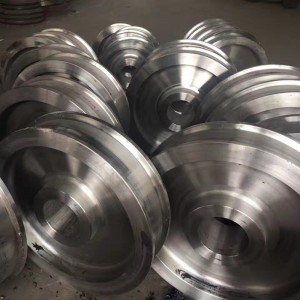
Forged Railway Wheel | Train Wheel Forging
Customized Alloy Steel Forged Railway Wheels. Double rim, single rim and rim-less wheels all available. The material of wheels can be ZG50SiMn, 65 steel, 42CrMo and so on, it can be customized according to customer’s requirements.
-

Silver Tungsten Alloy
Silver tungsten alloy is an extraordinary combination of two remarkable metals, silver and tungsten, that offers a unique set of properties and applications.
The alloy combines the excellent electrical conductivity of silver with the high melting point, hardness, and wear resistance of tungsten. This makes it highly suitable for various demanding applications in the electrical and mechanical fields.
-
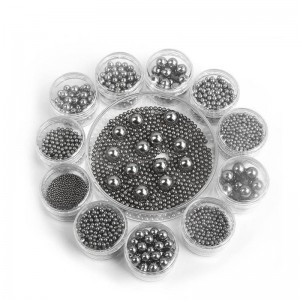
Tungsten Super Shot(TSS)
High density, great hardness and resistance to high temperature make tungsten to be one of the most sought-after materials for shotgun pellets in shooting history.The density of tungsten alloy is about 18g/cm3, only gold, platinum, and a few other rare metals have a similar density. So it is denser than any other shot material including lead, steel or bismuth.
-

W1 WAL Tungsten Wire
Tungsten wire is one of the most widely used tungsten products. It is an important material for making filaments of various lighting lamps, electron tube filaments, picture tube filaments, evaporation heaters, electric thermocouples, electrodes and contact devices, and high-temperature furnace heating elements.