

The primary applications of pure molybdenum rods are fundamentally driven by the following key characteristics:
High melting point (2620°C)
Excellent high-temperature strength and creep resistance
Good thermal and electrical conductivity
Low coefficient of thermal expansion
Corrosion resistance (against various molten metals and atmospheric environments)
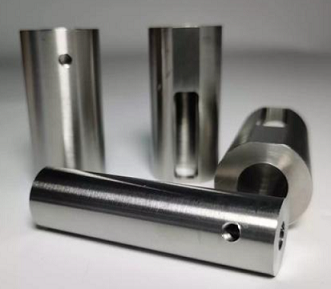
The following are the main application areas for pure molybdenum rods:
1. As Raw Material for Further Processing (Primary Use)
This constitutes the most fundamental and highest-volume application of pure molybdenum rods. Acting as an intermediate product, the rods are further processed into various other forms of molybdenum products.
Drawn Molybdenum Wire: This is the most classic application of molybdenum rods. Through rotary swaging and a series of drawing dies, the molybdenum rods are gradually drawn into molybdenum wires of various diameters.
Filaments and support wires for incandescent and halogen lamps; heating elements for high-temperature electric furnaces; electrode wires for wire-cut electrical discharge machining (EDM); grids for electronic vacuum tubes, etc.
Rolled Molybdenum Plates/Sheets: Molybdenum rods are processed—typically through forging and rolling—to produce plates or sheets.
Used for hot zone components in sapphire crystal growth furnaces (heaters, heat shields), heating elements in vacuum furnaces, sintering boats/trays, sputtering targets in the coating industry, etc.
2. Direct Use as High-Temperature Structural Components
Leveraging their high-temperature strength and creep resistance, machined molybdenum rods are used directly as support, connecting, or load-bearing components in high-temperature environments.
Sintering Support/Connecting Rods: In high-temperature sintering furnaces (e.g., for sintering tungsten alloys, cemented carbides, or magnetic materials), these rods are used to suspend or support the workpieces being sintered. Since molybdenum rods resist deformation at high temperatures, they help ensure the dimensional accuracy of the finished products.
High-Temperature Furnace Components: Used as connecting electrodes for heating elements, support rods for radiation shields, etc.
Glass Melting Industry: Used as electrodes (for electric boosting) and stirring rods in glass melting furnaces, owing to their resistance to corrosion by most molten glass compositions.
3. As Electrodes for Welding and Melting Processes
Utilizing their high melting point, excellent electrical conductivity, and corrosion resistance.
Vacuum Arc Remelting (VAR) / Electroslag Remelting (ESR) Electrodes: Used for melting reactive metals—such as titanium, zirconium, and tantalum—and their respective alloys. Molybdenum electrodes do not contaminate these high-purity metals at elevated temperatures.
TIG Welding Electrodes: In specific scenarios—such as when welding copper—molybdenum electrodes outperform traditional tungsten electrodes (as they are less prone to alloying with copper).
4. Manufacturing of Fasteners and Standard Parts
In high-temperature vacuum environments, where ordinary steel would soften, rust, or volatilize, molybdenum emerges as an indispensable material.
Screws, Nuts, and Bolts: Used in the assembly of high-temperature furnaces operating under vacuum or inert atmospheres, ensuring the structural stability and cleanliness of the equipment under extreme conditions.
5. Other Specialized Applications
Thermal Spraying Materials: Molybdenum rods serve as electrode materials for thermal spraying processes (e.g., arc spraying), facilitating the deposition of wear-resistant and corrosion-resistant molybdenum coatings onto workpiece surfaces.
Scientific Research: Used in laboratory settings for the fabrication of apparatuses and components required for various high-temperature experiments.
Semiconductor Industry: High-purity molybdenum rods are utilized in the manufacture of various consumables and components essential to semiconductor processing.
Application Summary Table
| Application Field | Key Properties Utilized | Specific Application Forms |
| Raw Material for Deep Processing | Excellent Plastic Workability | Billets for drawing into molybdenum wire or rolling into molybdenum plates/sheets |
| High-Temperature Structural Components | High-Temperature Strength, Creep Resistance, Corrosion Resistance | Sintering support rods, furnace structural supports, glass stirring rods |
| Electrode Materials | High Melting Point, Electrical Conductivity, Corrosion Resistance | Vacuum melting electrodes, specialized welding electrodes |
| High-Temperature Fasteners | High-Temperature Strength, Vacuum Stability | Screws, nuts, and bolts for high-temperature vacuum furnaces |
| Thermal Spraying & Coating | High Melting Point, Consumable Nature | Electrodes for thermal spraying |
Note:
In many applications involving extreme temperatures (>1700°C) and requiring a long service life, doped molybdenum (e.g., potassium-doped MK alloy) or molybdenum alloys (e.g., TZM alloy) offer distinct advantages over pure molybdenum rods, owing to their higher recrystallization temperatures and superior resistance to high-temperature creep. The advantages of pure molybdenum rods lie in their excellent machinability, as well as their comprehensive performance and cost-effectiveness within slightly lower temperature ranges.

Post time: Mar-24-2026