

In manufacturing, CNC machining of stainless steel is a crucial technology. Its high precision and efficiency have led to its widespread application across numerous fields. Today, we’ll provide a comprehensive overview of CNC machining for stainless steel.
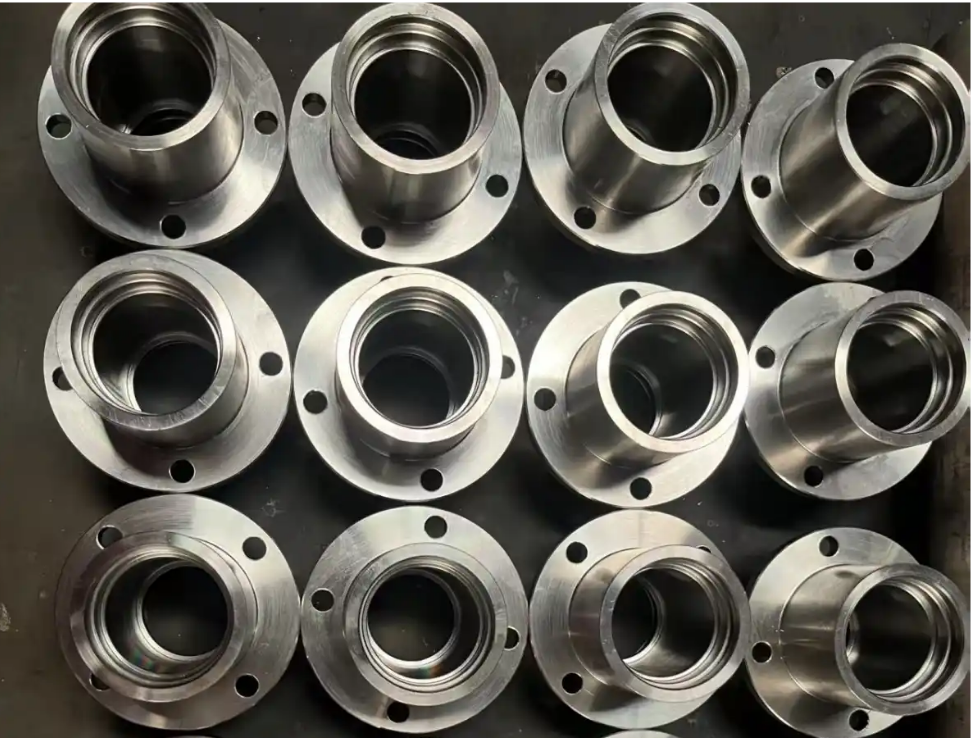
I. Principles of Stainless Steel CNC Machining
Stainless steel CNC machining utilizes computer numerical control technology to control a machine tool to precisely machine stainless steel materials using pre-programmed instructions. This method allows for the machining of complex shapes while ensuring high precision and consistency. Compared to traditional machining methods, CNC machining offers a higher degree of automation, reducing human error and thus improving processing quality and efficiency.
II. Applicable Scenarios
1. Industrial Equipment Manufacturing: In industrial equipment manufacturing, stainless steel CNC machining can be used to manufacture various components, such as mechanical parts and molds. These components typically require high precision and strength, and CNC machining meets these requirements, ensuring the normal operation of the equipment.
2. Electronic Equipment: Electronic equipment demands high precision and quality from its components. Stainless steel CNC machining can manufacture precision electronic casings, connectors, etc., ensuring the stability and reliability of electronic equipment. 3. Medical Devices: The safety and precision of medical devices are paramount. Stainless steel CNC machining can manufacture device components that meet medical standards, such as surgical instruments and implants, providing reliable support for the medical industry.
III. Differences in Machining Methods
1. Milling: Milling is a common method in stainless steel CNC machining. It uses a rotating cutting tool to cut the stainless steel material, producing various shapes of planes, curved surfaces, and grooves. Milling offers high precision and is suitable for machining complex parts.
2. Turning: Turning is mainly used for machining rotating parts, such as shafts and discs. It achieves cutting of the stainless steel material through the linear motion of the cutting tool and the rotational motion of the workpiece. Turning is highly efficient and ensures dimensional accuracy and surface quality of the parts.
3. Drilling: Drilling is used to machine holes in stainless steel. Different diameter drill bits can be selected to achieve holes of different sizes. The precision and quality of the drilled holes directly affect subsequent assembly and use.
IV. Key Selection Points
1. Machining Accuracy: Accuracy is a crucial indicator of stainless steel CNC machining quality. When selecting machining services, pay attention to the accuracy of the machining equipment and the machining process to ensure it meets your needs.
2. Machining Capacity: Different machining manufacturers have different processing capabilities, including the range of machining dimensions and the types of materials they can process. Choose a suitable manufacturer based on your product requirements.
3. Price: Price is also a factor to consider when purchasing. Choose a machining service with a high cost-performance ratio while ensuring machining quality.
V. Precautions
1. Material Selection: Different stainless steel materials have different properties and machining difficulties. When selecting materials, choose according to the product’s usage requirements and machining process.
2. Machining Process: A reasonable machining process can improve processing efficiency and quality. Before machining, communicate the machining process with the machining manufacturer to ensure a smooth process.
3. Quality Inspection: After machining, conduct strict quality inspection on the product to ensure it meets requirements.
If you have any further questions or experience regarding stainless steel CNC machining, welcome to join us in exploring this technology further.
Post time: Apr-28-2026