

Tungsten carbide, or WC, also known as “Widia,” derived from the German word “wie diamant” (as in diamond), is one of the hardest carbon-based compounds. It is typically gray in color. Tungsten carbide powder can be sintered and pressed into jewelry, cutting tools, engineering machinery parts, or used as a special coating for various high-demand components. So, what is tungsten carbide? What are its properties, and how hard is it? What are the advantages and disadvantages of tungsten carbide coating? Below is a detailed explanation of the basic knowledge of tungsten carbide materials.
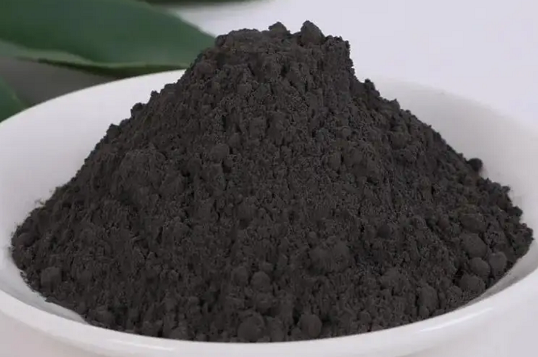
What is Tungsten Carbide?
Tungsten carbide is the name used for a wide range of alloys composed of actual tungsten carbide and a metal binder, as well as other added carbides (i.e., TiC and TaC). The two most common metal binders are cobalt and nickel. The metal binder affects hardness, toughness, and chemical compatibility. Depending on the desired properties, the metal binder content can vary between 3% and 20% in the finished material.
Tungsten carbide is a very versatile material that can be alloyed to achieve a wide range of properties. Its exceptional hardness allows it to form and cut almost any other material, and its high-temperature resistance enables it to operate at high speeds, maximizing its value as a cutting tool.
For this reason, it is increasingly used in various steel alloys, from the most conventional to the most corrosion-resistant, due to their properties, in addition to materials with very high hardness. Examples include manganese steel or tool steel.
Another application of tungsten carbide is in coatings for components subjected to continuous friction and requiring high wear resistance, such as bearings or rotating elements. It is applied in the form of coatings using thermal projection systems (e.g., HVOF).
What is the hardness of tungsten carbide?
As one of the hardest materials, according to the Mohs hardness scale, tungsten carbide has a hardness between 8.5 and 9.5, surpassed only by a very few materials such as diamond. This material is born from a combination of carbon and tungsten, with a small amount of cobalt incorporated, and through sintering, forms what is known as CERMET (CERamic METal), considered one of the most durable and robust compounds in the industry.
Tungsten carbide is produced by sintering metal powder at 1000 atmospheres of pressure, using cobalt powder as a binder; cobalt also has high hardness. Tungsten carbide is extremely hard and is commonly used to make cutting tools capable of cutting stainless steel, drill bits, or armor-piercing projectile cores. Its Vickers hardness can reach as high as 1800 HV, making it the hardest material at the time. The hardness of tungsten carbide is roughly equivalent to that of sapphire.
Tungsten carbide provides genuine hardness, unlike the high hardness achieved through surface hardening techniques in titanium alloys or other metals. Tungsten carbide has the same hardness throughout. Furthermore, due to its extremely high hardness, it produces exceptional brightness after polishing.
What are the uses of tungsten carbide?
Compared to tool steel, tungsten carbide has excellent hardness characteristics; compared to technical ceramics, it has excellent toughness, thus it is used in many industries. Considering these superior properties, tungsten carbide is most often associated with tools used in metal cutting applications such as sawing, milling, and turning. Many people are surprised to find that tungsten carbide is also frequently used in fluid distribution or flow applications due to its excellent service life when exposed to corrosive abrasion. The improved wear resistance of tungsten carbide extends the service life of components such as nozzles in industries like waterjet cutting, oil and gas, and electronics.
Advantages and Disadvantages of Tungsten Carbide Spraying
Advantages of Tungsten Carbide Spraying: Good thermal stability, good wear resistance, excellent impact resistance, and good processability.
Disadvantages of Tungsten Carbide Spraying: High cost, demanding application environment requirements.
Advantages of Supersonic Spraying of Tungsten Carbide Coatings:
1. Higher speed. Supersonic spraying of tungsten carbide utilizes approximately five times the speed of sound, resulting in better processing effects and high efficiency. During spraying, the powder velocity can be rapidly increased, effectively protecting the density and strength of the coating, ensuring excellent performance.
2. Stronger adhesion. Because of the unique process of supersonic tungsten carbide spraying, the coating is highly dense, effectively reducing porosity and ensuring superior surface performance. Furthermore, this processing method results in very high bonding strength, leading to higher quality products and making it a more worthwhile choice.
3. No workpiece deformation. Supersonic tungsten carbide spraying effectively ensures that the workpiece does not deform during high-speed operation, guaranteeing its practicality.
Post time: Jun-11-2026