

Tungsten carbide is a highly versatile and valuable material in the aerospace, energy, and heavy industry sectors, renowned for its high strength, durability, and wear resistance. With tungsten prices surging by over 450% between 2025 and 2026, the recycling of tungsten carbide scrap has emerged as a significant opportunity for companies to cut costs, improve efficiency, and generate additional revenue.
What Is Tungsten Carbide?
Tungsten carbide is a composite material made of tungsten and carbon, also known as cemented carbide or “hard metal.” Its primary constituent is tungsten carbide (WC), which possesses a hardness nearly comparable to that of diamond. To meet specific industrial requirements, other transition metal carbides—such as TiC, TaC, Cr3C2, and/or Mo2C—are often added to the hard metal matrix.
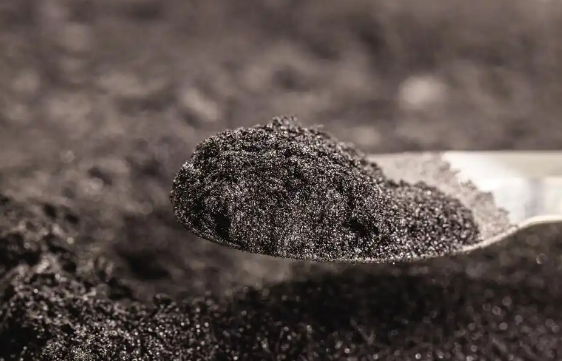
These brittle, refractory carbide phases are combined with a tough binder metal (typically cobalt, though sometimes nickel or other iron-group metals) to form cemented carbide. Cemented carbide is prized for its high strength, extreme hardness, and balanced toughness, making it an ideal material for tools and components used in metal cutting, rock drilling, and wear-resistant applications.
It serves as a critical material across various industries for manufacturing cutting tools, drilling equipment, and wear-resistant parts. As these tools wear out, they can be recycled, turning tungsten carbide scrap into a source of additional revenue.
Against the backdrop of skyrocketing tungsten prices, the value of tungsten carbide scrap has reached historic highs. Companies possessing significant quantities of tungsten carbide scrap can sell these materials to recyclers, who then process them for use in manufacturing.
Carbide Scrap Prices and Market Trends (2025–2026)
The global tungsten market experienced a historic price surge between 2025 and 2026. Prices for tungsten carbide scrap are influenced by various factors—such as tungsten demand, production rates, and the supply of recycled material—leading to significant market volatility. Currently, the price of tungsten carbide scrap depends on purity and market conditions; businesses must closely monitor real-time prices to ensure they secure the best value.
Latest Price Data (March 2026):
Tungsten Prices (per kg): The price of tungsten powder has surged to 2,160 RMB/kg, while the price of ammonium paratungstate (APT) has reached 1.36 million RMB/tonne. Prices typically vary based on purity and market demand.
Tungsten Carbide Scrap Value: The price of tungsten carbide powder has reached 2,100 RMB/kg, a 102% increase since early 2025. Prices for waste tungsten alloy inserts range from 1,080 to 1,300 RMB/kg (approximately 1.08–1.3 RMB/g); the recycling value of a single standard CN12 insert (weighing 8–9g) easily exceeds 10 RMB.
Market Drivers:
Tungsten scrap prices are highly volatile, driven primarily by global supply and demand dynamics. Tungsten prices rose by 220% throughout 2025 and have continued to climb in 2026. Factors such as geopolitical issues, mineral production levels, and industrial demand for tungsten-based products significantly influence price trends.
Core Drivers:
Supply-Side “Triple Constraints”: China’s tungsten mining quota for 2025 was reduced to 58,000 tonnes (a 6.45% year-on-year drop), with a further 8% reduction in the 2026 quota; export controls were implemented in 2025 on 25 items, including ammonium paratungstate; and domestic high-grade tungsten ore reserves are nearing depletion, with the average grade of raw ore falling to 0.28%.
Demand-Side “Convergence of New and Traditional Drivers”: The photovoltaic revolution has driven the penetration rate of tungsten-wire diamond saws from 20% to 80%; demand for semiconductor PCB drill bits and AI server cutting tools is growing at a rate exceeding 40%; and tungsten-core armor-piercing rounds and missile engine nozzles remain irreplaceable in military applications.
Panic Buying: Stakeholders across the supply chain are hoarding stock and withholding sales, while downstream buyers are overstocking, further exacerbating the shortage of spot supplies. Profiting from Carbide Recycling
Amidst the current surge in tungsten prices, efficient tungsten carbide recycling helps industries such as aerospace and energy offset costs by utilizing scrap metal that would otherwise go to waste. Proper sorting, processing, and sale of tungsten carbide scrap ensure that businesses maximize the value realized from recyclers.
Key Factors in Recycling:
Purity: Cemented carbide typically contains 40% to 95% tungsten; the higher the purity of the scrap, the higher the price. Fewer impurities mean greater scrap value.
Shape: Larger pieces of scrap—such as carbide inserts, shaped components, or large cutting tools—are easier to recycle and command higher prices than smaller or heavily worn scrap.
Quantity: Large volumes of carbide scrap are more attractive to recyclers, often resulting in better pricing and fewer logistical challenges.
A Calculation for Machining Shop Owners: If a shop recovers 50 kg of tungsten scrap per month—calculated at 1,000 RMB/kg—that represents a net profit of 50,000 RMB.
Selling Tungsten Carbide Scrap: Where and How?
Businesses often ask, “Where can I sell tungsten carbide scrap nearby?” Many metal recycling facilities specialize in tungsten carbide scrap and offer convenient drop-off or on-site pickup services. These companies can efficiently process large quantities and pay competitive rates based on current market prices for tungsten carbide scrap.
For businesses engaged in heavy machining, cutting, or drilling, recycling offers significant long-term cost reductions. Proper scrap management lowers the cost per unit weight of tungsten, making it a crucial consideration for any company aiming to improve both financial and environmental performance.
What is the Price of Tungsten Carbide Scrap in 2026?
As of today (March 2026), tungsten carbide scrap prices remain robust and at historic highs, driven by a combination of steady industrial demand and tight supply. Current prices are particularly attractive for businesses that regularly discard tungsten carbide tools or components. Common Forms of Scrap Cemented Carbide and Current Prices:
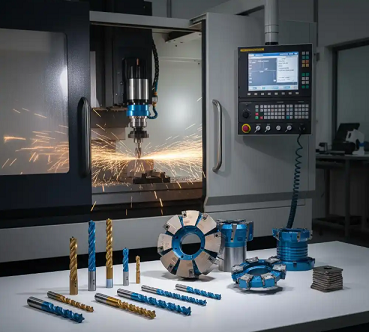
Cemented Carbide Insert Scrap: Commonly used in machining and cutting tools, these are among the most common forms of tungsten carbide scrap. With a recovery price of 1,080–1,300 RMB/kg, they can generate significant returns.
Tungsten Carbide Scrap: This category encompasses any worn-out or discarded tools, equipment, or parts containing tungsten carbide.
Pricing by the Kilogram: Selling scrap carbide by the kilogram is the standard valuation method. Prices are quoted at 1,320 RMB/kg for tungsten rod scrap and 1,300 RMB/kg for tungsten drill bit scrap, enabling businesses to effectively monetize discarded tools and equipment.
Price Trend Outlook:
Short-term High-level Volatility: Profit-taking may trigger fluctuations, but low inventories and rigid demand limit the downside.
Bullish Medium-to-Long-term Outlook:
Persistent Supply Constraints: Tightened mining quotas in China and slow capacity expansion overseas mean relief is unlikely within 3–5 years.
Clear Growth in Emerging Demand: Sectors such as space-based photovoltaics, commercial aerospace, and AI computing power will drive demand reaching the tens of thousands of tons.
Geopolitical Rivalry Exacerbates Scarcity: Both China and the US have designated tungsten a “critical mineral,” highlighting the trend of weaponizing resources.
What Factors Affect the Value of Tungsten Carbide Scrap?
When selling tungsten carbide scrap, businesses can secure competitive prices based on the quantity and quality of the material. The value ultimately depends on various market factors, including:
Tungsten Prices: Global tungsten prices (per kilogram) influence the overall value of tungsten scrap. By 2026, tungsten powder prices had risen by 100% compared to the start of the year.
Scrap Purity: The quality of the tungsten carbide within the scrap plays a crucial role.
Recycling Facilities: Not all recyclers offer the same rates; therefore, comparing quotes from multiple facilities is essential.
In 2026, tungsten carbide scrap prices remain competitive, with per-kilogram returns for businesses determined by the factors mentioned above. Keeping a close eye on current prices helps businesses formulate sound strategies for selling their scrap. Summary:
The historic surge in tungsten carbide prices during 2025–2026 has turned scrap recycling into a profit opportunity that businesses cannot afford to overlook. From the value of a single scrap insert (10 yuan) to generating 50,000 yuan in profit by recycling 50 kilograms per month, tungsten carbide scrap recovery is emerging as a key strategy for manufacturers to cut costs and boost efficiency.
For companies in sectors such as machining and mold manufacturing, effective scrap management and the selection of compliant recycling channels not only generate substantial returns but also align with sustainability goals—achieving a win-win for both economic and social outcomes.
Focus on tungsten carbide scrap recycling, seize market opportunities, and turn waste into wealth.
Post time: Jun-28-2026