

Tungsten-nickel-iron (WNiFe) is an alloy based on tungsten (W) with the addition of nickel (Ni) and iron (Fe), falling under the category of high-density specialty alloys. Its core characteristics include high density (typically 16–19 g/cm³), high hardness, and excellent “red hardness” (the ability to retain hardness at high temperatures), alongside good corrosion resistance and machinability. Because the composition ratios can be adjusted—a common formulation being 95% W, 3% Ni, and 2% Fe—these materials are widely used in sectors with demanding performance requirements, such as sputtering targets for semiconductor manufacturing, aerospace components, and radiation shielding in the nuclear industry.
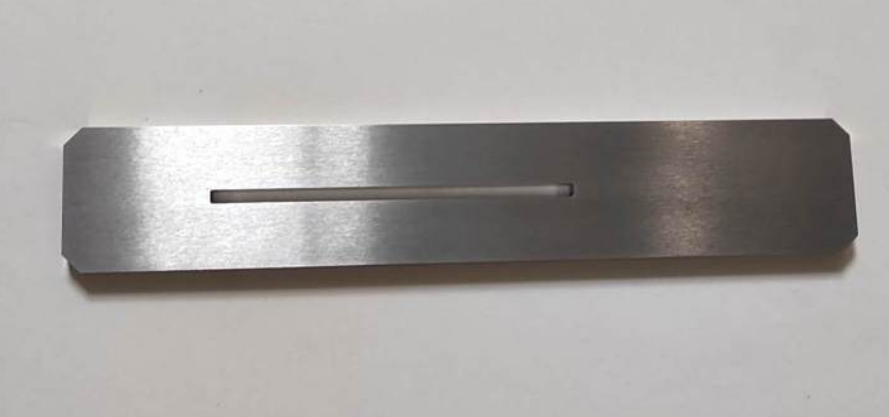
From a technical perspective, the high density of tungsten-nickel-iron stems from the high atomic weight of tungsten (atomic number 74), while the inclusion of nickel and iron serves to improve the alloy’s toughness and reduce its brittleness. In semiconductor sputtering processes, for instance, high-purity tungsten-nickel-iron targets must meet a purity threshold of over 99.95% to prevent impurities from compromising thin-film quality. A uniform microstructure is achieved through vacuum melting and hot isostatic pressing (HIP), ensuring that the target surface remains resistant to cracking or flaking during the sputtering process. Furthermore, the alloy’s red hardness allows it to maintain its cutting performance even at temperatures exceeding 500°C, making it suitable for the production of heavy-duty molds and wear-resistant components.
In practical applications, the unique nature of tungsten-nickel-iron is demonstrated by its adaptability to extreme conditions. In nuclear reactors, its high density and radiation resistance provide effective shielding against neutron flux; in aerospace, its high density helps in adjusting the center of gravity of aircraft; and in precision machining, its wear resistance extends the service life of tools. It is worth noting that processing this material requires specialized equipment—such as diamond-tipped cutting tools—and it must be transported in vacuum-sealed packaging to prevent oxidation; these requirements are directly linked to its specific physical and chemical properties.
Post time: Nov-16-2026