

Superior Characteristics of Tungsten-Nickel-Copper Alloys
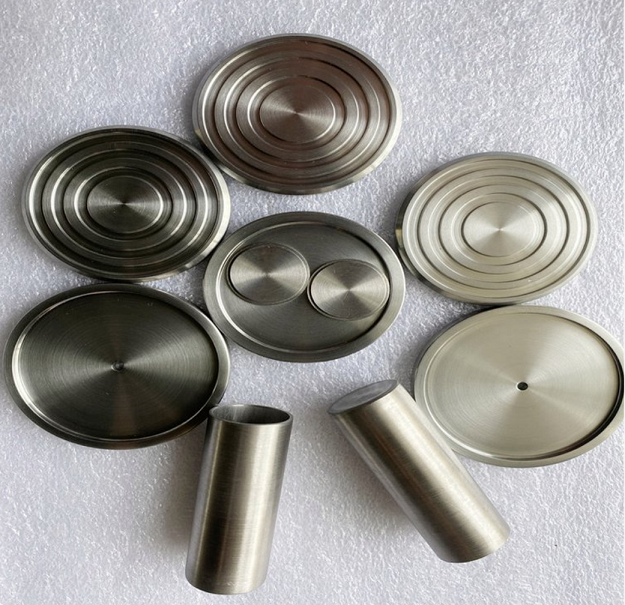
Material Composition and Environmental Features
Tungsten-nickel-copper (W-Ni-Cu) alloy—a type of tungsten-based high-density alloy—is an innovative material used for medical X-ray shielding. It is characterized by being lead-free, environmentally friendly, and non-magnetic, with a density reaching as high as 18.8 g/cm³. These properties make it exceptionally well-suited for applications in environments sensitive to magnetic interference. In addition to its high density and superior ability to absorb high-energy radiation, the alloy is easy to machine and weld, and possesses a low coefficient of thermal expansion. Composed primarily of tungsten supplemented with nickel and copper—typically in a 3:2 ratio—the alloy offers excellent resistance to magnetic interference, outperforming tungsten-nickel-iron alloys in this regard. Furthermore, its radiation-absorption capacity is outstanding, exceeding that of lead by 30% to 40%. Crucially, the alloy is environmentally friendly and poses no health risks during production, standing in stark contrast to the toxicity associated with lead.
Physical Properties and Application Advantages
Tungsten-nickel-copper alloys feature a high specific gravity, typically ranging from 16.5 to 18.75 g/cm³. The alloy exhibits high mechanical strength, with a tensile strength reaching 700 to 1000 MPa, making it ideal for applications that demand robust structural integrity. It also possesses high thermal conductivity—up to five times that of mold steel—which is highly advantageous for applications requiring efficient heat transfer. Notably, it possesses a relatively low coefficient of thermal expansion—only one-half to one-third that of iron or steel. With a tensile strength reaching 700 to 1000 MPa, combined with this low coefficient of thermal expansion, it offers exceptional performance for relevant applications.
Post time: Nov-13-2026