

Molybdenum, this silvery-white metallic element, not only has wide applications in industry but is also an indispensable trace element for humans and animals. Hard and tough, it is widely distributed in various human tissues, totaling approximately 9 milligrams, with the highest concentrations found in the liver and kidneys. As a transition element, molybdenum can easily change its oxidation state in the body and plays a crucial role in electron transfer during redox reactions. Furthermore, molybdenum is a key component of xanthine oxidase/dehydrogenase, aldehyde oxidase, and sulfite oxidase, further confirming its indispensability in human and animal life activities.
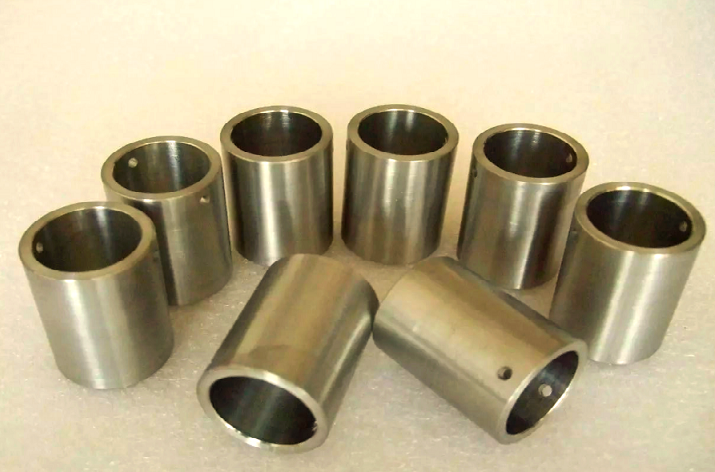
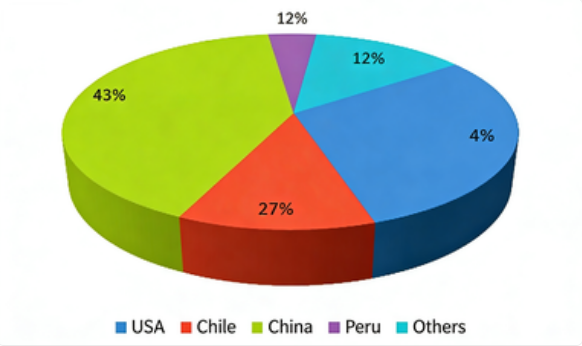
Molybdenum is relatively scarce in the Earth’s crust, comprising only 0.001% of its weight. Global molybdenum reserves are estimated at approximately 15 million tons, with the United States, China, Chile, Russia, and Canada being the main depositing countries. my country stands out in terms of molybdenum reserves, with proven reserves of 1.72 million tons and basic reserves reaching as high as 3.43 million tons, ranking second in the world, only after the United States. It is worth mentioning that Shaanxi, Henan, Jilin, and Liaoning provinces in my country are the concentrated distribution areas of molybdenum mines. Globally, there are six super-large molybdenum mines with metal reserves exceeding 500,000 tons, including the Luanchuan mine in Henan, the Daheishan mine in Jilin, and the Jinduicheng mine in Shaanxi.
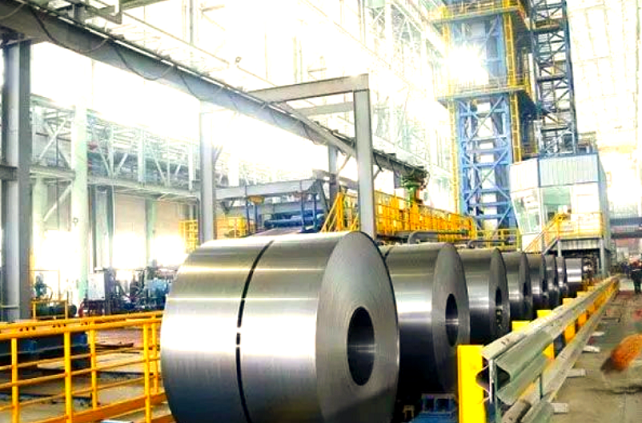
Molybdenum plays a crucial role in the steel industry, and its application is central. As an alloying element in steel, molybdenum effectively enhances the strength of steel, especially at high temperatures, significantly increasing its strength and toughness. Simultaneously, molybdenum enhances the corrosion resistance of steel in acidic and alkaline solutions and liquid metals, improves its wear resistance, and optimizes hardenability, weldability, and heat resistance. In steelmaking, molybdenum is highly favored due to its non-oxidizing properties, and can be used alone or in combination with other alloying elements. With the continuous growth in the production of special steel, molybdenum consumption has also shown a regular upward trend, currently stabilizing at approximately 0.201 kg per ton of special steel.
The skillful combination of molybdenum with other alloying elements such as chromium, nickel, manganese, and silicon can create a wide variety of stainless steels, tool steels, high-speed steels, and alloy steels. Among these steels, stainless steel stands out for its excellent corrosion resistance, making it particularly suitable for corrosion-resistant pipes used in oil extraction. Of particular note is a stainless steel containing approximately 6% molybdenum, whose performance rivals that of titanium, making it widely applicable in seawater desalination plants, ocean-going vessels, and offshore oil and gas pipelines. Furthermore, this type of stainless steel is commonly found in the manufacture of automobile bodies and wastewater treatment equipment. Compared to traditional tungsten tool steel, molybdenum-containing tool steel not only doubles efficiency but also excels in performance, cost, and weight. Molybdenum-containing alloy steels are widely used in the manufacture of machine tool structural components, industrial vehicles, and bulldozing equipment. Notably, molybdenum-containing alloy steels, after rolling, possess a fine pearlitic structure and are a key material in railway and bridge construction. Meanwhile, molybdenum-containing gray cast iron, due to its excellent wear resistance, is frequently used in the manufacture of brake wheels and brake pads for heavy vehicles.
Molybdenum, a crucial micronutrient for plant growth, accounts for approximately 0.5 ppm of plant dry matter, highlighting its indispensable and irreplaceable role. In recent years, ammonium molybdate has been widely adopted domestically and internationally as a micronutrient fertilizer to improve the yield and quality of legumes, forage crops, and other crops. This fertilizer requires small amounts, yields significant results, and is inexpensive, making it a key to increasing agricultural income, particularly for soybean harvests.
Molybdenum, due to its excellent electrical conductivity and high-temperature resistance, especially its high similarity to the coefficient of thermal expansion of glass, is widely used in various fields. In the lighting industry, molybdenum is used to manufacture key components in light bulbs, such as spiral filaments, leads, hooks, supports, and side rods. It also plays a vital role as a support material for the gate and anode in electron tubes. In the integrated circuit field, molybdenum, due to its unique properties, is used as a gate in metal-oxide-semiconductor systems, effectively eliminating the “bimetallic effect.” Furthermore, ultra-thin seamless molybdenum tubes (only about 15 μm thick) are widely used in the manufacture of anode supports for high-definition television picture tubes, with up to 1125 image scan lines, twice that of ordinary televisions. Meanwhile, molybdenum wafers are also used as heat shields for power transistors, as well as substrates and heat sinks for silicon rectifiers, demonstrating their wide applicability.
With the booming development of the mold industry, electrical discharge machining (EDM) technology has been widely applied. Molybdenum wire, an ideal electrode wire for EDM machines, can easily cut various types of steel and cemented carbide, even machining extremely complex parts. Its stable EDM characteristics significantly improve the precision of molds.
Furthermore, molybdenum alloys with other metals such as copper and silver exhibit ablation resistance and excellent electrical conductivity, making them suitable for manufacturing contacts for air switches, high-voltage switches, and contactors. Molybdenum-copper composite films, with their unique microstructure, encapsulate a large number of discrete molybdenum particles within a continuous copper matrix, exhibiting not only excellent thermal and electrical conductivity through thickness but also serving as a metal core in multilayer circuit boards.
The high purity, high temperature resistance, and low vapor pressure of molybdenum make it an ideal heating element and structural material for high-temperature furnaces. Meanwhile, molybdenum and its alloys are also widely used in various fields such as hot isostatic pressing furnace frames, heat shields, sintering and vapor coating boats, SmCo magnets and uranium dioxide sintered pads, as well as thermocouples and their protective sheaths.
Molybdenum has a high melting point of 2620℃ and possesses excellent high-temperature performance and corrosion resistance. Its strong bonding with steel makes molybdenum a key thermal spraying material in automotive parts production. This material is widely used to improve the performance of worn parts such as piston rings, synchronizer rings, and shift forks, and can also be used to repair worn crankshafts, rolls, shafts, and other mechanical parts. Statistics show that the European market sells up to 1000 tons of sprayed molybdenum wire annually, the United States consumes approximately 600 tons annually, and Japan consumes 30-40 tons. Although my country’s current annual sales of sprayed molybdenum wire are less than 30 tons, with the booming development of the automotive industry, the demand for thermal spraying of automotive gears and other components will increase significantly, thereby driving a rapid increase in the sales volume of sprayed molybdenum wire.
Furthermore, with the continued prosperity of my country’s economy, the domestic market demand for molybdenum, as an indispensable strategic resource, is growing rapidly. This market shift has brought tremendous development opportunities to the molybdenum industry, which is expected to experience sustained and rapid growth.
Post time: Apr-08-2026