

Molybdenum Rod Surface Characteristics
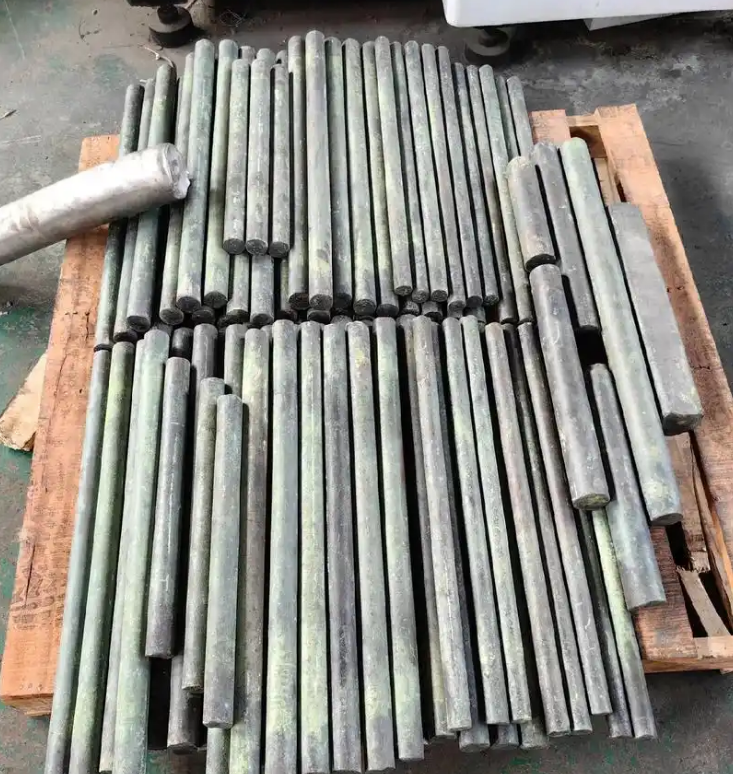
1. Sintered molybdenum rods have a silvery-gray metallic luster.
2. Forged molybdenum rods have a layer of oxide on their surface, giving them a black appearance.
3. Polished molybdenum rods have a silvery-gray metallic luster.
Why is Activation Treatment Necessary for Molybdenum Parts Before Plating?
I. Removal of Oxide Film and Dirt
During storage or processing, molybdenum parts easily develop an oxide film on their surface, and various types of dirt may adhere to it. These impurities hinder the good bonding between subsequent electroplating or electroless plating and the molybdenum substrate, affecting the plating quality. Activation treatment effectively removes the oxide film and dirt from the molybdenum surface, providing a clean and smooth surface base for subsequent plating.
II. Achieving Uniform Activation
After activation treatment, the surface of the molybdenum part will be in a uniformly activated state. During subsequent electroplating or electroless plating, the plating layer can be deposited evenly on the surface of the molybdenum part, avoiding localized areas of excessively thick or thin plating, ensuring the quality and performance of the plating layer.
III. Enhancing Coating Performance
Activation treatment facilitates subsequent electroplating or electroless plating, significantly improving the brightness of the coating and making molybdenum parts more aesthetically pleasing. Simultaneously, it strengthens the adhesion between the coating and the molybdenum part, making the coating more robust, less prone to peeling, and extending the service life of the molybdenum part. Molybdenum-specific activators do not damage the original luster of molybdenum and can even increase brightness, making the molybdenum whiter and brighter, playing a significant role in the activation treatment.
IV. Surface Oxide Removal Methods
1. Chemical Removal Method: Molybdenum products are easily oxidized. For heavy oxide removal, please entrust our company or use strong acids (fluoric acid, nitric acid, hydrochloric acid, etc.). Please take precautions during operation.
During activation treatment, the molybdenum-specific activator can be used undiluted. Operation is carried out between room temperature and 60℃. Immerse the molybdenum part in the activator working solution for 10-20 seconds, rinse with water, and immediately proceed to the next process. Care should be taken to avoid cross-contamination with other chemical components. Molybdenum-specific activators that meet relevant process requirements can serve as application examples of this technology.
2. Physical Removal Method: For mild oxides, use a cleaning agent with added abrasives. Wipe with a soft cloth or sponge, then rinse with warm water.
Please note that washed molybdenum products will lose their metallic luster.
Molybdenum Rod Packaging
Molybdenum rods must be individually packaged in PE pearl cotton material and placed in a suitable wooden crate. Excess space must be filled to prevent damage during transportation due to vibration.
Molybdenum Rod Applications and Uses:
Used in the manufacture of vacuum electronic devices and electric light source components.
Suitable for processing ion-implanted parts.
Used as high-temperature heating elements and high-temperature structural parts.
Used as furnace electrodes in the glass and refractory fiber industries, operating in molten glass at 1300℃ with a long service life.
Used as electrodes in the rare earth industry.
Please contact professional tungsten and molybdenum product manufacturers and suppliers: FOTMA ALLOY
Post time: Mar-06-2026