

**Basic Composition of Tungsten Carbide Coatings**
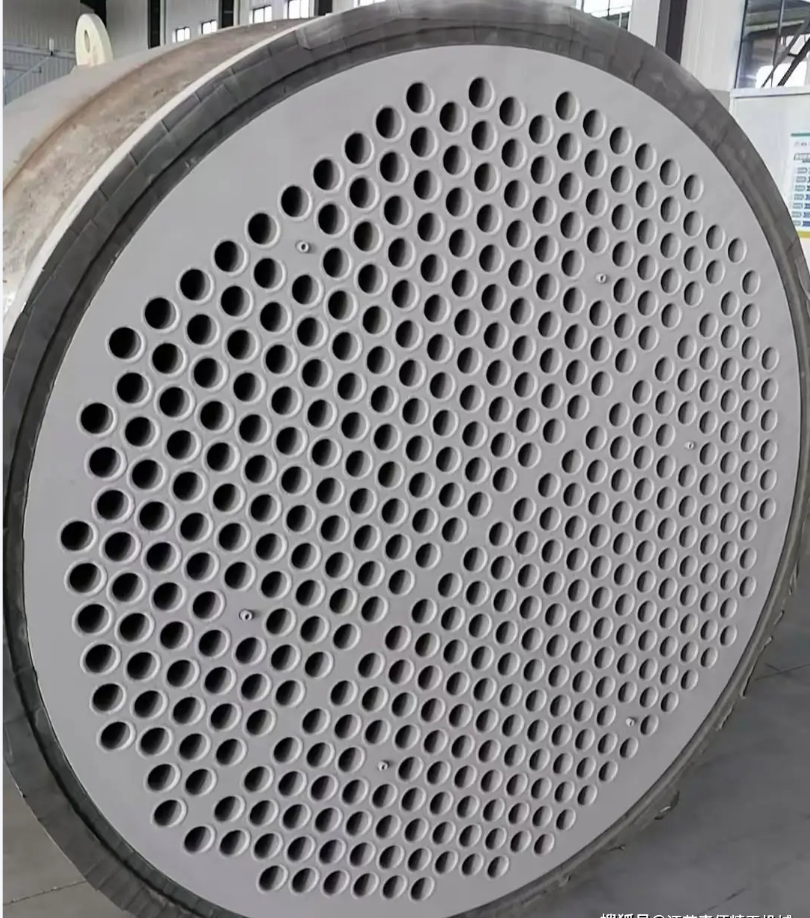
Tungsten carbide coatings are high-hardness protective layers formed by depositing tungsten carbide (WC) onto a substrate surface. Their basic composition can be understood through three aspects: chemical composition, microstructure, and functional properties.
**1. Chemical Composition**
Tungsten carbide is a compound formed by the combination of tungsten (W) and carbon (C) atoms in a 1:1 ratio, with the chemical formula WC. This compound features highly stable chemical bonds, allowing it to maintain chemical stability in high-temperature and harsh chemical environments. Tungsten is a metal element characterized by extremely high density and a very high melting point; the carbide formed by combining carbon with tungsten not only retains tungsten’s high-strength characteristics but also significantly increases the material’s hardness due to the addition of carbon. This makes tungsten carbide a material that combines high hardness with high-temperature stability, making it ideal for producing coatings that require exceptional wear and corrosion resistance.
**2. Microstructure**
The microstructure of tungsten carbide coatings encompasses factors such as grain size, porosity, and coating thickness. These microstructural characteristics directly influence the coating’s performance. Typically, tungsten carbide coatings exhibit a fine, uniform grain structure, which provides high hardness and wear resistance. Coating density is also a critical factor; an ideal tungsten carbide coating should have extremely low porosity to prevent the penetration of corrosive media while enhancing mechanical strength and adhesion.
In industrial applications, optimizing the preparation process allows for the control of grain size and thickness, thereby adjusting the coating’s hardness, toughness, and wear resistance. For instance, tungsten carbide coatings intended for high-temperature applications often require a coarser grain structure to enhance thermal stability, whereas in environments subject to severe wear, finer grains help improve wear resistance.
**3. Functional Properties**
The most prominent functional properties of tungsten carbide coatings are their extreme hardness and excellent wear resistance. Their hardness approaches 9 on the Mohs scale—a level unattainable by many other metal and alloy coatings. Its high hardness enables the tungsten carbide coating to maintain its integrity in environments characterized by high stress and friction, resisting wear and fracture. This characteristic is particularly crucial in sectors such as tool manufacturing, aerospace, and oil and gas.
Furthermore, tungsten carbide coatings exhibit excellent corrosion resistance and high-temperature stability. In chemically corrosive environments, the coating forms a protective oxide layer that inhibits further chemical reactions, thereby shielding the substrate from corrosion. Its high-temperature stability ensures that the coating retains its physical and chemical properties during high-temperature operations without softening or degrading.
4. Adhesion between Coating and Substrate
The performance of a tungsten carbide coating depends not only on its internal structure and composition but also significantly on its adhesion to the substrate. Strong adhesion ensures that the coating does not peel or flake off during use, thereby maintaining its protective function. Adhesion quality is typically determined by the preparation process; for instance, both CVD (Chemical Vapor Deposition) and PVD (Physical Vapor Deposition) methods can produce coatings with high adhesion.
Through chemical bonding or physical interlocking, tungsten carbide coatings adhere firmly to various metal or alloy substrates, imparting the desired high hardness and wear resistance to the surface. This adhesion not only enhances the coating’s durability but also extends the service life of the substrate under extreme operating conditions.
Performance and Characteristics of Tungsten Carbide Coatings
Renowned for their exceptional hardness, wear resistance, corrosion resistance, and high-temperature stability, tungsten carbide coatings are a widely adopted surface engineering technology in industrial applications. To better understand their practical performance, this section examines their properties and characteristics in detail across four key areas: wear resistance, corrosion resistance, high-temperature stability, and mechanical properties.
1. Wear Resistance
1.1 High Hardness of Tungsten Carbide
The wear resistance of tungsten carbide coatings stems from their ultra-high hardness, a property that ensures excellent performance against mechanical wear. With a hardness approaching 9 on the Mohs scale, tungsten carbide is one of the hardest compounds known. Its high hardness enables the tungsten carbide coating to effectively resist wear when in contact with other hard materials, thereby minimizing surface material loss.
1.2 Wear Mechanisms of the Coating
The wear mechanisms associated with tungsten carbide coatings primarily include abrasive wear, adhesive wear, and fatigue wear. In abrasive wear, hard particles or debris slide or roll between two contacting surfaces, causing the coating material to be scratched or cut; the high hardness of tungsten carbide allows it to effectively resist this type of wear. In adhesive wear, coating material may be torn away or transferred when two surfaces move against each other under high pressure; however, the coating’s high hardness and low coefficient of friction significantly mitigate this process. Fatigue wear occurs under repeated mechanical stress, where micro-cracks form on the coating surface and gradually propagate, eventually leading to material spalling.
1.3 Wear Resistance Performance Across Various Applications
Tungsten carbide coatings demonstrate exceptional wear resistance in a wide range of applications. For instance, in cutting tools, these coatings maintain edge sharpness and extend tool service life. In mining and oil drilling equipment, they effectively withstand wear from hard rock and grit, reducing the frequency of equipment maintenance. In the automotive industry, they are applied to engine components to significantly enhance wear resistance and durability. These applications demonstrate that tungsten carbide coatings can maintain their integrity and functionality even in environments subject to extreme wear.
2. Corrosion Resistance
2.1 Stability of Tungsten Carbide in Corrosive Environments
In addition to excellent wear resistance, tungsten carbide coatings exhibit good corrosion resistance, particularly in acidic and alkaline environments. The chemical inertness of tungsten carbide ensures stability in various corrosive media, making it resistant to chemical reactions. This characteristic allows the coating to protect the substrate material from chemical corrosion in many industrial applications, thereby extending the service life of the equipment. 2.2 Resistance to Acidic and Alkaline Conditions
In acidic environments—such as those involving strong acids like sulfuric acid or hydrochloric acid—a dense oxide film forms on the surface of the tungsten carbide coating. This film effectively inhibits further erosion by the acidic medium, thereby protecting the substrate. The coating exhibits similar resilience in alkaline environments; its chemical stability resists erosion by strong alkalis, preventing corrosive damage to the substrate. This exceptional corrosion resistance has led to the widespread use of tungsten carbide coatings in sectors with stringent corrosion-resistance requirements, such as the chemical industry and marine engineering.
2.3 Comparison with Other Corrosion-Resistant Materials
Compared to other corrosion-resistant materials—such as stainless steel and nickel-based alloys—tungsten carbide coatings offer superior hardness and lower corrosion rates. In environments presenting the dual challenges of high wear and severe corrosion, tungsten carbide coatings often provide extended protection, thereby reducing maintenance and replacement costs. For instance, in marine applications, these coatings withstand seawater corrosion over prolonged periods, vastly outperforming traditional metal coatings.
3. High-Temperature Stability
3.1 Physicochemical Changes at High Temperatures
The stability of tungsten carbide coatings in high-temperature environments makes them an ideal choice for high-temperature applications. At elevated temperatures, the chemical structure of tungsten carbide remains stable, undergoing neither decomposition nor phase transformation. This high-temperature stability is evidenced not only by the retention of hardness but also by oxidation resistance. Tungsten carbide forms a stable oxide film at high temperatures; this film effectively prevents further oxidation, thereby protecting both the coating and the substrate.
3.2 Case Studies of High-Temperature Applications
Tungsten carbide coatings are widely used on various types of equipment and components operating in high-temperature environments. For example, when applied to gas turbine blades, the coating resists erosion and oxidation caused by high-temperature combustion gases, thereby extending the service life of the blades. In metal-cutting tools, the coating maintains sharpness under high-temperature cutting conditions, reducing tool wear and the frequency of replacements. Furthermore, in oil drilling operations, tungsten carbide coatings maintain their structural integrity in high-temperature and high-pressure environments, thereby preventing premature equipment failure.
3.3 Factors Affecting High-Temperature Stability
The high-temperature stability of tungsten carbide coatings is influenced by various factors, including coating thickness, microstructure, and substrate properties. Thicker coatings generally provide superior thermal insulation, mitigating the impact of high temperatures on the substrate. Microstructural characteristics—such as grain size and porosity—also influence performance at elevated temperatures. Optimizing these factors can further enhance the high-temperature stability of tungsten carbide coatings to meet the requirements of diverse industrial applications.
4. Mechanical Properties
4.1 Elastic Modulus and Hardness of Tungsten Carbide Coatings
The mechanical properties of tungsten carbide coatings depend largely on their elastic modulus and hardness. Elastic modulus represents a material’s resistance to elastic deformation; tungsten carbide coatings possess a high elastic modulus, enabling them to maintain shape and dimensional stability under high-stress conditions. Hardness refers to a material’s resistance to plastic deformation; the high hardness of tungsten carbide coatings ensures resistance to deformation or wear when in contact with hard materials.
4.2 Impact and Fatigue Performance
The impact performance of tungsten carbide coatings is characterized by their ability to maintain structural integrity under high-impact conditions without spalling or cracking. This is particularly critical in applications involving high-kinetic-energy impacts, such as surface protection for mining equipment and tools. Fatigue performance refers to a material’s ability to resist the initiation and propagation of fatigue cracks under cyclic stress. Tungsten carbide coatings demonstrate excellent fatigue resistance, maintaining their mechanical properties under prolonged cyclic loading and thereby extending their service life.
4.3 Mechanical Property Testing and Analysis
Methods such as nanoindentation, microhardness testing, and fatigue testing are commonly employed to evaluate the mechanical properties of tungsten carbide coatings. Nanoindentation measures elastic modulus and hardness, with results indicating that the hardness of tungsten carbide coatings is significantly higher than that of most metallic coatings. Microhardness testing further confirms the uniformity of hardness distribution within the coating at the microscale. Fatigue testing evaluates the coating’s fatigue life through cyclic stress tests involving repeated loading and unloading; results indicate that tungsten carbide coatings exhibit exceptional durability under high-stress cyclic conditions.
**Application Areas of Tungsten Carbide Coatings**
Thanks to their outstanding physicochemical properties, tungsten carbide coatings are widely used across various industrial sectors. Whether addressing wear resistance needs in extreme environments or stability requirements under high-temperature and high-pressure conditions, tungsten carbide coatings offer reliable solutions. The following section examines the role and impact of tungsten carbide coatings across four key application areas: aerospace, tool manufacturing, oil and gas, and the automotive industry.
**1. Aerospace**
**1.1 Specific Material Requirements in Aerospace**
The aerospace sector imposes extremely rigorous demands on materials. During flight, aircraft and spacecraft must withstand massive temperature fluctuations, high-speed airflow impacts, and severe wear. Furthermore, materials must be lightweight to reduce fuel consumption and enhance vehicle performance. Consequently, wear resistance, corrosion resistance, and high-temperature stability are critical.
**1.2 Examples of Tungsten Carbide Coating Applications in Aerospace**
Applications of tungsten carbide coatings in aerospace primarily focus on turbine blades, gas turbine components, landing gear, and other critical assemblies. Turbine blades are susceptible to thermal fatigue and high-temperature oxidation due to prolonged exposure to high-temperature and high-pressure environments. Tungsten carbide coatings effectively enhance the wear and oxidation resistance of blade surfaces, extending service life and reducing maintenance frequency. Additionally, these coatings are widely applied to aircraft landing gear components—which endure significant friction and impact during takeoff and landing—thereby significantly improving their durability and safety.
**1.3 Future Developments in Aerospace Coating Technology**
As aerospace technology advances, requirements for material performance continue to rise. In the future, tungsten carbide coatings will play a pivotal role in areas such as material lightweighting, high-temperature oxidation resistance, and adaptability to extreme environments. The prospects for tungsten carbide coatings are particularly promising in the development of next-generation hypersonic vehicles and space exploration craft. By combining with other high-performance materials—such as composites and nanomaterials—tungsten carbide coatings will demonstrate even greater potential in meeting the increasingly rigorous technical demands of the aerospace industry.
2. Tool Manufacturing
2.1 Application of Tungsten Carbide Coatings in Cutting Tools
Cutting tools are core equipment in industrial manufacturing, widely used in sectors such as metalworking, automotive manufacturing, aerospace, and electronics. Because these tools operate under conditions of high stress and high speed, their surface materials must possess exceptional hardness and wear resistance. Thanks to their superior hardness and outstanding wear resistance, tungsten carbide coatings have become an ideal choice for cutting tool manufacturing.
2.2 Impact of Coatings on Tool Life
Tool wear is a critical factor affecting machining precision and efficiency. Tungsten carbide coatings can significantly extend the service life of cutting tools, reducing wear and the frequency of tool replacements. The coating’s high hardness allows the tool to maintain its sharpness during cutting and withstand heat generated by friction, thereby preventing edge chipping and dulling. Experimental data shows that cutting tools with tungsten carbide coatings can achieve a service life two to three times longer than uncoated tools, while also improving the surface finish and precision of the machined parts.
2.3 Future Outlook for Coating Technology in Tool Manufacturing
As the manufacturing industry’s demand for high-precision and high-efficiency machining grows, future tool manufacturing will rely increasingly on advanced coating technologies. The application of tungsten carbide coatings is set to expand further, particularly in fields such as ultra-high-speed cutting, dry machining, and micromachining. Future coating technologies will focus on developing nanostructured and multilayer coatings to further enhance wear resistance, heat resistance, and impact toughness. Concurrently, the combined use of tungsten carbide coatings with other hard coating materials will emerge as a key strategy for improving tool performance.
3. Oil and Gas
3.1 Wear-Resistant Applications in Drilling Equipment
Drilling equipment in the oil and gas industry operates in extremely harsh environments, typically facing challenges such as high pressure, high temperatures, and severe wear. Drill bits and drill pipes are the components of drilling equipment most susceptible to wear; due to their exceptional wear resistance, tungsten carbide coatings are widely applied to these critical parts. The application of these coatings significantly extends the service life of drilling equipment while reducing downtime and maintenance costs.
3.2 Corrosion Resistance of Tungsten Carbide in Harsh Environments
In addition to wear resistance, drilling equipment must withstand complex underground chemical environments, such as formation water with high salinity and corrosive gases. Tungsten carbide coatings exhibit excellent chemical stability, resisting erosion by acids, alkalis, and salts, thereby preventing corrosive damage during prolonged operation. The coating’s high-temperature stability also allows it to maintain structural integrity in high-temperature, high-pressure drilling environments, preventing equipment failure under extreme conditions.
3.3 Prospects for Coating Technology in the Oil and Gas Industry
As the depth and complexity of oil and gas extraction increase, the requirements for equipment materials become increasingly stringent. Tungsten carbide coating technology will continue to play a pivotal role in deep-sea drilling, high-pressure gas well operations, and the extraction of unconventional oil and gas resources. Future developments will focus on combining tungsten carbide coatings with other composite materials to meet the performance demands of equipment operating in extreme environments. Furthermore, the development of eco-friendly and repairable coating technologies will further drive the adoption and widespread use of tungsten carbide coatings within the oil and gas industry.
4. Automotive Industry
4.1 Demand for Wear-Resistant Coatings in Automotive Components
With the evolution of the automotive industry—particularly the rise of new energy vehicles and high-performance automobiles—the demand for wear-resistant coatings on automotive components is steadily increasing. Critical components such as engine parts, transmission systems, suspension systems, and braking systems require high-performance wear-resistant coatings to enhance durability and reliability while reducing maintenance costs.
4.2 Application of Tungsten Carbide in Engines and Transmission Systems
In automotive engines and transmission systems, tungsten carbide coatings are primarily applied to components such as piston rings, camshafts, crankshafts, and gears. These components operate under high-load and high-temperature conditions, making them highly susceptible to wear and fatigue failure. The application of tungsten carbide coatings effectively lowers the coefficient of friction, thereby enhancing the wear resistance and service life of these components. Additionally, these coatings improve engine thermal efficiency and reduce fuel consumption and exhaust emissions, playing a significant role in enhancing the vehicle’s environmental performance.
4.3 Future Directions for Automotive Coating Technology
As the automotive industry moves toward intelligence, lightweighting, and electrification, coating technology will continue to play a vital role. Tungsten carbide coatings will remain instrumental in enhancing component performance, extending service life, and reducing energy consumption. The development of nano-coatings, composite coatings, and self-healing coatings will further propel technological progress within the automotive sector. At the same time, the environmental impact of tungsten carbide coating technology will receive greater attention; future coating processes will place increased emphasis on minimizing environmental footprints and fostering the development of green manufacturing.
Post time: Jun-29-2026