

In many areas of industrial manufacturing, tungsten carbide coating is a key technology, and tungsten carbide coating plants are crucial for transforming this technology into actual products. So, how exactly do these plants operate, and what are the unique features of tungsten carbide coatings? Let’s delve into this together.
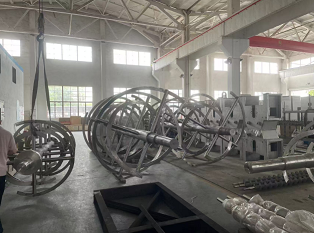
First, let’s understand tungsten carbide coatings. Tungsten carbide is a compound composed of tungsten and carbon, possessing excellent properties such as high hardness, high wear resistance, and high corrosion resistance. In tungsten carbide coating plants, specific processes are used to spray tungsten carbide material onto the surface of workpieces, significantly improving their performance and lifespan.
Diverse Spraying Processes
Common spraying processes in tungsten carbide coating plants include plasma spraying and supersonic flame spraying. Plasma spraying uses a plasma arc to heat tungsten carbide powder to a molten or semi-molten state, then sprays it at high speed onto the workpiece surface to form a coating. The advantages of this process are high coating bonding strength and low porosity, making it adaptable to workpieces of various complex shapes. Supersonic flame spraying uses fuel combustion to generate a high-speed gas flow, accelerating tungsten carbide powder to extremely high speeds before spraying it onto the workpiece surface. Coatings prepared using this process have higher hardness and wear resistance, making them particularly suitable for applications requiring high coating performance.
Excellent Coating Performance.
Workpieces treated with tungsten carbide coatings exhibit significantly increased surface hardness, effectively resisting wear and corrosion. For example, in the machinery manufacturing field, the service life of some key components, such as shafts and molds, can be extended several times or even tens of times after tungsten carbide coating. Furthermore, tungsten carbide coatings possess excellent high-temperature resistance, maintaining stable performance under high-temperature environments, which has led to their widespread application in aerospace, energy, and other fields.
Wide Range of Applications.
Products coated with tungsten carbide are widely used in various industries. In automotive manufacturing, applying tungsten carbide coatings to engine components such as piston rings and valves improves engine performance and reliability. In the petrochemical industry, coating pipes and valves with tungsten carbide effectively prevents corrosion and wear, ensuring safe equipment operation. Furthermore, tungsten carbide coatings play a crucial role in electronics and medical devices.
However, tungsten carbide coating plants face several challenges in their production processes. For example, controlling the coating process requires high-precision equipment and skilled technicians to ensure coating quality and performance. Simultaneously, the quality and cost of tungsten carbide powder also affect coating quality and production costs. Therefore, processing plants need to continuously optimize production processes and improve management to address these challenges.
In conclusion, tungsten carbide coating plants play a vital role in industrial manufacturing. Through advanced coating processes and high-quality tungsten carbide materials, they can provide high-performance coating products to various industries. With continuous technological advancements and rapid industrial development, it is believed that tungsten carbide coating technology will see wider application and deeper development. If you are interested in tungsten carbide coating technology, you may wish to explore further and learn more about its mysteries.
Post time: May-25-2026