

In the field of new energy vehicles (NEVs), tungsten copper alloy heat sinks are gradually emerging as a critical material for high-end thermal management systems. The electric powertrain of NEVs consists of battery modules, motor controllers, and various power electronic components, which generate substantial heat during high-speed operation. Inadequate or uneven heat dissipation not only reduces energy efficiency but also accelerates component aging and even poses safety hazards. Therefore, it is essential to select a heat dissipation material that enables rapid heat conduction while maintaining structural stability. With its unique advantages of high thermal conductivity, low thermal expansion, high strength, and superior reliability, tungsten copper alloy shows great potential for heat dissipation in power modules of new energy vehicles.
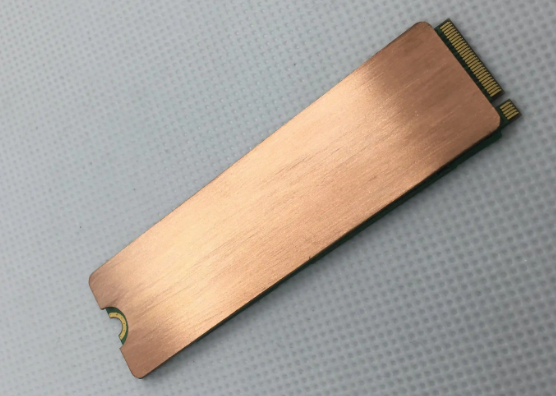
1. High Thermal Conductivity of Tungsten Copper Alloy Heat Sinks: An Optimal Material for High Power Density
Tungsten copper alloy is composed of a high-melting-point tungsten skeleton and a highly thermally conductive copper phase, delivering excellent thermal diffusion performance after composite forming.
Commonly used in NEVs, IGBT, MOSFET, and SiC power modules produce extremely high transient heat flux densities during operation. Tungsten copper heat sinks efficiently transfer heat generated by these devices to the cooling system:
The copper phase provides ultra-high thermal conductivity to rapidly spread heat and eliminate local hot spots;
Ideal for heat dissipation of silicon carbide (SiC) devices with increasing power density;
Helps improve the efficiency of control systems and maintain stable output of motors under high-load conditions.
These properties make tungsten copper heat sinks one of the key materials for managing high heat flux in high-end new energy vehicles.
2. Low Thermal Expansion Coefficient of Tungsten Copper Alloy Heat Sinks: Protecting Semiconductor Package Reliability
Power modules in NEVs are typically packaged with ceramic substrates (e.g., Al₂O₃, AlN, Si₃N₄) and semiconductor chips. Thermal expansion mismatch between different materials can cause solder joint fatigue, chip cracking, or encapsulation delamination under thermal cycling.
The thermal expansion coefficient of tungsten copper alloy can be adjusted through composition control to match that of ceramics and power devices, offering the following benefits:
Maintains stress stability of chip packaging;
Prevents solder joint fracture caused by repeated shear stress;
Extends the packaging life of IGBT/SiC modules;
Ensures reliability under long-term high-power operation.
This is particularly critical for NEVs, which undergo frequent acceleration, deceleration, and intensive thermal cycling.
3. High Strength and Structural Stability of Tungsten Copper Alloy Heat Sinks: Adapting to Complex NEV Operating Conditions
Power modules in NEVs are often installed under the chassis, in the engine compartment, or near the motor, where they experience drastic temperature fluctuations as well as continuous vibration, shock, and oscillation. Conventional aluminum heat sinks are prone to deformation under long-term fatigue loads, whereas tungsten copper alloy offers distinct advantages:
Retains excellent mechanical strength at high temperatures;
Resists fatigue cracking and suits high-vibration environments;
Maintains structural stability under thermal shock and thermal cycling;
Operates reliably for long periods at 200–300°C.
This makes tungsten copper heat sinks particularly suitable for motor control units (MCUs) and drive inverters, where both thermal and vibration loads are severe.
4. Typical Application Scenarios of Tungsten Copper Alloy Heat Sinks
As power density in NEVs continues to rise, tungsten copper heat sinks are widely used in the following key components:
(1) Heat Sink Base for IGBT/SiC Power Modules
Provides a low thermal resistance path;
Improves reliability of chip solder joints;
Supports stable operation under high-frequency and high-voltage conditions.
(2) Heat Sinks for EV Motor Controllers
Rapid heat conduction reduces controller temperature rise;
Minimizes thermal runaway risks;
Sustains high-efficiency power conversion and output.
(3) Heat Sinks for High-Power Battery Management Systems (BMS)
Controls temperature differences across battery modules;
Extends battery service life;
Maintains stable temperature control during fast charging.
(4) High-Power DC/DC Converters and On-Board Chargers (OBC)
Reduces local overheating in compact packaging spaces;
Enhances overall charging efficiency and vehicle safety.
5. Summary of Applications
Overall, the value of tungsten copper alloy heat sinks in new energy vehicles lies in:
Handling high heat flux densities, making them an excellent choice for power electronics cooling;
Exhibiting superior thermal expansion matching for highly reliable packaging;
Featuring high mechanical strength, vibration resistance, and fatigue resistance to adapt to complex automotive working conditions;
Contributing to longer power module life, improved vehicle stability, and enhanced safety.
As new energy vehicles evolve toward high-voltage platforms, silicon carbide power devices, and higher power densities, tungsten copper heat dissipation materials will grow increasingly important and play an increasingly critical role in high-end NEV models.
Post time: May-06-2026