

Carbide cutting tools are renowned for their superior performance, and their current status is undeniable. However, there are many types of carbide, and some readers may only be familiar with the characteristics of one or two, or have limited understanding of the differences between them. Therefore, we have compiled information on 14 types of carbide cutting tools. Through the following classification and introduction, we hope to provide a more comprehensive understanding of the diversity of carbide cutting tools and their application value in different machining tasks. We hope this information will provide readers with useful references when selecting and using carbide cutting tools.
01 Tungsten-Cobalt Carbide (Tungsten Steel) Cutting Tools: A Comprehensive Guide to Machining Powerful Tools
Tools made of WC-Co tungsten-cobalt carbide occupy an important position in the field of machining. They can easily handle various materials, including ordinary steel, stainless steel, cast iron, non-ferrous metals (such as copper, aluminum, and brass), alloy steel, tool steel, and even high-hardness materials (such as hardened steel) and other hard, high-strength materials.
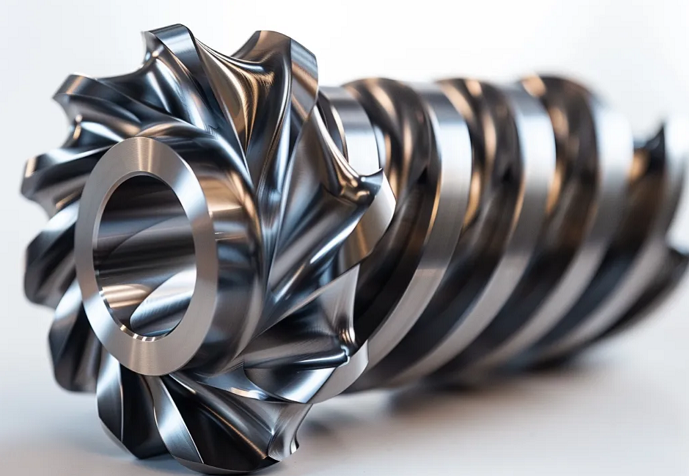
I. Material Characteristics
High Hardness: Tungsten-cobalt cemented carbide tools possess extremely high hardness, ensuring the sharpness and durability of the cutting edge during machining.
Superior Toughness: This alloy not only has high hardness but also good toughness, capable of withstanding significant cutting forces and impacts, reducing the risk of tool breakage.
Excellent Wear Resistance: Its superior wear resistance means the tool can maintain its sharpness for a longer period, reducing replacement frequency and saving costs.
Strong Thermal Stability: Maintains stable mechanical properties even in high-temperature cutting environments, reducing tool wear and deformation.
II. Machining Advantages
High Precision: Tungsten-cobalt cemented carbide tools maintain high precision during machining, making them particularly suitable for manufacturing precision parts.
High Efficiency: Suitable for high-speed cutting, significantly improving machining efficiency and shortening production cycles.
Wide Applicability: Tungsten-cobalt cemented carbide tools exhibit excellent machining performance under various machining conditions and environments.
III. Typical Applications
Automotive Manufacturing: Used in the production of engine parts and transmission gears, ensuring high-precision and high-efficiency machining.
Aerospace: Ensuring product quality and performance in the manufacture of critical components such as aircraft fuselages and engine parts.
Mold Manufacturing: Manufacturing high-precision injection molds and stamping dies to meet the mold industry’s demands for high precision and long lifespan.
Machining: Widely used in the machining of various precision mechanical parts, it is an indispensable tool in the machining industry.
In summary, tungsten-cobalt carbide tools, with their extremely high hardness, superior toughness, excellent wear resistance and thermal stability, as well as high precision, high efficiency and wide applicability, have become the ideal choice for heavy-duty machining tasks. Whether in automotive manufacturing, aerospace, or mold manufacturing, they can demonstrate their superior performance, helping industrial production move towards a more efficient and precise future.
02 TiC-WC-Co Titanium-Tungsten-Cobalt Carbide Tools: Superior Cutting Tools at High Temperatures
Tools made of TiC-WC-Co titanium-tungsten-cobalt carbide, with their unique material properties, exhibit excellent performance when machining high-strength steel, titanium alloys, nickel-based alloys, stainless steel and other difficult-to-machine materials.
I. Material Characteristics
High Hardness and Strength: The TiC-WC-Co alloy combines the high hardness of titanium carbide (TiC) with the high strength of tungsten-cobalt alloy (WC-Co), ensuring the tool maintains a sharp cutting edge and can withstand significant cutting forces and impacts during cutting.
Excellent Wear Resistance: This alloy exhibits excellent wear resistance, maintaining cutting edge sharpness even during prolonged, high-intensity cutting, significantly extending tool life.
Superior Oxidation Resistance: In high-temperature cutting environments, the TiC-WC-Co alloy maintains its mechanical properties, effectively resisting oxidation and reducing tool wear and deformation.
Good Heat Resistance: This alloy maintains stable performance at high temperatures, ensuring excellent cutting performance even under high-temperature machining conditions.
II. Machining Advantages
High-Precision Machining: TiC-WC-Co carbide tools enable high-precision machining, meeting the stringent requirements of precision parts manufacturing.
High-Speed Cutting: This alloy tool is suitable for high-speed cutting, significantly improving machining efficiency and reducing machining time.
High-Temperature Stability: TiC-WC-Co alloy cutting tools maintain stable cutting performance under high-temperature conditions, ensuring machining quality.
III. Typical Applications
Automotive Manufacturing: Used to produce high-strength parts and engine components, ensuring vehicle performance and durability.
Aerospace: Used to manufacture aircraft fuselages, engines, and other critical components, meeting the aerospace industry’s demand for high-precision, high-strength parts.
Medical Devices: Used to manufacture high-precision medical tools and equipment, ensuring the accuracy and safety of medical procedures.
Energy Industry: Used to machine critical parts in oil, gas, and power equipment, such as drill bits and cutting tools, to withstand harsh environments with high temperatures and pressures.
In summary, TiC-WC-Co titanium-tungsten-cobalt cemented carbide cutting tools, with their superior properties such as high hardness, high strength, wear resistance, oxidation resistance, and heat resistance, demonstrate unparalleled advantages in high-temperature machining tasks requiring high strength and durability. They find wide applications in fields such as automotive manufacturing, aerospace, medical devices, and the energy industry.
03 Tantalum-Tungsten-Cobalt Carbide (TaC-WC-Co)
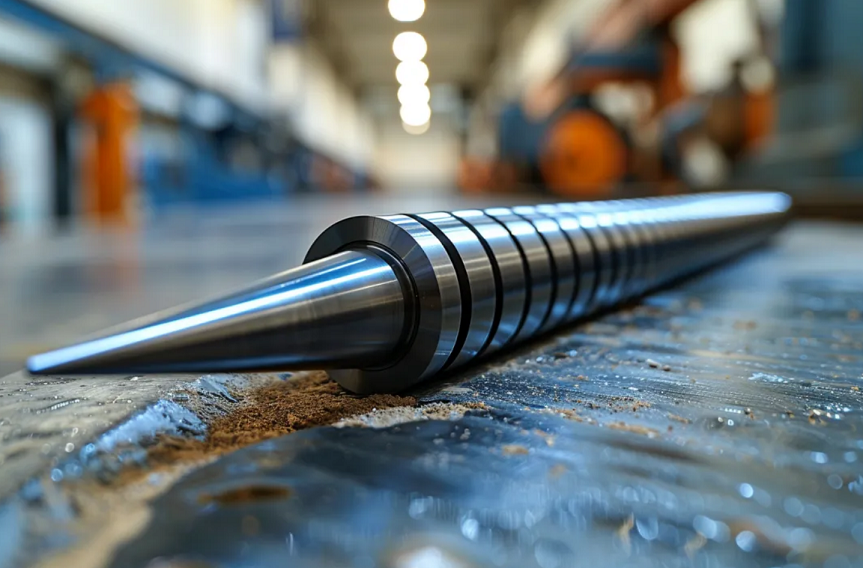
I. Material Characteristics
High Hardness: Tantalum-tungsten-cobalt carbide possesses extremely high hardness due to the very high hardness of its main components, tungsten carbide (WC) and tantalum carbide (TaC). This high hardness ensures that the cutting tool maintains a sharp cutting edge during cutting and effectively resists material wear.
High Toughness: In addition to high hardness, tantalum-tungsten-cobalt carbide also exhibits good toughness. This allows the cutting tool to withstand greater cutting forces and impacts, reducing the risk of breakage.
Wear Resistance: Due to its high hardness and good toughness, tantalum-tungsten-cobalt carbide tools possess excellent wear resistance. This can significantly extend tool life and reduce production costs.
Thermal Stability: Tantalum-tungsten-cobalt carbide maintains its mechanical properties under high-temperature conditions. This makes the cutting tool less prone to wear and deformation during high-temperature cutting, maintaining stable cutting performance.
II. Machining Advantages
High Precision: Tantalum-tungsten-cobalt carbide tools enable high-precision machining and are suitable for manufacturing high-precision parts. This is thanks to its high hardness and excellent cutting performance.
Good heat resistance: This alloy tool can cut under high-temperature conditions, improving machining efficiency. This is especially important for machining high-temperature alloys and difficult-to-machine materials.
Corrosion resistance: In corrosive environments, tantalum-tungsten-cobalt cemented carbides maintain stable performance. This makes the tool less susceptible to corrosion during machining, maintaining its cutting performance and service life.
III. Typical Applications
Aerospace: Tantalum-tungsten-cobalt cemented carbide tools are used to manufacture critical components such as high-temperature parts and turbine blades. These components need to operate in harsh environments with high temperatures and pressures, thus requiring tools with excellent high-temperature resistance and wear resistance.
Electronics Industry: Tantalum-tungsten-cobalt cemented carbide tools play a crucial role in the production of wear-resistant electronic components. They can precisely cut complex shapes and dimensions, meeting the precision machining requirements of electronic components.
Medical Devices: Tantalum-tungsten-cobalt cemented carbide tools are also indispensable in the manufacture of high-strength surgical instruments. These tools need to have good strength and toughness to withstand various complex operations and impacts during surgery.
Energy Industry: In the energy industry, tantalum-tungsten-cobalt (TaC-WC-Co) cemented carbide tools are used to manufacture critical components for nuclear power plant equipment. These components need to operate under extreme conditions, thus requiring tools with extremely high wear resistance and corrosion resistance.
In summary, tantalum-tungsten-cobalt (TaC-WC-Co) cemented carbides, with their high hardness, high toughness, wear resistance, and thermal stability, are widely used in aerospace, electronics, medical devices, and energy industries. They are particularly suitable for precision machining tasks in corrosive environments and under high stress conditions.
04 Titanium-Tantalum-Tungsten-Co Cemented Carbides
Tools made from TiC-TaC-WC-Co titanium-tantalum-tungsten-cobalt cemented carbides, with their unique material properties and wide range of machining advantages, are ideal for machining high-strength alloys, heat-resistant alloys, and difficult-to-machine materials. Here is a detailed explanation of this cemented carbide:
I. Material Characteristics
* High Hardness: The TiC-TaC-WC-Co alloy combines the high hardness of titanium carbide (TiC), tantalum carbide (TaC), and tungsten carbide (WC), ensuring that the cutting tool maintains its sharpness for a long time during cutting. This high hardness allows the tool to effectively cut various hard materials.
* High Strength: In addition to high hardness, this alloy also possesses excellent strength, capable of withstanding large cutting forces and impacts. This makes the tool less prone to breakage during machining, improving machining safety and stability.
* Wear Resistance: Due to the combination of high hardness and high strength, TiC-TaC-WC-Co cemented carbide tools exhibit excellent wear resistance. Even during prolonged, high-intensity cutting processes, it maintains good cutting performance, significantly extending tool life.
* Heat Resistance: In high-temperature cutting environments, this alloy maintains good mechanical properties, reducing tool wear and deformation. This allows the tool to perform stable cutting operations under high-temperature conditions.
II. Machining Advantages
High Precision: TiC-TaC-WC-Co carbide tools are suitable for high-precision machining, meeting the stringent requirements of precision parts manufacturing. Their high hardness and strength ensure the stability and accuracy of the tool during cutting.
Good Heat Resistance: These alloy tools can machine in high-temperature environments, improving machining efficiency. They are particularly suitable for machining heat-resistant alloys and difficult-to-machine materials, such as high-strength alloys.
Wide Applicability: Due to their excellent material properties and cutting performance, TiC-TaC-WC-Co carbide tools are suitable for machining a variety of materials, including high-strength alloys, heat-resistant alloys, and stainless steel. This makes them widely used in various fields.
III. Typical Applications
Automotive Manufacturing: Used for the production of high-precision engine parts, such as crankshafts and connecting rods. These components require high precision and wear resistance from the tools, which TiC-TaC-WC-Co carbide tools can meet.
Mold Manufacturing: Used for producing highly wear-resistant and high-precision molds, such as injection molds and stamping dies. These molds need to withstand prolonged, high-intensity use, placing high demands on the wear resistance and stability of the cutting tools.
Medical Devices: Suitable for manufacturing complex surgical implants, such as artificial joints and dental implants. These implants have stringent requirements for the biocompatibility and wear resistance of the materials, which TiC-TaC-WC-Co cemented carbide cutting tools can meet.
Petroleum Industry: Used in the manufacture of key components for drilling equipment, such as drill bits and end mills. These parts need to withstand harsh environments such as high temperatures and high pressures, placing high demands on the heat resistance and wear resistance of the cutting tools.
In summary, TiC-TaC-WC-Co titanium-tantalum-tungsten-cobalt cemented carbides, with their excellent properties such as high hardness, high strength, wear resistance, and heat resistance, are ideal for machining high-strength alloys, heat-resistant alloys, and difficult-to-machine materials. Their wide range of applications and excellent machining performance have led to the widespread use and recognition of these alloy cutting tools across various industries.
05 Aluminum Oxide-Based Carbide
Aluminum oxide-based carbide (Al₂O₃) tools exhibit unique advantages in specific machining fields, particularly suitable for machining heat-resistant alloys, high-hardness materials, and non-metallic materials. The following is a detailed explanation of this carbide:
I. Material Characteristics
* High Hardness: Aluminum oxide-based carbide has extremely high hardness, ensuring that the tool remains sharp for a long time during cutting.
* Wear Resistance: Due to its high hardness, this alloy tool has excellent wear resistance, significantly extending tool life and reducing production costs.
* High Temperature Resistance: In high-temperature cutting environments, aluminum oxide-based carbide maintains its mechanical properties, reducing tool wear and deformation, and ensuring machining stability and accuracy.
* Chemical Stability: Aluminum oxide-based carbide has good resistance to acids, alkalis, and other chemicals, maintaining stable performance in corrosive environments and extending tool life.
II. Machining Advantages
* High Precision: Aluminum oxide-based carbide tools enable high-precision machining, meeting the stringent requirements of precision parts manufacturing. Its high hardness and wear resistance ensure stability and accuracy during the cutting process.
High Temperature Resistance: This alloy tool is suitable for high-temperature cutting, maintaining stable cutting performance in high-temperature environments and improving machining efficiency.
Corrosion Resistance: In corrosive environments, aluminum oxide-based cemented carbide tools maintain stable performance, reducing tool damage and performance degradation caused by corrosion.
III. Typical Applications
Aerospace: Aluminum oxide-based cemented carbide tools have wide applications in the aerospace field, used to manufacture critical components such as high-temperature parts and combustion chambers. These components need to operate in harsh environments such as high temperature and high pressure, placing strict requirements on the high temperature resistance and wear resistance of the tools.
Semiconductor Manufacturing: In semiconductor manufacturing, aluminum oxide-based cemented carbide tools are used to produce high-purity semiconductor wafers. Its high hardness and chemical stability ensure precision and stability during the manufacturing process.
Optical Industry: In optical lens processing, aluminum oxide-based cemented carbide tools provide high-precision and high-quality cutting performance, ensuring the accuracy and surface quality of optical lenses.
Chemical Equipment: In chemical equipment manufacturing, aluminum oxide-based cemented carbide tools are used to manufacture corrosion-resistant chemical reactors. Its chemical stability and wear resistance allow the cutting tools to operate stably for extended periods in corrosive environments.
In summary, aluminum oxide-based cemented carbide (Al₂O₃) cutting tools, with their superior properties such as high hardness, wear resistance, high temperature resistance, and chemical stability, exhibit unique advantages in aerospace, semiconductor manufacturing, optical industries, and chemical equipment. Through continuous optimization of material formulations and processing technologies, the performance of aluminum oxide-based cemented carbide cutting tools will be further improved, providing efficient and precise solutions for machining in more fields.
06 Silicon Nitride-Based Cemented Carbide
Cutting tools made of Si₃N₄ silicon nitride-based cemented carbide are suitable for machining high-temperature alloys, hard materials, and non-metallic materials.
I. Material Characteristics
High Hardness: Silicon nitride-based cemented carbide possesses extremely high hardness, determined by its unique crystal structure and chemical composition. This high hardness allows the cutting tool to maintain a sharp edge for extended periods during cutting, effectively resisting material wear.
High Strength: In addition to high hardness, silicon nitride-based cemented carbide also exhibits good strength. This allows the tool to withstand significant cutting forces and impacts, improving machining stability and safety.
Wear Resistance: Due to the combination of high hardness and high strength, silicon nitride-based cemented carbide tools possess excellent wear resistance. Even during prolonged, high-intensity cutting processes, they maintain good cutting performance, significantly extending tool life.
Thermal Stability: Silicon nitride-based cemented carbide maintains its mechanical properties at high temperatures, reducing tool wear and deformation. This allows the tool to perform stable cutting operations under high-temperature conditions, improving machining efficiency.
II. Machining Advantages
High Precision: Silicon nitride-based cemented carbide tools enable high-precision machining, meeting the stringent requirements of precision parts manufacturing. Its high hardness and strength ensure the stability and accuracy of the cutting tool during the cutting process.
High Temperature Resistance: This alloy tool is suitable for high-temperature cutting and maintains stable cutting performance in high-temperature environments. It is particularly suitable for machining high-temperature alloys and hard materials, such as stainless steel and titanium alloys.
Wide Applicability: Silicon nitride-based cemented carbide tools are suitable not only for machining metallic materials but also for machining non-metallic materials, such as ceramics and glass. Their excellent wear resistance and thermal stability allow the tool to perform exceptionally well in machining a variety of materials.
III. Typical Applications
Aerospace: In the aerospace field, silicon nitride-based cemented carbide tools are used to manufacture critical components such as gas turbines and nozzles. These components need to operate in harsh environments with high temperatures and high pressures, placing stringent requirements on the tool’s high-temperature stability and wear resistance.
Automotive Manufacturing: In the automotive manufacturing field, silicon nitride-based cemented carbide tools are used to produce critical components such as engine cylinders and pistons. These components need to withstand extreme conditions such as high temperatures, high pressures, and high-speed friction, placing extremely high demands on the tool’s performance.
Petroleum Industry: In the petroleum industry, silicon nitride-based cemented carbide tools are used in deep-sea drilling equipment. This equipment operates in high-temperature, high-pressure, and corrosive environments, placing stringent requirements on the wear resistance and corrosion resistance of the tools.
Military Industry: In the military industry, silicon nitride-based cemented carbide tools are used in the production of protective armor materials. These materials require excellent ballistic protection and wear resistance to ensure soldier safety.
In summary, silicon nitride-based cemented carbide (Si3N4), with its excellent properties such as high hardness, high strength, wear resistance, and thermal stability, shows broad application prospects in aerospace, automotive manufacturing, the petroleum industry, and the military industry. Through continuous optimization of material formulations and processing technologies, the performance of silicon nitride-based cemented carbide will be further improved, providing efficient and precise solutions for machining in more fields.
07 Tungsten-Titanium-Tantalum-Co Cemented Carbide: Tools made of TiC-TaC-WC-Co tungsten-titanium-tantalum-cobalt cemented carbide are suitable for machining high-strength steel, titanium alloys, nickel-based alloys, stainless steel, and other difficult-to-machine materials.
I. Material Characteristics
High Hardness: The TiC-TaC-WC-Co alloy combines the high hardness of titanium carbide (TiC), tantalum carbide (TaC), and tungsten carbide (WC), enabling the cutting tool to maintain a sharp cutting edge during cutting and effectively resisting material wear.
High Strength: This alloy not only possesses high hardness but also good strength, capable of withstanding significant cutting forces and impacts, ensuring the stability and safety of the cutting tool during machining.
Wear Resistance: Excellent wear resistance is one of the significant characteristics of tungsten-titanium-tantalum-cobalt cemented carbides, significantly extending tool life and reducing production costs.
Excellent Oxidation Resistance: In high-temperature cutting environments, this alloy maintains good mechanical properties, reducing tool wear and deformation, primarily due to its excellent oxidation resistance.
II. Machining Advantages
High Precision: TiC-TaC-WC-Co cemented carbide tools enable high-precision machining, meeting the manufacturing requirements of precision parts, and are particularly suitable for machining tasks with strict requirements for dimensional accuracy and surface quality.
High-speed cutting: This alloy tool is suitable for high-speed cutting, enabling the completion of a large number of machining tasks in a short time, thus improving machining efficiency.
Good heat resistance: Under high-temperature machining conditions, TiC-TaC-WC-Co carbide tools maintain stable performance, ensuring machining quality and tool life.
III. Typical Applications
Automotive Manufacturing: In the automotive manufacturing industry, TiC-TaC-WC-Co carbide tools are used to produce high-strength parts and engine components, such as crankshafts and connecting rods. These components have high requirements for the wear resistance and heat resistance of the tools, which tungsten-titanium-tantalum-cobalt carbide tools can meet.
Aerospace: In the aerospace field, this alloy tool is used to manufacture aircraft fuselages, engines, and other critical components. These components need to operate in extreme environments, placing extremely high demands on the performance of the tools.
Medical Devices: In medical device manufacturing, TiC-TaC-WC-Co carbide tools are used to manufacture high-precision medical tools and equipment, such as scalpels and bone drills. These tools require extremely high hardness and wear resistance to ensure successful surgery.
Energy Industry: In the manufacturing of oil, gas, and power equipment, this alloy cutting tool is used to machine critical components such as drilling equipment and turbines. These parts need to withstand harsh environments such as high temperatures and high pressures, placing stringent requirements on the heat resistance and wear resistance of the cutting tools.
In summary, compared to other cemented carbides, tungsten-titanium-tantalum-niobium cemented carbides have higher oxidation resistance and heat resistance, making them particularly suitable for long-term precision machining under high temperature and high strength conditions.
08 Cutting tools made of WC-Co-TaNb tungsten-cobalt-tantalum-niobium cemented carbide are suitable for machining high-strength steel, heat-resistant alloys, and difficult-to-machine materials.
I. Material Characteristics
High Hardness: Tungsten-cobalt-tantalum-niobium cemented carbides possess extremely high hardness, reaching a certain level (the specific figure varies depending on different formulations and manufacturing processes). This characteristic allows them to maintain sharpness for extended periods during cutting.
High Strength: This alloy not only has high hardness but also good strength, capable of withstanding significant cutting forces and impacts, ensuring stability and safety during machining.
Wear Resistance: Due to the combination of high hardness and high strength, tungsten-cobalt-tantalum-niobium cemented carbide exhibits excellent wear resistance, significantly extending tool life and reducing production costs.
Thermal Stability: Under high-temperature environments, this alloy maintains its mechanical properties, reducing tool wear and deformation, making it particularly suitable for high-temperature cutting.
II. Machining Advantages
High Precision: Tungsten-cobalt-tantalum-niobium cemented carbide tools enable high-precision machining, meeting the manufacturing requirements of precision parts and ensuring dimensional accuracy and surface quality of machined products.
High Temperature Resistance: This alloy tool is suitable for high-temperature cutting, maintaining stable cutting performance under high-temperature conditions and improving machining efficiency.
Wide Applicability: Tungsten-cobalt-tantalum-niobium cemented carbide tools are not only suitable for machining difficult-to-machine materials such as high-strength steel and heat-resistant alloys, but also suitable for machining a variety of materials, offering a wide range of applications.
III. Typical Applications
Electronics Industry: Used in the manufacture of wear-resistant electronic components, such as semiconductor cutting blades and integrated circuit cutting tools, to meet the requirements of high precision and high wear resistance.
Metallurgical Industry: In the metallurgical industry, this alloy cutting tool is used in the manufacture of high-temperature furnace components, such as furnace walls and bottoms, to withstand the challenges of high temperatures and wear.
Transportation: In railway and subway construction, tungsten-cobalt-tantalum-niobium cemented carbide cutting tools are used to produce high-strength components, such as rail cutting blades and wheel cutting tools, ensuring the safety and stability of transportation facilities.
Chemical Equipment: In chemical equipment, this alloy cutting tool is used to manufacture components such as high-wear-resistant chemical pumps to cope with the challenges of corrosive media and high-speed flow.
IV. Optimization Directions
Material Formulation Optimization: By adjusting the content and proportion of elements such as tungsten, cobalt, tantalum, and niobium in the alloy, the alloy’s performance can be further optimized, such as improving hardness, strength, and wear resistance.
Manufacturing Process Optimization: Research new manufacturing processes and heat treatment technologies to improve the alloy’s performance and stability. For example, using advanced powder metallurgy technology and heat treatment processes can yield a more uniform and dense alloy microstructure.
Coating Technology Optimization: Develop new coating technologies, such as nano-coatings and gradient coatings, to improve the wear resistance, corrosion resistance, and oxidation resistance of alloy cutting tools.
Tool Design Optimization: Design more rational tool shapes and dimensions to improve machining efficiency and quality, taking into account different machining needs and material properties. For example, using a negative rake angle design can improve the cutting performance of the tool; using special shape designs can adapt to the machining needs of complex workpieces.
In summary, compared with other cemented carbides, tungsten-cobalt-tantalum-niobium cemented carbides have higher high-temperature stability and wear resistance, making them particularly suitable for high-precision machining in high-temperature and high-wear environments.
09 Tools made of NbC niobium carbide-based cemented carbide are suitable for machining high-strength alloys, heat-resistant alloys, and difficult-to-machine materials.
I. Material Characteristics
High Hardness: Niobium carbide-based cemented carbides have extremely high hardness, allowing the tool to remain sharp for a long time during cutting and effectively resisting material wear.
High Strength: This alloy possesses excellent strength, capable of withstanding significant cutting forces and impacts, ensuring stability and safety during machining.
Wear Resistance: Due to the combination of high hardness and strength, niobium carbide-based cemented carbide exhibits excellent wear resistance, significantly extending tool life.
Heat Resistance: In high-temperature cutting environments, this alloy maintains good mechanical properties, reducing tool wear and deformation, making it particularly suitable for high-temperature cutting.
II. Machining Advantages
High Precision: Niobium carbide-based cemented carbide tools are suitable for high-precision machining, meeting the stringent requirements of precision parts manufacturing and ensuring dimensional accuracy and surface quality of machined products.
Good Heat Resistance: This alloy tool can be machined in high-temperature environments, improving machining efficiency, and is particularly suitable for machining heat-resistant alloys and difficult-to-machine materials.
Wide Applicability: Niobium carbide-based cemented carbide tools are not only suitable for machining high-strength alloys and heat-resistant alloys, but also suitable for machining a variety of materials, offering a wide range of applications.
III. Typical Applications
Aerospace: In the aerospace field, niobium carbide-based cemented carbide tools are used to manufacture aircraft engines, fuselages, and other critical components, ensuring their reliability and safety in high-temperature, high-pressure, and high-speed flight environments.
Automotive Manufacturing: In automotive manufacturing, these alloy tools are used to produce high-strength parts and engine components, such as crankshafts and connecting rods, to meet the high-performance and durability requirements of automobiles.
Energy Industry: In the manufacturing of oil, gas, and power equipment, niobium carbide-based cemented carbide tools are used to machine critical parts, such as drilling equipment and turbines, to withstand extreme working environments and demanding wear resistance.
Mold Manufacturing: In mold manufacturing with high precision and high wear resistance requirements, these alloy tools provide excellent cutting performance and service life, ensuring the accuracy and stability of the molds.
In summary, compared to other cemented carbides, niobium carbide-based cemented carbides have higher resistance to thermal shock, making them particularly suitable for high-precision machining in extreme high-temperature and high-stress environments.
10 Ni-based carbide cutting tools are suitable for machining high-temperature alloys, high-strength materials, and difficult-to-cut materials.
I. Material Characteristics
High Hardness: Nickel-based carbide possesses extremely high hardness, ensuring that the tool remains sharp for extended periods during cutting.
High Strength: This alloy not only has high hardness but also excellent strength, capable of withstanding significant cutting forces and impacts, ensuring stability and safety during machining.
Wear Resistance: Due to the combination of high hardness and strength, nickel-based carbide exhibits excellent wear resistance, significantly extending tool life.
High Temperature Resistance: In high-temperature environments, nickel-based carbide maintains its mechanical properties, reducing tool wear and deformation, making it particularly suitable for high-temperature cutting.
II. Machining Advantages
High Precision: Nickel-based carbide tools enable high-precision machining, meeting the stringent requirements of precision parts manufacturing, ensuring dimensional accuracy and surface quality of machined products.
High Temperature Resistance: Due to its excellent high-temperature resistance, nickel-based carbide cutting tools are suitable for high-temperature cutting, improving machining efficiency, and are particularly suitable for machining high-temperature alloys and high-strength materials.
Wide Applicability: Nickel-based carbide cutting tools are not only suitable for machining high-temperature alloys and high-strength materials, but also suitable for machining a variety of materials, offering a wide range of applications.
III. Typical Applications
Aerospace: In the aerospace field, nickel-based carbide cutting tools are widely used in the manufacture of critical components such as turbine blades and combustion chambers, ensuring the reliability and safety of these components in high-temperature, high-pressure, and high-speed flight environments.
Chemical Equipment: In chemical equipment, nickel-based carbide cutting tools are used to produce components such as corrosion-resistant chemical pumps to meet the challenges of corrosive media and high-temperature environments.
Power Industry: In the power industry, these alloy cutting tools are used for machining high-temperature steam turbine components, such as turbine blades and combustion chambers, ensuring the stable operation of power equipment.
Medical Devices: In medical device manufacturing, nickel-based carbide cutting tools are used to manufacture highly wear-resistant surgical instruments, such as scalpels and bone drills, ensuring the precision and durability of medical devices.
In summary, compared to other cemented carbides, nickel-based cemented carbides exhibit higher high-temperature strength and corrosion resistance, making them particularly suitable for high-load machining in high-temperature and corrosive environments.
11 Tools made from cobalt-based cemented carbides are suitable for machining high-temperature alloys, wear-resistant materials, and difficult-to-machine materials.
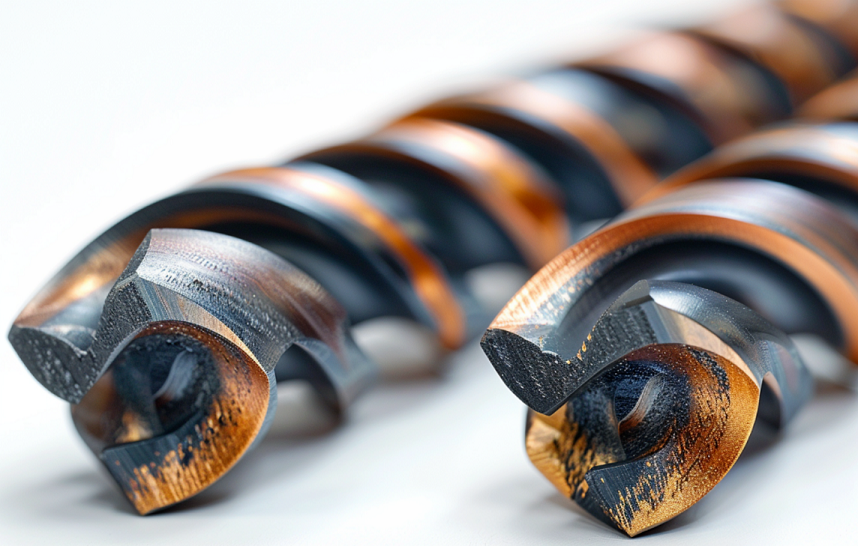
I. Material Characteristics
High Hardness: Cobalt-based cemented carbides possess extremely high hardness, allowing tools to maintain sharpness for extended periods during cutting.
High Strength: This alloy not only has high hardness but also good strength, capable of withstanding significant cutting forces and impacts, ensuring stability and safety during machining.
Wear Resistance: Due to the combination of high hardness and strength, cobalt-based cemented carbides exhibit excellent wear resistance, significantly extending tool life.
High Temperature Resistance: In high-temperature environments, cobalt-based cemented carbides maintain their mechanical properties, reducing tool wear and deformation, making them particularly suitable for high-temperature cutting.
II. Machining Advantages
High Precision: Cobalt-based carbide tools enable high-precision machining, meeting the stringent requirements of precision parts manufacturing and ensuring dimensional accuracy and surface quality of machined products.
High Temperature Resistance: These alloy tools are suitable for high-temperature cutting, maintaining stable cutting performance in high-temperature environments and improving machining efficiency.
Wide Applicability: Cobalt-based carbide tools are suitable not only for machining high-temperature alloys and wear-resistant materials but also for machining a variety of other materials, offering a wide range of applications.
III. Typical Applications
Aerospace: In the aerospace field, composite carbide cutting tools are widely used in manufacturing various high-temperature components and wear-resistant parts, such as engine blades and turbine disks.
Automotive Manufacturing: In automotive manufacturing, composite carbide cutting tools are suitable for machining high-strength materials and wear-resistant parts, such as crankshafts, connecting rods, and gears.
Electronics Industry: In the electronics industry, composite carbide cutting tools are used to produce various high-precision electronic components, such as silicon wafer cutting and integrated circuit manufacturing.
Medical Devices: In the medical device manufacturing field, composite carbide cutting tools are used to manufacture highly wear-resistant and high-precision medical tools, such as scalpels and dental drills.
In summary, compared with other carbides, composite carbides have higher versatility and are particularly suitable for high-precision and multi-purpose machining under varying processing conditions and environments.
12 Ni-Ti Based Hard Alloys
Cutting tools made from Ni-Ti based hard alloys are suitable for machining high-strength alloys, heat-resistant alloys, and difficult-to-machine materials.
I. Material Characteristics
High Hardness: Ni-Ti based hard alloys are renowned for their exceptional hardness, allowing tools to remain sharp during cutting operations and effectively resist wear.
High Strength: The alloy’s excellent strength enables it to withstand significant cutting forces and impacts, ensuring outstanding performance even under complex machining conditions.
Wear Resistance: Superior wear resistance ensures a long tool life and consistent machining results.
Heat Resistance: These alloys maintain good mechanical properties in high-temperature cutting environments, minimizing tool wear and deformation; they are particularly well-suited for high-temperature machining.
Biocompatibility: Compared to other hard alloys, Ni-Ti based hard alloys offer superior biocompatibility, making them suitable for use in the manufacture of medical devices.
II. Machining Advantages
High Precision: Ni-Ti based hard alloy tools are suitable for high-precision machining, meeting the rigorous standards required for manufacturing precision components.
Excellent Heat Resistance: They operate stably in high-temperature environments, enhancing both machining efficiency and quality.
Broad Applicability: Suitable for machining a wide range of materials—including high-strength alloys, heat-resistant alloys, and difficult-to-machine materials—offering extensive application versatility.
III. Typical Applications
Aerospace: In the aerospace sector, Ni-Ti based hard alloy tools are widely used to manufacture aircraft engines, airframes, and other critical components, ensuring reliability in high-temperature and high-pressure environments.
Medical Devices: The biocompatibility of Ni-Ti based hard alloys makes them an ideal material for producing high-precision implants, such as dental implants and artificial joints.
Energy Industry: In the energy sector, these alloy tools are used to machine high-temperature turbine components, meeting the demands of extreme operating environments and long service life requirements.
Shipbuilding: In shipbuilding, Ni-Ti based hard alloy tools are used to manufacture highly wear-resistant marine components, ensuring reliability and durability in harsh marine environments. In summary, compared to other cemented carbides, nickel-titanium-based cemented carbides offer superior heat resistance and biocompatibility, making them particularly suitable for high-intensity machining in high-temperature and medical applications.
13 Cutting tools made from molybdenum-based cemented carbide are suitable for machining high-strength alloys, heat-resistant alloys, and difficult-to-machine materials.
I. Material Characteristics
High Hardness: Molybdenum-based cemented carbide is renowned for its extreme hardness, ensuring that cutting tools remain sharp for extended periods during the cutting process.
High Strength: In addition to high hardness, this alloy possesses excellent strength, enabling it to withstand significant cutting forces and impacts while ensuring stability and safety during machining.
Wear Resistance: Outstanding wear resistance is another key feature of molybdenum-based cemented carbide, significantly extending the service life of the cutting tools.
Heat Resistance: Molybdenum-based cemented carbide maintains excellent mechanical properties during high-temperature cutting, minimizing tool wear and deformation, making it suitable for machining in extreme heat environments.
Thermal Shock Resistance: Compared to other cemented carbides, molybdenum-based cemented carbide offers superior thermal shock resistance, maintaining stability in environments subject to intense thermal shock.
II. Machining Advantages
High Precision: Molybdenum-based cemented carbide tools are suitable for high-precision machining, meeting the rigorous standards required for manufacturing precision components.
Excellent Heat Resistance: Capable of stable operation in high-temperature environments, these tools enhance machining efficiency and are particularly well-suited for machining difficult materials such as high-strength and heat-resistant alloys.
Broad Applicability: These alloy tools are suitable for machining a wide range of materials and find extensive application across various industrial sectors.
III. Typical Applications
Aerospace: In the aerospace sector, molybdenum-based cemented carbide tools are used to manufacture critical components such as rocket nozzles and fuel lines, ensuring reliability under high-temperature and high-pressure conditions.
Automotive Manufacturing: In automotive manufacturing, these alloy tools are used to produce highly wear-resistant engine components—such as crankshafts and connecting rods—thereby enhancing vehicle performance and durability.
Electronics Industry: In the electronics industry, molybdenum-based cemented carbide tools are utilized to produce high-precision semiconductor components, such as those used for silicon wafer dicing and integrated circuit manufacturing. Chemical Processing Equipment: In the manufacturing of chemical processing equipment, tools made from this alloy are used to produce components such as high-temperature reactors and piping, designed to withstand operating environments characterized by high temperatures, high pressures, and corrosive media.
In summary, compared to other cemented carbides, molybdenum-based cemented carbides offer superior thermal shock resistance, making them particularly suitable for high-precision machining in environments involving extreme temperatures and intense thermal shock.
14 Tools made from composite carbide are suitable for machining a wide range of materials, particularly high-strength and difficult-to-machine materials.
I. Material Characteristics
High Hardness: Composite carbide combines the advantages of multiple materials to achieve exceptional hardness, allowing the tool to remain sharp during prolonged cutting operations and effectively resist wear.
Versatility: By integrating the properties of different materials, composite carbide demonstrates broader applicability, meeting the requirements of various workpiece materials and machining conditions.
Wear Resistance: Excellent wear resistance is a key feature of composite carbide, significantly extending tool life and reducing production costs.
Thermal Stability: Composite carbide maintains stable mechanical properties during high-temperature cutting, minimizing tool wear and deformation while ensuring machining precision and efficiency.
II. Machining Advantages
High Precision: Composite carbide tools enable high-precision machining, meeting the rigorous standards required for precision component manufacturing.
Versatility: Combining the strengths of various materials, composite carbide tools are suitable for a wide range of machining conditions and environments—such as high-temperature, high-pressure, and high-speed operations—offering broad application potential.
High-Temperature Resistance: Composite carbide tools can perform cutting operations in high-temperature environments, enhancing efficiency; they are particularly well-suited for machining high-strength and difficult-to-machine materials.
III. Typical Applications
Aerospace: In the aerospace sector, composite carbide tools are widely used to manufacture various high-temperature and wear-resistant components, such as engine blades and turbine disks.
Automotive Manufacturing: In automotive production, composite carbide tools are used to machine high-strength materials and wear-resistant parts, including crankshafts, connecting rods, and gears.
Electronics Industry: In the electronics industry, composite carbide tools are employed in the production of various high-precision electronic components, such as those used in silicon wafer dicing and integrated circuit manufacturing. Medical Devices: In the field of medical device manufacturing, composite cemented carbide tools are used to produce highly wear-resistant, high-precision medical instruments, such as surgical scalpels and dental drills.
In summary, compared to other types of cemented carbide, composite cemented carbide offers greater versatility, making it particularly well-suited for high-precision, multi-purpose machining under varying processing conditions and environments.
Post time: Jul-06-2026