

The soldering temperature of molybdenum-copper (MoCu) heat sinks is a crucial parameter in the soldering process, directly affecting soldering quality and stability. Choosing the appropriate soldering temperature for MoCu heat sinks requires considering several factors, including the properties of the soldering materials, process requirements, and the specific application environment.
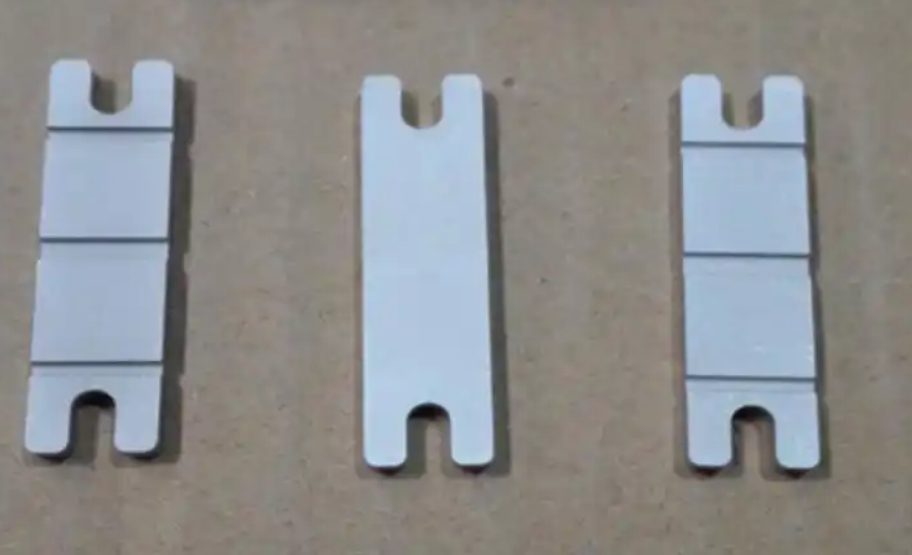
Generally, MoCu heat sinks are used for heat dissipation in high-power electronic devices, such as power modules and power supply modules. These heat sinks are made of an alloy of molybdenum and copper, possessing excellent thermal conductivity and mechanical strength, making them suitable for high-temperature, high-power environments. During soldering, appropriate solders are needed to connect the heat sink to other components; commonly used solders include solder and solder paste.
The soldering temperature for MoCu heat sinks is generally between 200°C and 300°C. This range is relatively wide, and the specific soldering temperature depends on several factors, including the requirements of the soldering materials, the soldering process, and the actual application requirements.
When determining the welding temperature, the following factors need to be considered:
**Welding Material Requirements:**
Different solders may have different temperature requirements. Some solders require higher temperatures to fully melt and flow, while others achieve good welding results at lower temperatures. Therefore, the appropriate welding temperature needs to be determined based on the selected solder.
**Welding Process Requirements:**
The heat generated during the welding process can affect the heat sink and other surrounding components, potentially causing thermal stress and deformation. Therefore, when determining the welding temperature, factors such as the heat capacity and thermal conductivity of the heat sink and other components need to be considered to ensure a stable and reliable welding process.
**Application Environment Requirements:**
Different application scenarios may impose different requirements on the welded connection strength, stability, and temperature resistance. For example, electronic devices operating in high-temperature environments need to ensure that the welded connection can withstand the effects of high temperatures without loosening or breaking.
**Molybdenum Copper (MoCu) Flange Devices:**
Therefore, when determining the welding temperature of molybdenum copper heat sinks, the above factors need to be comprehensively considered, and sufficient experiments and verifications need to be conducted. Generally, the appropriate welding temperature range can be determined based on the technical data and suggestions provided by the solder manufacturer, and adjustments and optimizations can be made according to specific circumstances during actual operation to ensure welding quality and stability.
Post time: Feb-04-2026