

Cemented carbide is a composite material produced via powder metallurgy, consisting of metal carbides and a metallic binder phase. Characterized by high hardness, superior wear resistance, and excellent heat resistance, it is widely used in fields such as industrial machining, mining, and mold manufacturing. Tungsten-cobalt alloy, a quintessential example of cemented carbide, has become an indispensable material in modern industry due to its unique composition and properties.
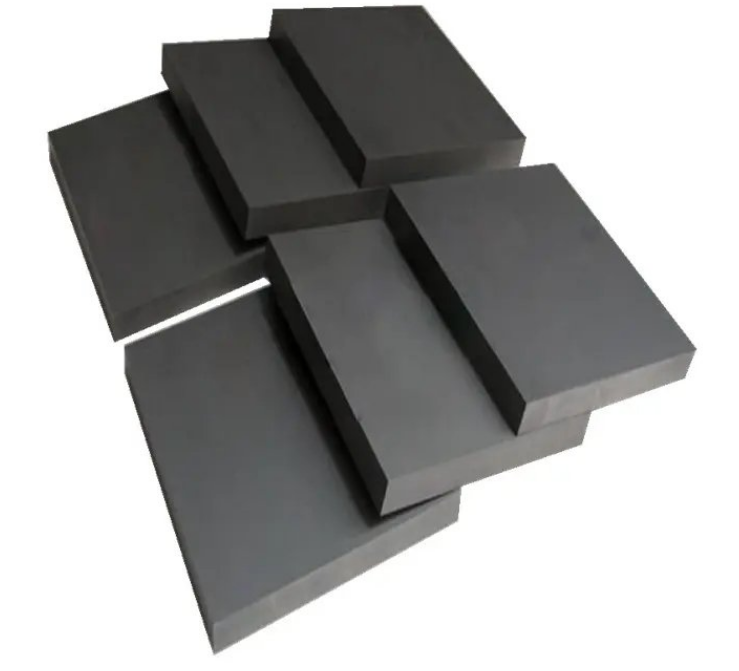
I. Composition and Classification: The Core Makeup of Tungsten-Cobalt Alloys
Tungsten-cobalt alloys utilize tungsten carbide (WC) as the primary hard phase and cobalt (Co) as the binder phase; varying the ratio of these two components yields different grades. In grades such as YC10, P05, and P15, the numerical designations typically indicate cobalt content or performance levels, directly influencing the material’s hardness and toughness. For instance, YC10 features lower cobalt content and achieves a hardness of 91.5 HRA (Rockwell hardness), making it suitable for high-intensity machining applications. Meanwhile, grades like P05 and P15 strike a balance between hardness and impact resistance through optimized compositional ratios. Additionally, the alloys contain trace amounts of tin (≤0.0001%) and rare-earth elements (≥0.0001%); these additives refine grain structure and increase material density, further enhancing overall performance.
II. Technical Principles: The Source of High Hardness and Wear Resistance
The hardness of cemented carbide stems primarily from the properties of tungsten carbide crystals. Tungsten carbide possesses a hexagonal crystal structure characterized by high bond energy and dense atomic packing, rendering the material highly resistant to compression and scratching. As the binder phase, cobalt “cements” the tungsten carbide particles together at high temperatures, creating a dense microstructure. This structure preserves the inherent hardness of tungsten carbide while utilizing cobalt’s plastic deformation capabilities to absorb external impacts, thereby preventing brittle fracture. In machining operations, for example, tungsten-cobalt alloy tools can withstand the high temperatures generated by rapid friction—maintaining a sharp cutting edge and extending service life—though the use of coolant is required in practice due to the material’s thermal characteristics.
III. Application Scenarios: From Industrial Processing to Everyday Tools
The hardness and wear resistance of tungsten-cobalt alloys make them the material of choice for manufacturing cutting tools. In metalworking, the YC10 grade is frequently used for the tips of turning and milling tools, enabling efficient cutting of difficult-to-machine materials such as stainless steel and titanium alloys; meanwhile, grades P05 and P15 are commonly used for tools requiring a balance of hardness and toughness, such as drill bits and reamers. In mining operations, roller cone bits made from tungsten-cobalt alloys can penetrate hard rock strata, offering wear resistance dozens of times greater than that of ordinary steel. Furthermore, these alloys are widely used in mold manufacturing (e.g., stamping and deep-drawing dies), the electronics industry (e.g., PCB drill bits), and everyday tools (e.g., high-end screwdriver bits), meeting the rigorous performance demands of diverse applications.
IV. Performance Advantages: Real-World Value Behind Technical Specifications
Taking tungsten steel as an example, its hardness reaches 91.5 HRA, indicating that the material surface can withstand high-load indentation under standard testing conditions—making it suitable for enduring prolonged friction and impact. The optimized ratio of cobalt to tungsten carbide enhances flexural strength while maintaining hardness, thereby reducing the risk of edge chipping during machining. Extremely low levels of tin and rare-earth elements (both ≤0.0001%) further improve material uniformity and stability by purifying grain boundaries and inhibiting grain growth. Collectively, these parameters ensure the reliable performance of tungsten-cobalt alloys under extreme operating conditions.
Post time: Jul-29-2026