

Tungsten prices have soared by over 120%, making it the new darling of the market! Global reserves are scarce, demand from the photovoltaic and military industries is exploding, and nuclear fusion may reshape the future landscape. Tightening supply quotas are forcing downstream companies to adjust prices, and this storm of value reassessment has only just begun.
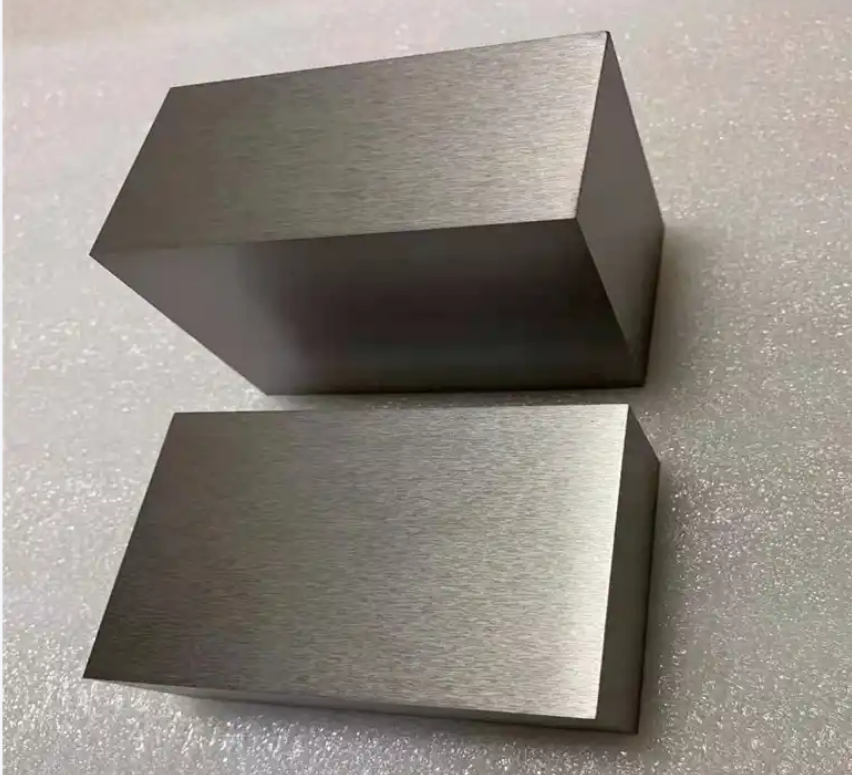
Following copper and lithium hexafluorocarbonate, another “minor metal” has entered a period of insane price increases—tungsten, often referred to as the “teeth of industry.”
Many people probably think of the thin filament in a light bulb when they hear the name tungsten, right? But did you know that this “niche” metal has far more to offer?
It boasts the highest melting point of any metal in nature—a whopping 3400℃, a density almost twice that of gold, and a hardness comparable to diamond! It is precisely because of these “superpowers” that tungsten has become an indispensable “hard currency” in modern industry: from the tungsten alloy used for counterweights in the vibration motors of our smartphones; to the tungsten steel cutting tools used in the machining of key components in automobile engines; even silicon wafer cutting requires tungsten wire. Not to mention military products, oil drilling, aerospace, and other fields, where tungsten is ubiquitous!
Moreover, and most importantly, tungsten is a non-renewable resource, and its global reserves are particularly concentrated—this scarcity combined with its strategic value has long foreshadowed future price fluctuations. Data shows that the prices of major tungsten products have surged across the board, with increases exceeding 120%, and some even surpassing 140%! According to statistics from the China Tungsten Industry Association, as of the first three quarters, tungsten ore prices had risen by 95% since the beginning of the year, reaching 280,000 yuan per ton, a new high.
So why has the price of tungsten skyrocketed?
First, let’s look at the supply side: raw materials are currently in severe shortage! China is the world’s largest producer and holder of tungsten resources, but since 2002, it has implemented a strict quota system for tungsten mining. This year’s first batch of tungsten concentrate mining quotas was only 58,000 tons, 6.45% less than last year, directly tightening the supply. Moreover, many mines are now facing resource depletion and declining ore grades; many small mines, after calculating costs, have simply stopped production. Furthermore, at the beginning of this year, the Ministry of Commerce, in conjunction with other departments, issued export control policies for tungsten-related items, further exacerbating the pressure on the global tungsten supply chain.
Can foreign countries fill the gap? Difficult! Although many overseas tungsten plants have announced plans to expand production, either investment cannot keep up, or construction cycles are too long, making it impossible to fill the global supply gap in the short term.
With supply tightening and demand surging, tungsten prices have been pushed up again! In traditional application areas, such as cemented carbide, prices continue to grow steadily. First, let’s look at traditional sectors, such as cemented carbide, where demand has been steadily increasing. Not to mention emerging industries like photovoltaics and automobiles, which have seen rapid development recently, leading to a surge in tungsten demand! Take photovoltaic tungsten wire as an example: its penetration rate in silicon wafer cutting was only 20% in 2024, but this year it has jumped to 40%, with global demand expected to exceed 4,500 tons, almost double that of last year!
Furthermore, the military industry, power construction, including demand for drone structural components and AI computing power, are all continuously increasing. Moreover, national-level mega-projects like the Yarlung Tsangpo River hydropower station and the Xinjiang-Tibet Railway, along with the upgrading of supporting highways, all require large quantities of cemented carbide tools, further fueling tungsten demand. Even more noteworthy is the nuclear fusion sector! It’s said that a commercial nuclear fusion reactor consumes 29,000 tons of tungsten over 40 years. If the commercialization of nuclear fusion accelerates, the demand structure for tungsten may undergo significant changes! In summary, the tungsten market’s resource supply problem is unlikely to be alleviated in the short term, and tungsten prices are likely to remain high in the future.
As a result of rising tungsten prices, cost pressures have been passed down the supply chain, and downstream companies are starting to feel the strain. Recently, South Korean tungsten hexafluoride manufacturers collectively announced a price adjustment to semiconductor clients such as Samsung Electronics and SK Hynix, proposing a 70-90% increase in contract prices for next year.
It’s not just South Korea; domestic tungsten hexafluoride companies are also complaining: tungsten powder prices have doubled this year, putting immense pressure on downstream gas producers. They have no choice but to follow suit and raise prices, otherwise they simply cannot withstand the cost pressures. Moreover, the impact extends beyond the chemical industry; even the familiar cutting tool industry has been affected. Many end-user manufacturers have recently issued price adjustment announcements to cope with the pressure of fluctuating raw material costs. After all, with raw material prices rising so sharply, it’s unsustainable without price adjustments.
In summary, FOTMA believes that behind this price storm lies a fundamental shift in supply and demand—reductions in mining quotas, the surge in emerging demand from photovoltaic and military industries, and adjustments to export policies, all of which have collectively propelled tungsten prices into a historic upward trend. The strategic value of tungsten is being recognized by the market at an unprecedented level. This is not just about rising prices, but a reassessment of its value. Contact us to get the best current quotes for tungsten products.
Post time: Dec-03-2025