

Tungsten-silver alloy (W-Ag alloy) is an alloy composed of tungsten and silver, with a silver content of 30%–70%.
Tungsten-silver alloy is a two-phase pseudo-alloy mainly composed of tungsten and silver, and is a metal-based composite material. It is generally obtained using powder metallurgy technology. The applications of tungsten-silver alloy are similar to those of tungsten-copper alloy; it was once used as a nozzle throat liner for solid rockets. In electrical switches, tungsten-silver alloy is more commonly used in lower-voltage circuit breakers, automatic switches, contactors, and other applications requiring good oxidation resistance, higher electrical and thermal conductivity, smaller contact size, and frequent opening and closing operations.
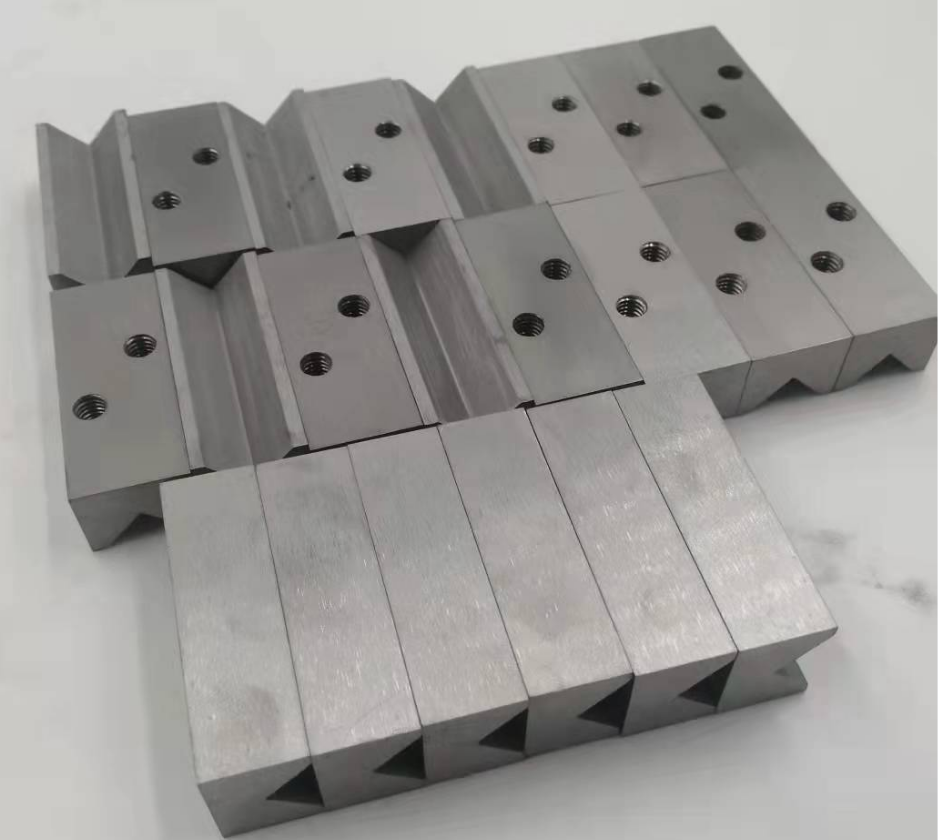
Silver-Tungsten Alloy Characteristics and Forming Process:
Silver-tungsten alloy combines the high melting point, high density, good corrosion resistance, and excellent machinability of tungsten with the high electrical and thermal conductivity of silver, making it widely used in next-generation electronics, cutting-edge materials, aerospace, military, electrical industry, medical devices, and metallurgy. The electrical resistance of silver-tungsten alloys is closely related to the silver content distribution and particle size in their composition. Therefore, accurately determining the silver content in silver-tungsten alloys is of great significance for controlling the characteristics and quality of different products, promoting the efficient utilization and resource-based treatment of precious metal resources, and driving the green and high-quality development of the manufacturing industry. Silver-tungsten alloys are often produced by mixing pure silver and pure tungsten powders and then processing them through processes such as pressing → sintering → infiltration or pressing → sintering → pressing. Different manufacturing processes may lead to uneven regional distribution of silver in the silver-tungsten alloy.
Comparison of AgW and AgWC electrical contacts:
Among electrical contact materials, AgW and AgWC electrical contacts are widely used as moving contacts in various circuit breakers due to their good conductivity, electrothermal properties, and good resistance to electrical abrasion. AgW electrical contacts are used significantly more than AgWC in circuit breakers because they are easy to process and can withstand high-current arc erosion. However, in recent years, with the continuous improvement of circuit breaker requirements, especially in harsh environments such as offshore and high-temperature and high-humidity locations, higher requirements have been placed on the corrosion resistance of electrical contact materials. To prevent the electrical contacts from being corroded before use, which could lead to increased contact resistance or even a complete loss of conductivity, the industry currently widely adopts a method of electroplating a silver layer after welding to isolate the tungsten or tungsten carbide from the air.
Post time: Mar-23-2026