

Introduction to Silver-Tungsten Alloy:
Silver-tungsten alloy is a metal composite material with silver and tungsten as its main components. It combines the excellent electrical and thermal conductivity of silver with the high melting point and density of tungsten, and has been widely used in aerospace, electronics, power, metallurgy, machinery, and sporting goods. It is a key material for manufacturing high and low voltage power switches, EDM electrodes, microelectronic components, and high-temperature resistant components. The silver content in silver-tungsten alloys is generally 20%–80% (mass fraction). Depending on the application conditions, the silver content needs to be adjusted within a wide range; therefore, accurately controlling the silver content can better control product quality and performance.
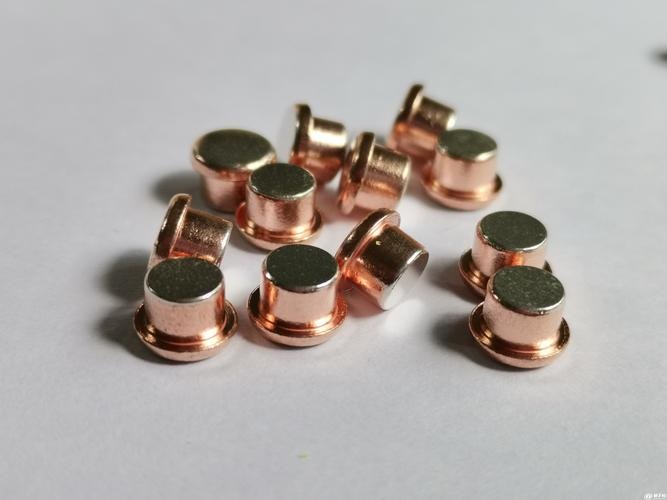
Mature Development of Silver-Tungsten Electrical Contacts:
Electrical contacts, also known as contacts or junctions, are the contact elements of electrical switches, instruments, etc., responsible for the task of connecting and disconnecting current. Therefore, their performance directly affects the reliable operation of switching devices. Contact materials have a history of nearly 100 years. Initially, pure silver, pure gold, and pure platinum were used. In the 1940s, alloys such as Ag-Cu, Au-Ag, Pt-In, and Pd-Ag were adopted. After the 1960s, multi-element precious metals and precious metal composites were developed.
Silver has the best thermal conductivity, excellent machinability, and high oxidation resistance among all metals. Therefore, silver is the most important and economical precious metal contact material, suitable for medium and heavy load electrical appliances. However, silver has low hardness and melting point, is not wear-resistant, and forms a silver sulfide film on its surface in humid and high-temperature environments containing sulfur or sulfides. Under direct current, due to its low hardness and volatility, silver can form electrolytic spikes. Under heavy loads, silver contact elements are prone to arcing, causing fusion. Tungsten is characterized by high hardness, high density, high melting point, low electrical conductivity, and very low burn-off rate. The combination of silver and tungsten combines the advantages of both. AgW contact materials typically contain 20%–80% W, possessing excellent thermal and electrical conductivity, resistance to electro-abrasion, resistance to welding, and oxidation resistance. However, their main drawback is unstable contact resistance.
Silver-Tungsten Alloy Forming Steps
Silver-tungsten alloys are often manufactured by mixing pure silver and pure tungsten powders and then performing processes such as pressing → sintering → infiltration or pressing → sintering → pressing. Different manufacturing processes may result in uneven distribution of silver in the silver-tungsten alloy.
Post time: Mar-20-2026