

Common Challenges for Beginners: Why Are Your Tungsten Processing Results Suboptimal?
Users encountering high-purity tungsten products—such as polished tungsten rods and bars—for the first time often face practical difficulties. Issues may include a decline in surface finish, the appearance of micro-cracks, or performance at high temperatures that falls short of expectations. These problems typically stem not from the material itself, but from a lack of understanding regarding tungsten’s unique characteristics, improper operational procedures, or a failure to control critical parameters. High-purity tungsten (with a content of ≥99.95%, such as that supplied by FOTMA ALLOY.) is inherently stable; however, only through correct usage can one fully exploit its advantages, including its high melting point, high density, and superior strength.
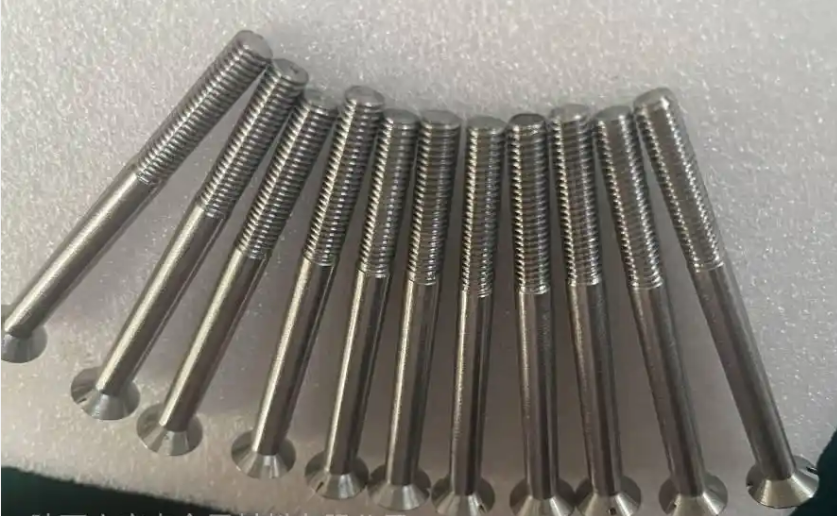
A Step-by-Step Guide: The Complete Workflow from Receipt and Storage to Processing and Use
To ensure the optimal performance of your tungsten materials, we recommend following these steps:
1. Receipt and Inspection: Upon arrival, verify that the vacuum-sealed wooden packaging remains intact. When unpacking, take care to avoid using sharp tools that could scratch the material’s surface. Confirm that the specifications and grade (W) match your requirements.
2. Storage Environment: Although tungsten possesses excellent corrosion resistance, it should still be stored in a dry, clean environment, away from strong acids or alkalis. For long-term storage, keep the material in its sealed packaging to maintain the integrity of its surface.
3. Pre-processing and Cleaning: Before processing, wipe the polished surface with anhydrous ethanol or a specialized cleaning agent to remove any trace oils or dust. Avoid using rough cloths that could introduce impurities.
4. Key Machining Points: Due to its high hardness, tungsten requires the selection of appropriate tools and parameters during machining.
5. Cutting: The use of diamond grinding wheels or specialized cemented carbide cutting tools is recommended. Maintain a constant speed during the cutting process to avoid impact loads that could cause micro-chipping along the edges.
6. Grinding/Polishing: If further grinding is required, use silicon carbide or diamond abrasive pastes with progressively finer grit sizes. As-supplied tungsten typically features a high-quality surface finish; subsequent grinding is generally performed only to meet specific dimensional or shape requirements.
7. Heat Treatment (if necessary): With a melting point as high as 3422°C, heat treatment of tungsten must be conducted in specialized high-temperature furnaces. Heating and cooling rates must be strictly controlled to prevent cracking caused by thermal stress.
8. Application and Installation: Install the material according to its intended end-use (e.g., as electrodes, structural components, or target blanks). Pay close attention to the materials of mating components to avoid excessive stress resulting from differences in thermal expansion coefficients at high temperatures.
Key Performance Parameters and Data to Keep in Mind
Understanding and effectively applying the following core parameters is essential for the proper use of tungsten materials:
1. Purity and Impurities: The product is specified as having a content of ≥99.95%, with impurities ≤0.05%. This indicates that the material is primarily W99.95. High purity is critical for ensuring excellent electrical and thermal conductivity, corrosion resistance, and high-temperature stability. In practical applications, purity directly influences the rate at which performance degrades in extreme environments.
2. Density: The density is approximately 19.3 g/cm³. This high density is a factor that must be precisely calculated in designs involving weight, inertia, or radiation shielding.
3. Melting Point: Tungsten has a melting point of approximately 3422°C, which defines the upper limit of its operational temperature range. Although the melting point is extremely high, practical design must still account for creep behavior during long-term high-temperature exposure, as well as potential interactions with the surrounding environment.
4. Grade and Specifications: Confirm that the material grade is “W”. Specifications—such as the diameter and length of rods, or the thickness of sheets—must align with both your processing equipment capabilities and the requirements of the final product. FOTMA ALLOY offers customization services to meet your specific needs; selecting the optimal specifications can reduce the amount of subsequent processing required and minimize material waste.
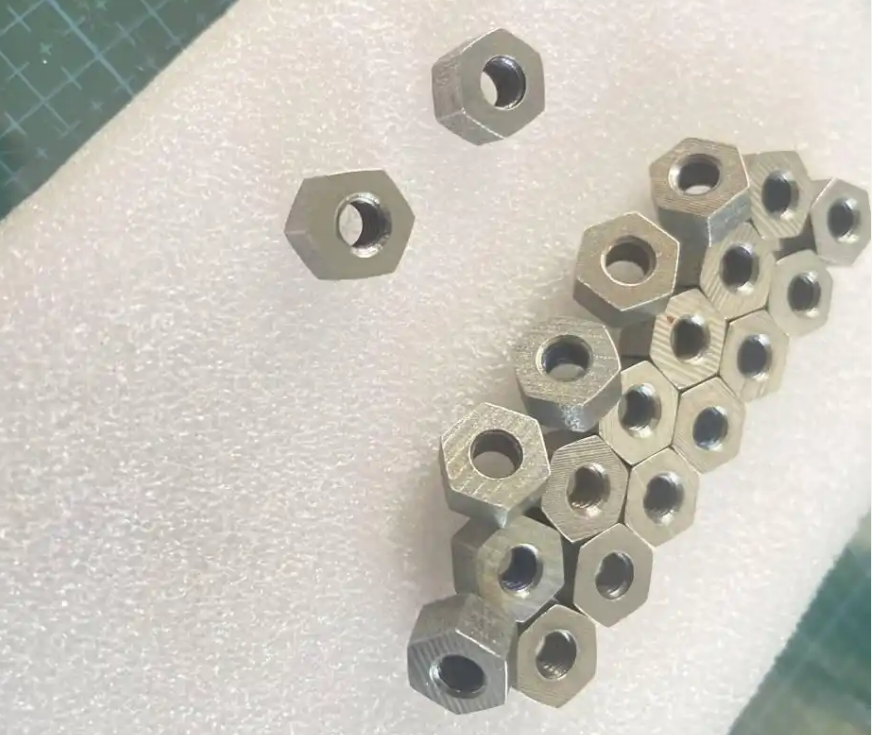
Expert Insights: Avoiding Common Pitfalls
Based on typical application scenarios, here are a few practical tips:
1. Prevent Overheating During Machining: Even when turning or milling tungsten at room temperature, its high strength and hardness can cause significant localized heat due to friction between the tool and the material. It is essential to use an adequate supply of coolant (water-based or specialized oil-based coolants are recommended) and to carefully control machining speeds. This prevents excessive localized temperatures, which could otherwise alter the material’s surface properties or lead to rapid tool wear.
2. Exercise Caution with Welding: Welding tungsten is a highly specialized process. If welding is required, it typically necessitates advanced techniques—such as electron-beam or laser welding—performed within a high-purity protective atmosphere. Conventional arc welding is strongly discouraged, as it is highly likely to introduce impurities and cause the formation of pores or cracks.
3. Understand the Limits of Corrosion Resistance: While tungsten exhibits excellent resistance to many acidic and alkaline environments, it is not universally resistant. In environments containing strong oxidizing agents or specific high-temperature molten salts, it is necessary to evaluate corrosion data. Before implementation, it is advisable to consult documented case studies or technical literature regarding performance in similar environments.
4. Be Specific When Requesting Custom Products: When submitting custom requirements to a supplier like FOTMA ALLOY (e.g., for tungsten rods, plates, or wires with non-standard dimensions), provide not only the technical drawings and dimensions but also details regarding your intended downstream processing and the final operating environment (e.g., for use as components in high-temperature furnaces or as sputtering targets). This allows the manufacturer to provide better guidance on production and post-processing (such as the required level of surface polishing), ensuring the material is perfectly suited to your specific application.
5. The Importance of Surface Protection: Polishing provides an excellent initial surface finish. Covering and protecting surfaces with soft materials (such as foam or specialized films) during intervals between handling, storage, and processing helps prevent scratches. Even a minor scratch can serve as a potential initiation point for failure under high-temperature or high-stress conditions.
The key to the proper use of high-purity tungsten lies in fully respecting its physical properties, adhering to scientifically sound operational procedures, and precisely controlling relevant parameters. By following these steps and techniques, you can safely and effectively incorporate this high-performance material into your projects or products, thereby realizing its full value.
Post time: Oct-15-2026