

During wire cut electrical discharge machining (EDM), regularly distributed black spots often appear on the molybdenum wire—a common issue known as blackening (or spotting) of the wire. This phenomenon not only reduces machining efficiency but also risks compromising product quality. Below is an analysis of the causes and corresponding solutions.
Issues with the Dielectric Fluid
Poor electrical insulation of the working fluid may cause electrode burning, leading to molybdenum wire blackening.
Inadequate water nozzle flow prevents the dielectric fluid from fully enveloping the molybdenum wire, making it prone to damage during cutting.
Prolonged use of the working fluid allows impurities to enter the kerf, worsening wire abrasion.
Excessively low concentration of the dielectric fluid weakens chip removal, trapping debris in the cut gap and damaging the wire.
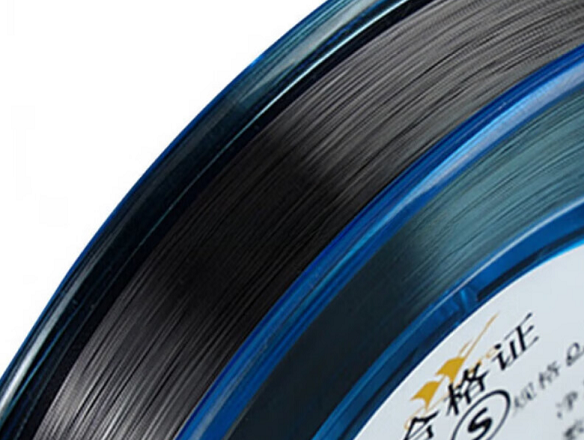
Issues with the Molybdenum Wire Itself
The quality of the molybdenum wire, wire tension during installation, and service life all affect its performance in wire cut EDM.
Molybdenum wire that has been stored unused for a long time suffers from degraded performance and is more susceptible to blackening.
Malfunctions of the pulse generator in the electric cabinet can cause abnormal current, further damaging the molybdenum wire.
Issues with the Workpiece Material
Materials with oxidized scale, forging laminations, or those without proper quenching and tempering tend to generate more impurities and abnormal electrical discharges during machining, both of which can cause molybdenum wire blackening.
Summary
To resolve black spots and blackening on EDM molybdenum wire, root causes must be identified and addressed from multiple aspects. Only in this way can machining efficiency and product quality be improved. We hope these suggestions prove helpful.
Post time: May-11-2026