

Have you ever wondered how the piston rings in an automobile engine can withstand hundreds of thousands of kilometers of friction without failing? The answer lies in a material known as “molybdenum spray wire.” This seemingly ordinary metal wire is quietly redefining wear-resistance standards across the automotive and machinery sectors.
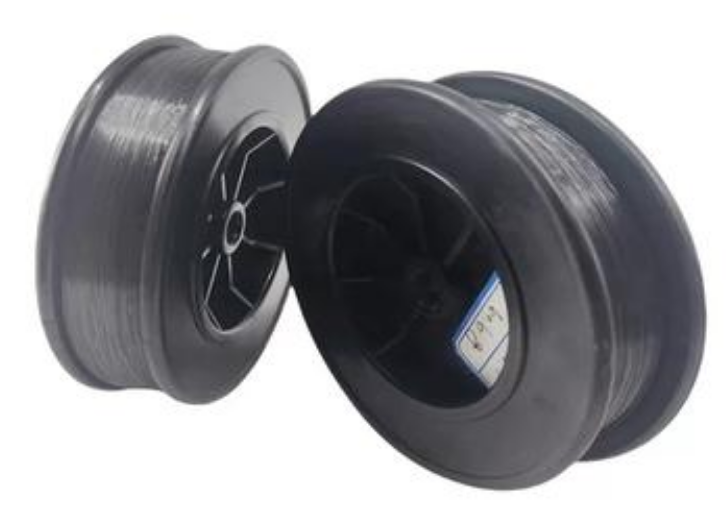
A Secret Weapon for Highly Wear-Resistant Coatings
Molybdenum spray wire has become an industrial favorite due to four core properties: high wear resistance, excellent adhesion, a consistent coefficient of friction, and broad compatibility. Molybdenum itself possesses high hardness, effectively resisting wear during friction and extending the service life of components. Furthermore, it bonds exceptionally well with various substrates—such as steel and aluminum alloys—to form a uniform, dense protective layer.
In automotive manufacturing, molybdenum spray wire has become the standard coating for components like piston rings and transmission synchronizers. Experimental data shows that piston rings treated with molybdenum spray exhibit enhanced wear resistance, significantly reducing the frequency of engine repairs. This performance boost not only minimizes equipment downtime but also substantially lowers maintenance costs for businesses.
An Analysis of Two Key Spraying Processes
The industry primarily employs two spraying techniques: High-Velocity Oxy-Fuel (HVOF) spraying and arc spraying. In flame (oxy-fuel) spraying, an oxygen-acetylene mixture melts the molybdenum wire, creating a fine mist of molten metal droplets that are propelled onto the workpiece surface. This process produces a coating with a density of up to 99%, making it ideal for applying thin, precise layers to intricate components.
Arc spraying, by contrast, is better suited for large-surface applications. It utilizes an electric arc between two molybdenum wires to generate high temperatures, while compressed air is used to propel the molten metal onto the target surface. One automotive manufacturer adopted this process for crankshaft repair, resulting in a 40% reduction in repair costs and a 50% increase in component service life. Such technological breakthroughs have given a “second life” to many mechanical parts that would otherwise have been scrapped.
New Opportunities and Challenges in the Global Market
With the rise of new energy vehicles and high-end equipment manufacturing, the market for molybdenum spray wire is experiencing explosive growth. As a major manufacturing powerhouse, China is seeing its domestic enterprises rapidly catch up with international giants, achieving continuous breakthroughs in critical metrics such as purity control and diameter precision.
However, the industry also faces dual pressures: fluctuating raw material costs and increasingly stringent environmental regulations. A newly developed lanthanum-doped molybdenum wire—which raises the maximum operating temperature by 200°C while maintaining excellent wear resistance—may well serve as the technological breakthrough needed to overcome these challenges.
From automotive engines to heavy machinery, molybdenum thermal-spray wire is writing a new chapter in industrial wear resistance. It is more than just a material; it is an embodiment of the pursuit of peak performance in modern manufacturing. As technology continues to evolve, this silvery metallic wire is set to provide a “wear-resistant armor” for an ever-wider range of industrial equipment, driving the entire manufacturing sector toward greater efficiency and enhanced durability.
Post time: Oct-27-2026