

Molybdenum spray wire is made primarily of high-purity molybdenum (≥99.95%), refined using powder metallurgy technology. It undergoes multiple complex processes including isostatic pressing, high-temperature sintering, rolling, and stretching to ultimately form wire products of various diameters.
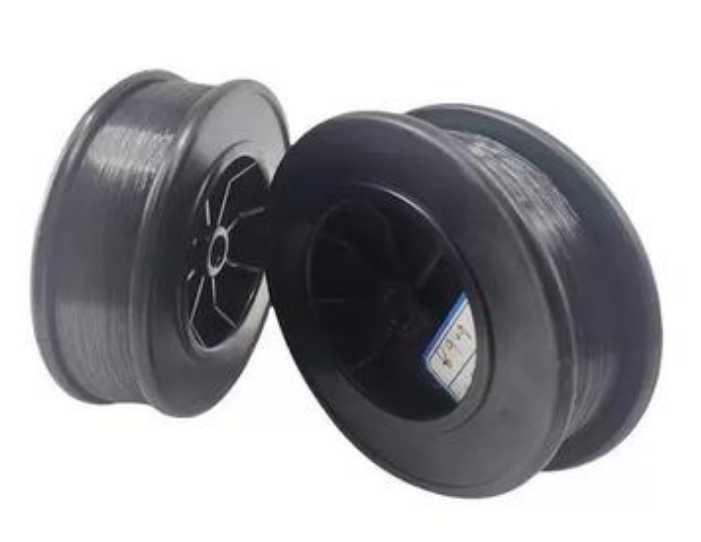
Core Characteristics
Superior Wear Resistance: The molybdenum coating can withstand high mechanical loads, providing superior protection for components.
Excellent High-Temperature Resistance: Melting point 2620℃, remaining stable even in extreme temperature environments.
Good Adhesion: Coating density can reach over 99%.
High Purity: Impurity content ≤0.05%, ensuring stable coating quality.
Production Process:
Employs high-speed flame spraying or arc spraying technology. In flame spraying, the molybdenum wire is melted by flammable gases such as oxy-acetylene and then sprayed onto the workpiece surface; in arc spraying, an electric arc is generated through two wires to melt the material, which is then sprayed using compressed air. Both processes can form a hard protective layer with a constant coefficient of friction.
Main Application Areas:
Automotive Manufacturing: Surface strengthening of critical worn components such as piston rings, transmission synchronizers, and gear shift forks.
Machinery Repair: Repair of worn mechanical parts such as crankshafts, rolls, bearing housings, and shafts.
Industrial Equipment: Protective coating for mechanical parts operating in high-temperature environments.
Molybdenum-spray wire can be produced in various specifications as needed. Some products also include lanthanum or yttrium to enhance high-temperature resistance. It has become an indispensable surface strengthening solution in the automotive and machinery manufacturing industries, hailed as “metal armor for industrial parts.”

Author: Ms. Cherry Zhao, Sales Manager of FOTMA ALLOY, over 20 years of experience in Non-ferrous industry.
Post time: Mar-26-2026