

Laser processing is applicable to nearly all metallic and non-metallic materials, with a particularly extensive range of uses in the metal sector—by rough estimates, metal processing accounts for over 85% of all global laser processing applications. However, the use of lasers for processing copper and other non-ferrous metals remains relatively limited. As a foundational material for many industrial products, copper offers excellent electrical and thermal conductivity, as well as superior corrosion and wear resistance. Molybdenum-copper (Mo-Cu) alloys, valued for their high thermal conductivity, are frequently used as heat sink materials and have recently emerged as a highly sought-after material in the industrial sector.
1. Characteristics of Molybdenum-Copper Alloys
Molybdenum-copper alloys are composite materials that combine the properties of both molybdenum and copper, resulting in an excellent overall performance profile:
· High Electrical and Thermal Conductivity
Among metals—excluding gold, silver, and copper itself—molybdenum exhibits relatively high electrical and thermal conductivity. Consequently, molybdenum-copper alloys possess high levels of both electrical and thermal conductivity.
· Low, Adjustable Coefficient of Thermal Expansion (CTE)
While copper has a high coefficient of thermal expansion, molybdenum’s is very low. By adjusting the composition of the alloy, the CTE can be tailored to specific requirements. This allows the material to be matched with other components, preventing structural damage caused by thermal stress—a critical advantage in applications such as high-temperature components for aerospace rockets.
· Unique High-Temperature Performance
Molybdenum has a melting point of 2610°C, whereas copper melts at only 1083°C. At room or moderate temperatures, molybdenum-copper alloys offer a favorable balance of strength and ductility. When temperatures exceed the melting point of copper, the copper within the alloy can liquefy and evaporate, absorbing heat and providing a cooling effect. This property makes the material ideal for specialized high-temperature applications, such as nozzle throat liners (which must withstand the heat of propellant combustion) or electrical contacts subjected to high-temperature electric arcs. · Non-magnetic Properties
Both molybdenum and copper are non-ferromagnetic metals; consequently, the resulting molybdenum-copper alloy serves as an excellent non-magnetic material.
· Low Gas Content and Superior Vacuum Performance
The oxides of both molybdenum and copper are easily reduced, and impurities such as nitrogen (N), hydrogen (H), and carbon (C) can be readily removed, ensuring excellent performance in vacuum environments.
2. Applications of Molybdenum-Copper Alloys
Given these superior characteristics, molybdenum-copper alloys offer broad application prospects, primarily in the following areas:
· Electrical Contacts for High-Voltage Vacuum Switches
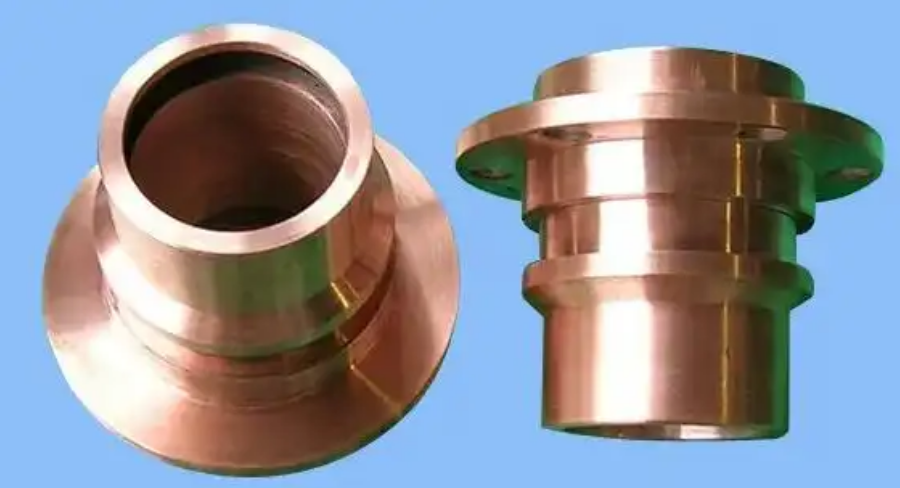
In the industry for electrical contact materials used in high-voltage vacuum switches, tungsten-copper and molybdenum-copper alloys are commonly employed as alternatives to silver-based alloys (such as silver-tungsten). Molybdenum-copper, in particular, has seen its market share grow due to its effective vacuum arc-extinguishing and interruption capabilities, high voltage-withstand strength, and resistance to contact welding.
· Conductive and Heat-Dissipating Components
Molybdenum-copper alloys meet the rigorous requirements of high-power integrated circuits and microwave devices, including high electrical and thermal conductivity, heat resistance, vacuum compatibility, and a controlled coefficient of thermal expansion.
· Heat Sinks for Microelectronic Packaging
Thanks to its low thermal expansion combined with the high thermal conductivity of copper—and the ability to tune the coefficient of thermal expansion and thermal/electrical conductivity by adjusting the alloy composition—molybdenum-copper is widely used in integrated circuits, heat radiators, and heat sink applications.
· Substrate Materials for 5G Base Stations
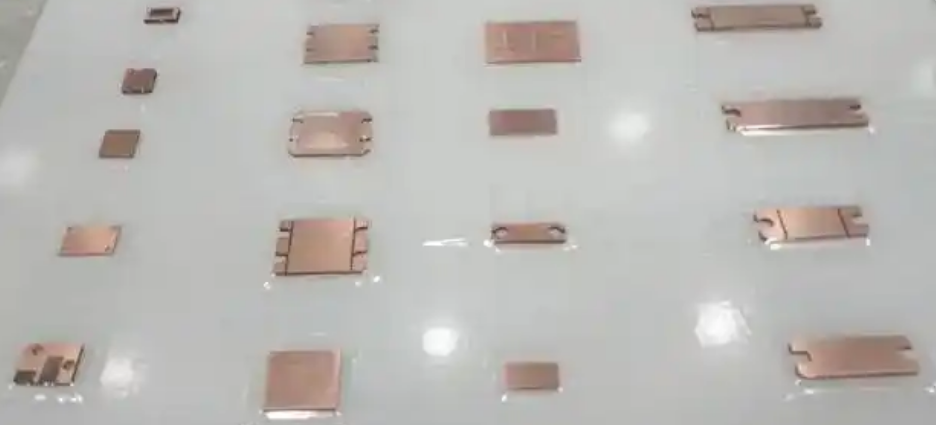
With the advent of the 5G era, new 5G products—characterized by high heat flux density, high power, stability, rapid thermal response, and an ultra-thin profile—demand superior thermal conductivity and heat dissipation. Molybdenum-copper is exceptionally well-suited to meet these requirements.
· High-Temperature Components for Rockets and Missiles (Moderate-Temperature Range)
Similar to tungsten-copper alloys, molybdenum-copper has a significantly lower density, making it better suited for high-temperature components in rockets and missiles that operate at relatively lower temperature ranges. It can also serve as a substitute for pure molybdenum in various other defense applications, such as components for extended-range artillery. In addition to the aforementioned categories, these alloys are also used for solid dynamic seals, reinforcing ribs subject to sliding friction, water-cooled electrode heads for high-temperature furnaces, and electrodes for electrical discharge machining (EDM). As industry continues to evolve, it is expected that further applications for molybdenum-copper alloys will be developed, driving an ever-increasing market demand.
3. Processing Solutions for Molybdenum-Copper Alloys
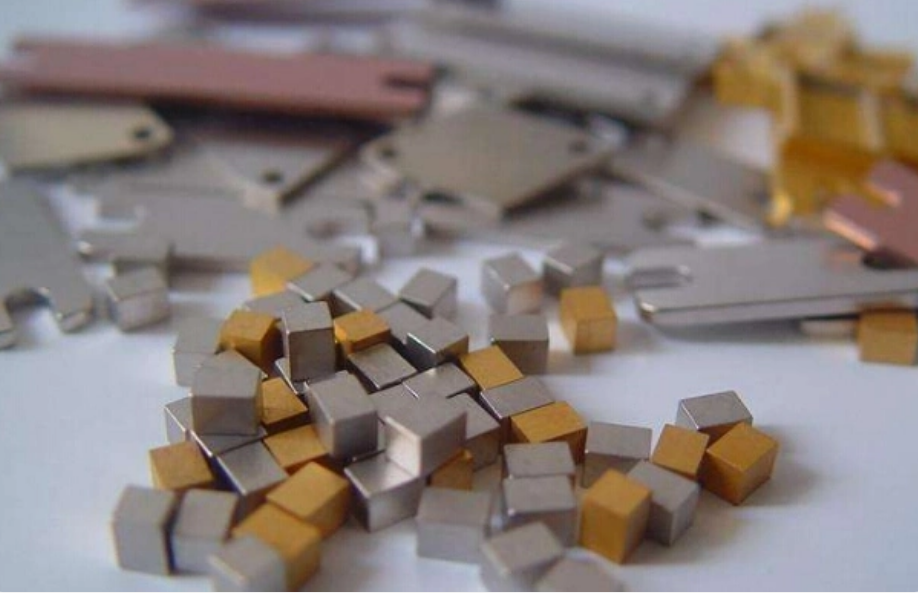
The processing of molybdenum-copper alloys has long been a focal point of research both domestically and internationally. Traditional machining methods often suffer from significant deformation, poor precision, high consumable costs, environmental concerns, and a lack of flexibility. In contrast, laser cutting can drastically reduce processing time, lower costs, enhance workpiece quality, enable flexible manufacturing, and offer a more energy-efficient and eco-friendly production process. However, processing these alloys is challenging: the copper content exhibits high reflectivity—resulting in extremely low laser absorption—and excellent thermal conductivity, which causes most of the incident laser energy to be reflected while rapidly dissipating heat from the irradiated area into the surrounding material. FOTMA ALLOY is dedicated to the research and exploration of precision laser processing technologies; by ensuring stability during laser cutting, the company significantly improves both precision and speed, providing clients with comprehensive precision laser processing solutions for molybdenum-copper alloys.
4. Advantages of Laser Processing for Molybdenum-Copper Alloys
Ultra-fast precision laser processing of highly reflective materials has long been a significant challenge for the industry. Compared to traditional wire-cut electrical discharge machining (WEDM), laser processing of molybdenum-copper alloys offers higher efficiency, superior cut quality, minimal carbonization, and the benefits of being convenient, safe, clean, and reliable. FOTMA ALLOY remains committed to ongoing exploration in this field, continuously enhancing product stability and processing efficiency. Through the iterative upgrading of our products and technologies, we aim to meet the diverse processing requirements across a wide range of industries.
Post time: Oct-21-2026