

As a high-performance composite material, CuW75 tungsten-copper alloy plays a crucial role in the industrial sector—particularly in high-end equipment manufacturing—thanks to its unique physical and chemical properties. This article provides a comprehensive analysis of the hardness characteristics of CuW75 tungsten-copper alloy, examining aspects such as its composition, manufacturing process, hardness performance, application areas, and future development trends, with the aim of offering valuable information to professionals in related industries.
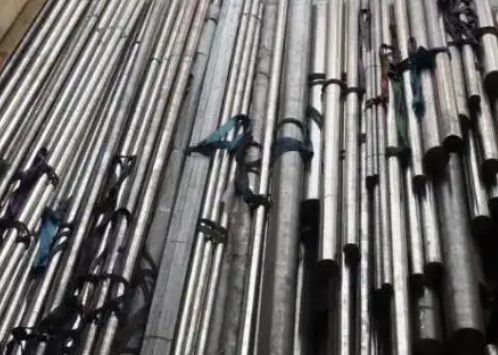
I. Composition and Preparation of CuW75 Tungsten-Copper Alloy
CuW75 tungsten-copper alloy is primarily composed of 75% tungsten (W) and 25% copper (Cu). The copper content is permitted to fluctuate within a range of 25 ± 2%, while impurity levels are strictly controlled to remain below 0.5%. This specific ratio allows the CuW75 alloy to combine the high hardness, high melting point, and anti-sticking properties of tungsten with the excellent electrical and thermal conductivity of copper, resulting in unique material characteristics.
Powder metallurgy is the standard method used to manufacture CuW75 tungsten-copper alloy. This process begins with the uniform mixing of tungsten and copper powders in the required proportions, followed by pressing and sintering to produce a dense alloy material. Precise control of temperature and atmosphere during the sintering process allows for the optimization of the alloy’s microstructure, thereby enhancing its mechanical properties, including hardness.
II. Hardness Performance of CuW75 Tungsten-Copper Alloy
Hardness—a measure of a material’s ability to resist deformation caused by localized pressure—is a key indicator of mechanical performance. CuW75 tungsten-copper alloy exhibits exceptional hardness; its hardness value is typically no less than HB195, with some high-quality alloys reaching levels above HB220. This high hardness is primarily attributed to the inherent hardness of tungsten and the alloy’s dense microstructure. Furthermore, the hardness of the CuW75 tungsten-copper alloy is influenced by factors such as its manufacturing process, heat treatment conditions, and alloy composition. Optimizing the manufacturing process and heat treatment conditions can further enhance the alloy’s hardness. Additionally, the ratio of tungsten to copper affects hardness; a well-balanced composition allows the alloy to achieve higher hardness while maintaining excellent electrical and thermal conductivity.
III. Application Fields of CuW75 Tungsten-Copper Alloy
Due to its high hardness, high melting point, and excellent electrical and thermal conductivity, CuW75 tungsten-copper alloy is widely used across various fields.
1. **Resistance Welding Electrodes**: CuW75 tungsten-copper alloy is an ideal material for resistance welding electrodes. Its high hardness and melting point enable it to withstand high-temperature and high-pressure welding environments, while its excellent electrical conductivity ensures the stability and efficiency of the welding process. Moreover, the alloy’s resistance to sticking minimizes adhesion between the electrode and the workpiece during welding, thereby extending the electrode’s service life.
2. **High-Temperature Components**: CuW75 tungsten-copper alloy finds extensive application in high-temperature, high-speed environments such as aerospace and high-speed rail. Components subjected to these conditions—such as gas vanes, nozzles, throat inserts, and nose cones—benefit from the alloy’s high melting point and superior ablation resistance; it withstands the erosion and ablation caused by high-temperature, high-speed gas flows, ensuring the equipment operates reliably.
3. **Electrical Contacts**: CuW75 tungsten-copper alloy is frequently used as a material for electrical contacts. Its high hardness and excellent electrical conductivity ensure stability and reliability during prolonged, high-load operation. Additionally, the alloy’s resistance to sticking helps reduce adhesion between contact surfaces, thereby improving equipment operating efficiency.
4. **Other Fields**: CuW75 tungsten-copper alloy is also widely used in mold manufacturing, electronic packaging, precision machining, and other sectors. In mold manufacturing, the high hardness and wear resistance of CuW75 alloy make it an ideal material for producing high-precision molds. In electronic packaging, the alloy’s excellent electrical and thermal conductivity help ensure the stability and reliability of electronic devices. In precision machining, its good machinability makes it a key material for manufacturing precision components.
IV. Future Development Trends of CuW75 Tungsten-Copper Alloy
With continuous technological progress and the acceleration of industrialization, the application scope of CuW75 tungsten-copper alloy is set to expand further. Future development trends for the alloy will primarily focus on the following areas:
1. **Enhanced Performance**: Optimizing preparation processes and alloy composition to further improve properties such as hardness, electrical conductivity, and thermal conductivity, thereby meeting the demands of high-end applications.
2. **Diversified Applications**: The rapid growth of emerging industries—such as new energy vehicles and intelligent manufacturing—will broaden the alloy’s application fields. For instance, in new energy vehicles, CuW75 alloy can serve as a thermal management material for battery packs, enhancing battery safety and stability. In intelligent manufacturing, it can be used in components like high-precision sensors and actuators to improve equipment accuracy and reliability.
3. **Environmentally Friendly Production**: Rising environmental awareness will drive a greater focus on eco-friendliness and sustainability in the production of CuW75 alloy. Adopting green manufacturing technologies and eco-friendly materials will help reduce energy consumption and emissions, achieving greener production.
4. **Intelligent Manufacturing**: Advances in intelligent manufacturing technology will lead to increasingly smart and automated production and processing for CuW75 alloy. Utilizing advanced intelligent manufacturing technologies and equipment will boost production efficiency and product quality while lowering costs and energy consumption.
In summary, as a high-performance composite material, CuW75 tungsten-copper alloy holds broad application prospects across various fields. In the future, driven by continuous technological advancements and the accelerating pace of industrialization, the performance of CuW75 tungsten-copper alloy will be further enhanced and its application areas expanded, providing robust support for the development of related industries. At the same time, we must also pay attention to environmental protection during the production process and to trends in intelligent manufacturing technology, in order to achieve the goals of sustainable development and smart manufacturing.
Post time: Oct-04-2026