

I. Density Characteristics of Molybdenum
Molybdenum is a silvery-white metal with a density of approximately 10.2 grams per cubic centimeter. This specific value is the key factor in calculating the weight of a molybdenum plate. Much like knowing the density of flour is essential for accurate weighing, understanding the density characteristics of molybdenum serves as the foundation for weight calculation. While the density of molybdenum may vary slightly depending on its purity, industrial-grade molybdenum plates typically fall within the range of 10.15 to 10.28 g/cm³.
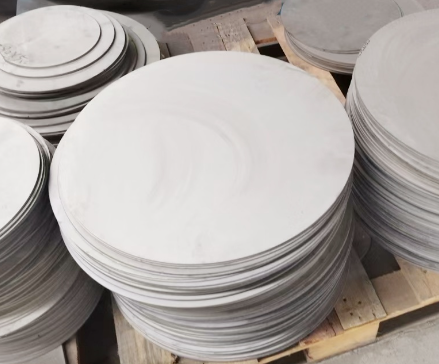
II. Weight Calculation Formula
Calculating the weight of a molybdenum plate is akin to solving a simple math problem:
Basic Formula: Weight (kg) = Area (m²) × Thickness (mm) × 10.2 × 0.001
Simplified Version: Weight per square meter ≈ Thickness (mm) × 10.2 kg
Example: A 2mm-thick molybdenum plate weighs approximately 20.4 kg per square meter, while a 5mm-thick plate weighs approximately 51 kg.
Remember this rule of thumb: for every 1mm increase in thickness, the weight increases by approximately 10.2 kg.
III. Practical Reference Data
A quick-reference chart organized by common thicknesses:
1mm Thickness: Approx. 10.2 kg/m²
3mm Thickness: Approx. 30.6 kg/m²
10mm Thickness: Approx. 102 kg/m²
20mm Thickness: Approx. 204 kg/m²
Actual weights may fluctuate by ±1%, primarily influenced by surface treatment processes and edge cutting methods.
Post time: Mar-21-2026