

I. Why are Molybdenum Plates So Popular?
Molybdenum, a silvery-white metal, boasts an ultra-high melting point of 2800℃ and excellent thermal conductivity, making it a hidden champion in the industrial field. Manufacturing molybdenum plates is like making noodles for metal—molybdenum powder is first pressed into a blank, sintered under hydrogen protection, and then subjected to rigorous hot and cold rolling processes. The final plate can be as thin as 0.1mm, yet it remains remarkably stable even in extreme environments such as rocket nozzles and semiconductor supports.
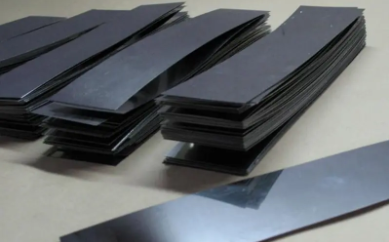
II. The Ingenuity of the Process
Powder Metallurgy: Using molybdenum powder with a particle size of 3-5 micrometers, a binder is added and pressed like dough, achieving a density of up to 85% of the theoretical value.
Sintering Art: Hydrogen gas is introduced into a vertical furnace at 1800℃, causing the powder particles to form a magical metallurgical bond.
Rolling Magic: First, a billet is hot-rolled at 1200℃, then finished with room temperature cold rolling. The entire process requires meticulous temperature and humidity control, much like caring for a baby.
III. Unexpected Applications
Beyond the well-known aerospace field, molybdenum plates are creating new miracles: rotating targets for medical CT scanners, substrates for photovoltaic thin-film batteries, and even heat sinks for wireless charging coils in mobile phones. Even more remarkably, molybdenum alloy plates with rare earth elements maintain strength while increasing ductility by 40%, providing new possibilities for flexible electronic devices.
Post time: Apr-12-2026