

In high-wear scenarios such as aero engine blades, oil drilling bits, and mold manufacturing, a hard coating called tungsten carbide silently protects the lifespan of equipment. How is this coating precisely sprayed onto metal surfaces? Tungsten carbide thermal spraying plants are the core carriers of this technology. They use precise processes to transform tungsten carbide powder into a wear-resistant barrier, providing “armor” for industrial equipment. This article will take you inside such plants, revealing their technical principles, process characteristics, and industry value.
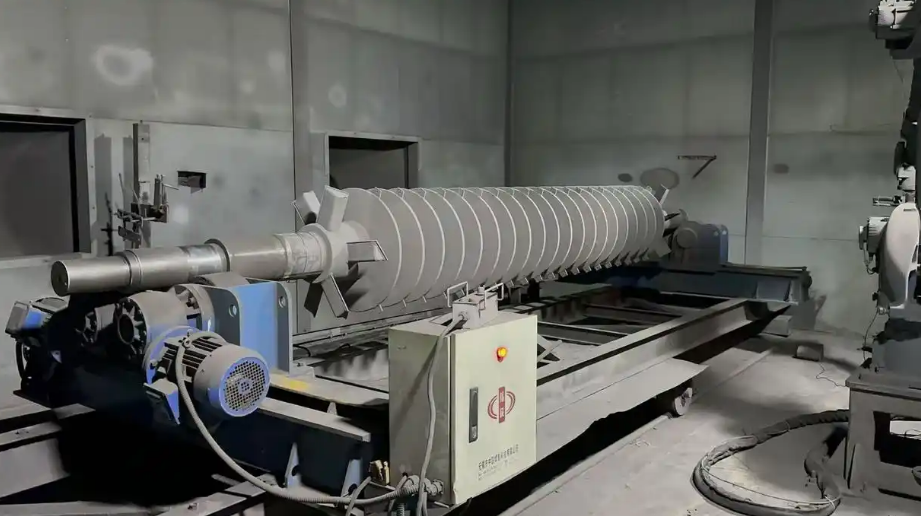
I. Thermal Spraying of Tungsten Carbide: The “Magic” from Powder to Coating
Tungsten carbide (WC) is a compound composed of tungsten and carbon. Its hardness is second only to diamond, and it possesses excellent high-temperature resistance and corrosion resistance. However, directly processing bulk tungsten carbide into parts is extremely costly. Therefore, thermal spraying technology is commonly used in industry to “adhere” tungsten carbide powder onto the surface of a substrate. This process is similar to spraying paint onto a wall with a high-pressure spray gun, but the temperature reaches thousands of degrees Celsius, and the melting state and flight speed of the powder must be controlled.
The core principle of thermal spraying is to heat tungsten carbide powder to a molten or semi-molten state using a heat source such as a flame, electric arc, or plasma, and then spray it at high speed onto the substrate surface to form a dense coating. This process does not alter the overall structure of the substrate but significantly improves its wear resistance—for example, spraying a 0.5 mm thick tungsten carbide coating onto the surface of a steel mold can extend its lifespan by 5-10 times.
II. The Factory’s “Hardcore” Process: Three Steps to Create a High-Performance Coating
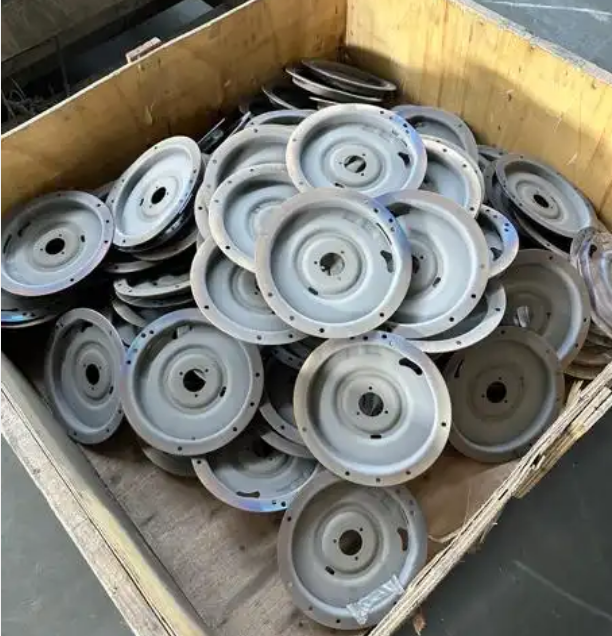
1. Substrate Pretreatment: Cleaning and Roughening
The adhesion between the tungsten carbide coating and the substrate depends on surface cleanliness and roughness. The factory first removes oil and oxide layers from the substrate surface using sandblasting or chemical cleaning. Then, sandblasting creates micro-pits on the surface, increasing the mechanical bonding area between the coating and the substrate.
2. Thermal Spraying: Precise Control of Temperature and Speed
Depending on coating requirements, the factory can choose from processes such as high-velocity vapor deposition (HVOF), plasma spraying, or arc spraying. For example, the HVOF process uses a high-temperature, high-speed gas flow generated by burning a mixture of propane and oxygen to propel tungsten carbide powder at supersonic speeds onto the substrate surface, forming a dense coating with a porosity of less than 1%, achieving a hardness of HV1200-1400 (close to the hardness of bulk tungsten carbide).
3. Post-processing: Sealing and Machining
The coated surface may contain micropores. The factory will seal these pores by impregnating them with resin or molten metal to prevent corrosive media from penetrating. If precise dimensional accuracy is required, the coating will also be ground or polished to ensure its fit with the parts.
III. Industry Value: The “Invisible Guardian” from Equipment to Everyday Life
The technology of thermal spraying tungsten carbide has penetrated multiple fields: In aerospace, engine turbine blades coated with tungsten carbide can withstand temperatures exceeding 1500℃ and dust erosion; in the energy industry, oil drilling bits coated with this technology increase drilling speed by 30% and double their lifespan; in mold manufacturing, the coating reduces friction between the mold and plastics or metals, lowering the scrap rate. Even everyday items such as printer rollers and papermaking machine cutters rely on this technology to improve durability.
As industry demands for equipment lifespan and efficiency continue to increase, thermal spraying tungsten carbide factories are developing towards intelligent and green manufacturing. For example, robotic control of the spraying trajectory reduces human error; low-temperature spraying processes lower the risk of substrate thermal deformation; and the development of recyclable tungsten carbide powder reduces material waste. These innovations are driving hard coating technology from “specialized” to “universally applicable.”
From an ordinary metal substrate to a “wear-resistant warrior” covered in tungsten carbide coating, thermal spraying tungsten carbide plants are redefining the boundaries of materials with technology. If you are interested in industrial coating technology, keep an eye on the latest developments in this field. Perhaps the next tool you use will be more durable and efficient because of this technology.
Post time: May-18-2026