

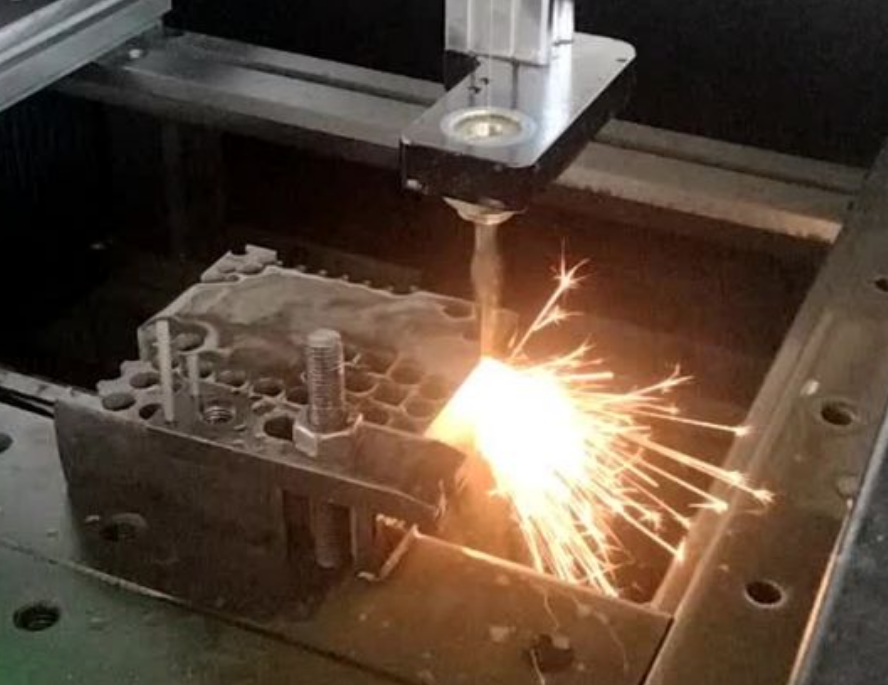
Wire-cut EDM (Electrical Discharge Machining) is a widely used metal processing method, particularly suitable for cutting various metal materials such as copper and aluminum alloys. However, the molybdenum wire used in this process is prone to becoming slack during operation; this not only compromises machining quality but can also lead to equipment damage and increased production costs. This article explores the causes, consequences, and solutions regarding molybdenum wire slackness.
Causes of Slackness
Mechanical Stress: During the cutting process, the molybdenum wire is subjected to significant tensile force, which can cause deformation and slackness. The material properties and manufacturing process of the wire also influence the degree of slackness. If the material is inconsistent or the manufacturing process is flawed, tensile strength and wear resistance decrease, making the wire more susceptible to slackness.
Insufficient Tension: The wire requires a specific level of tension to cut effectively. If the tension is inadequate, the wire is prone to becoming slack.
Unstable Current: An unstable cutting current can cause uneven heating along the wire, leading to localized slackness. Stable cutting conditions are crucial for maintaining the wire’s stability.
Cutting Speed Issues: Both excessively high and excessively low cutting speeds can adversely affect the wire. High speeds may induce thermal stress, while low speeds may cause mechanical stress; both scenarios can lead to wire slackness.
Consequences
Reduced Machining Precision: Slack wire leads to decreased cutting accuracy, thereby compromising the quality of the finished part.
Equipment Damage: Slack wire is prone to snapping, which not only damages the equipment but also increases production costs.
Equipment Wear: Slack wire increases friction during the cutting process, accelerating equipment wear and shortening its service life.
Solutions
Select High-Quality Molybdenum Wire: Choosing wire material with high tensile strength and wear resistance is key. High-quality material effectively withstands tensile forces and friction, thereby reducing the likelihood of slackness.
Optimize Manufacturing Processes: During production, ensure material uniformity and avoid internal stress concentrations to enhance the wire’s tensile strength and wear resistance. In addition, supplementary measures—such as increasing the molybdenum wire diameter or the cutting speed—can be adopted to reduce the stress and friction acting on the wire, thereby lowering the likelihood of slackening.
By employing these methods, the issue of molybdenum wire slackening in wire-cut EDM can be effectively resolved, leading to improved machining quality and an extended equipment service life.
Post time: Sep-28-2026