

A. Applications of Tungsten Carbide Targets in Semiconductor Manufacturing
The semiconductor manufacturing industry is a pillar of modern technology, imposing extremely high standards on material selection and application. Thanks to their unique physical and chemical properties, tungsten carbide targets are widely used in several critical stages of semiconductor manufacturing. The following sections detail the specific applications of tungsten carbide targets in photolithography processes, thin-film deposition technologies, and the optimization of semiconductor performance.
1. Applications in Photolithography Processes
Photolithography is one of the most crucial steps in semiconductor manufacturing; its core function is the precise transfer of complex circuit patterns onto silicon wafers. As the feature sizes of integrated circuits continue to shrink, photolithography processes face increasing challenges—particularly during the etching stage, where material selection directly impacts pattern precision and production efficiency.
The use of tungsten carbide targets in photolithography etching processes relies primarily on the material’s high density, high hardness, and low chemical reactivity. These properties enable precise etching control during plasma etching, minimize unnecessary material loss, and thereby ensure the intricacy and integrity of circuit patterns.
Furthermore, tungsten carbide’s high melting point (approximately 2870°C) and excellent corrosion resistance allow it to withstand the extreme plasma environments encountered during etching, reducing material degradation and contamination. Compared to other materials, the stability of tungsten carbide significantly improves process yields and lowers manufacturing costs, making it an indispensable material for the production of high-density, high-performance integrated circuits.
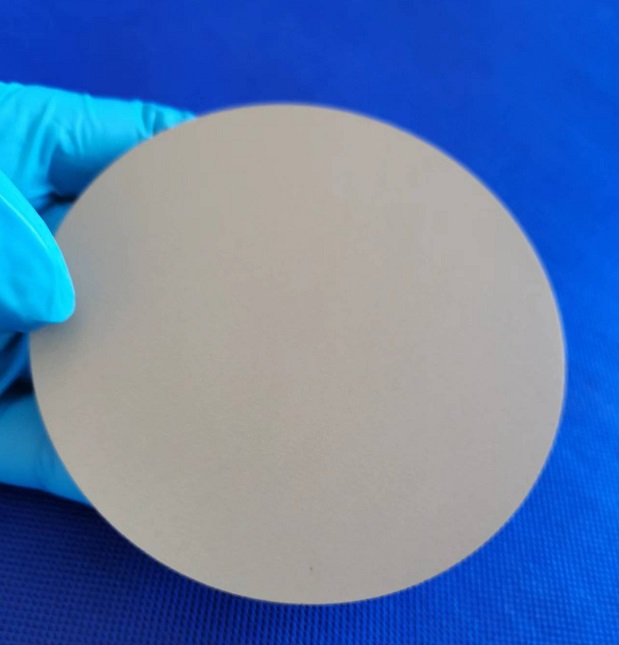
2. Thin-Film Deposition Technologies (PVD, CVD)
In semiconductor manufacturing, thin-film deposition technologies—such as Physical Vapor Deposition (PVD) and Chemical Vapor Deposition (CVD)—are critical process steps that determine the performance and reliability of the final device. Tungsten carbide targets play a vital role in both of these deposition technologies. In the PVD process, tungsten carbide targets are bombarded by high-energy ions, causing the material to evaporate and deposit onto the wafer surface, thereby forming a dense tungsten carbide thin film. This film possesses exceptional hardness and wear resistance, effectively enhancing the mechanical strength and durability of semiconductor devices. Furthermore, the high electrical conductivity and low impedance of tungsten carbide films make them ideal electrode materials for semiconductor components, helping to improve current conduction efficiency and reduce power consumption.
In the CVD process, tungsten carbide is deposited onto the wafer surface through chemical reactions in a high-temperature environment, creating a uniform tungsten carbide thin film. A key advantage of tungsten carbide in CVD processes is its ability to form uniform coatings on complex 3D structures, ensuring that every part of the device is adequately protected. Additionally, the high-temperature stability and oxidation resistance of tungsten carbide films make them particularly suitable for high-power, high-frequency semiconductor devices, effectively preventing thermal runaway during operation.
3. Optimizing Semiconductor Performance
Tungsten carbide films play a pivotal role not only in the manufacturing process but also in optimizing the final performance of semiconductor devices. First, the high electrical conductivity of tungsten carbide films effectively lowers internal device resistance, thereby improving current conduction efficiency. This is particularly crucial for high-performance computing chips and high-power devices, as it significantly boosts operating speeds and energy efficiency.
Second, the high hardness and wear resistance of tungsten carbide films provide a robust protective layer, preventing performance degradation caused by mechanical stress or wear during long-term use. Moreover, the oxidation resistance of tungsten carbide ensures that devices maintain stable electrical performance and a long service life, even in extreme operating environments characterized by high temperatures and humidity.
Finally, the application of tungsten carbide targets in performance optimization also extends to enhanced electromagnetic shielding and thermal management. Tungsten carbide films effectively shield against external electromagnetic interference, ensuring signal integrity, while their high thermal conductivity facilitates rapid heat dissipation, preventing damage caused by device overheating.
B. Application of Tungsten Carbide Targets in Machining and Tool Manufacturing
Machining and tool manufacturing are vital components of modern industrial production, requiring materials that possess exceptional wear resistance, hardness, and durability. Thanks to their superior properties, tungsten carbide targets are widely used in this sector for the production of cemented carbide tools, high-performance cutting tools, and super-hard materials, thereby driving continuous advancements in machining technology.
1. Cemented Carbide Tools
Cemented carbide tools are among the most commonly used cutting tools in machining, and their performance directly impacts machining precision and production efficiency. As a core material for these tools, tungsten carbide is the ideal choice for high-performance applications due to its extreme hardness and wear resistance.
Tungsten carbide’s exceptional hardness (approximately 9.5 on the Mohs scale) allows tools to maintain a sharp cutting edge during high-intensity operations, effectively meeting the demands of machining hard materials such as titanium alloys and stainless steel. Furthermore, the material’s high wear resistance extends tool life and minimizes production downtime caused by frequent tool changes, thereby boosting overall productivity.
Another key advantage is the thermal stability of tungsten carbide tools. High-speed cutting generates significant heat; however, tungsten carbide’s high melting point and excellent thermal stability ensure that the tool retains its mechanical properties at elevated temperatures, preventing edge chipping or dulling due to overheating. This characteristic significantly enhances machining precision and reliability, making tungsten carbide targets the preferred material for manufacturing cemented carbide tools.
2. High-Performance Cutting Tools
High-performance cutting tools are essential in the precision machining sectors of modern manufacturing, where requirements for accuracy and efficiency are extremely stringent. When used to manufacture these tools, tungsten carbide targets significantly enhance overall tool performance thanks to their outstanding physical properties.
Tungsten carbide cutting tools offer exceptional rigidity and fatigue resistance, maintaining stability during high-speed operations and minimizing vibration and deviation. This is particularly crucial for machining high-precision components, as it significantly improves machining quality and reduces defect rates. At the same time, the heat resistance of tungsten carbide materials allows tools to operate for extended periods in high-temperature environments without failure, further enhancing machining efficiency and tool lifespan.
In specialized applications—such as the machining of high-hardness alloys—the advantages of tungsten carbide tools are particularly evident. Their high hardness and impact resistance enable them to maintain cutting-edge integrity under intense mechanical shock, ensuring the continuity and stability of the machining process. This makes tungsten carbide a preferred choice for manufacturing high-performance cutting tools, driving continuous progress in precision machining technology.
3. Application of Tungsten Carbide in the Field of Superhard Materials
Superhard materials are increasingly utilized in modern industry, particularly for extreme machining tasks such as grinding and drilling. Thanks to its exceptional hardness and durability, tungsten carbide serves as a crucial component in the manufacture of superhard materials.
In the production of abrasive tools, tungsten carbide enables the creation of grinding tools characterized by high hardness and superior wear resistance, suitable for the high-precision grinding of various metallic and non-metallic materials. The long service life and stable performance of tungsten carbide abrasive tools significantly reduce production downtime, thereby boosting overall productivity and product quality.
Tungsten carbide plays an equally critical role in drill bit manufacturing. Tungsten carbide drill bits enable efficient drilling into challenging workpieces, such as high-hardness rock formations and metal materials; their outstanding wear and impact resistance ensure sustained high performance during rigorous operations. These material properties not only extend the drill bit’s lifespan but also significantly increase drilling speed and precision, while reducing production costs and time.
The application of tungsten carbide in the superhard materials sector has not only facilitated the execution of complex machining tasks but has also provided more reliable machining solutions for the advancement of modern industry.
C. Application of Tungsten Carbide in Aerospace and Defense
The aerospace and defense industries represent the forefront of modern technology, imposing extremely stringent requirements on materials—particularly for critical components operating in extreme environments. Due to its exceptional hardness, wear resistance, and chemical stability, tungsten carbide is widely used in aerospace coatings, protective armor, and aircraft engine components. 1. Aerospace Coatings
In the aerospace sector, aircraft components are frequently exposed to high-temperature, high-pressure, and corrosive environments; consequently, material selection is directly linked to the safety and service life of the aircraft. The application of tungsten carbide targets in aerospace coating technology offers an effective solution.
Due to their exceptional hardness and wear resistance, tungsten carbide coatings effectively protect critical components—such as turbine blades and turbine disks—by minimizing wear and extending service life. These coatings perform particularly well in high-temperature gas environments, significantly enhancing the oxidation and heat resistance of turbine blades and ensuring their functional integrity under extreme conditions.
Furthermore, the corrosion resistance of tungsten carbide coatings makes them an ideal material for protecting aircraft exterior structures. Applying tungsten carbide to the airframe surface effectively prevents environmental oxidation and corrosion, thereby extending the aircraft’s lifespan and reducing maintenance costs.
2. Protective Armor Materials
In the field of military protection, the ballistic resistance and protective capabilities of armor materials are paramount. Thanks to its extreme hardness and density, tungsten carbide is a preferred material for manufacturing protective armor.
Tungsten carbide armor offers excellent penetration resistance, effectively withstanding attacks from high-kinetic-energy armor-piercing projectiles and shrapnel. Its high hardness ensures that, upon intense impact, the armor effectively absorbs and dissipates impact energy, minimizing harm to internal equipment and personnel. Additionally, the material’s high melting point and oxidation resistance allow it to maintain protective capabilities in high-temperature combat environments without failing due to environmental changes.
The widespread use of tungsten carbide in protective armor provides a crucial safeguard for the safety and survivability of military equipment, significantly advancing the overall standard of military protection technology.
3. Aero-engine Components
Aero-engines are core aircraft components that require materials with exceptional heat, oxidation, and fatigue resistance. Tungsten carbide is utilized in key areas of aero-engines, such as turbine blades and combustion chamber liners.
Turbine blades operate in environments characterized by extremely high temperatures and gas pressures, necessitating materials with superior oxidation and heat resistance. Tungsten carbide coatings not only significantly enhance the oxidation resistance of turbine blades but also maintain their mechanical properties in high-temperature environments, preventing deformation or failure. Furthermore, the application of tungsten carbide in combustion chamber liners effectively protects chamber walls from erosion by high-temperature gases, ensuring long-term, stable operation.
The use of tungsten carbide targets in aero-engines provides critical support for enhancing overall engine performance and reliability, thereby driving continuous progress in aviation technology.
D. Applications of Tungsten Carbide Targets in Energy and Environmental Sectors
The energy and environmental sectors impose rigorous demands on materials, particularly in applications involving high temperatures, high pressures, and corrosive environments. Thanks to its exceptional properties, tungsten carbide shows great promise for use in the nuclear industry, renewable energy equipment, and environmental engineering.
1. Applications in the Nuclear Industry
Materials used in the nuclear industry must possess outstanding radiation, heat, and corrosion resistance to ensure the safe operation of reactors. Due to its superior physical and chemical properties, tungsten carbide is a promising material for this sector.
As a cladding material, tungsten carbide provides effective protection for nuclear fuel rods, preventing corrosion or damage in high-temperature and high-radiation environments and thereby extending their service life. Additionally, its neutron-absorbing capability offers a distinct advantage in nuclear reactors, allowing for effective control of neutron flux and enhancing both safety and operational efficiency.
The use of tungsten carbide targets in the nuclear industry not only improves reactor stability but also fosters the sustainable development of nuclear energy technology.
2. Renewable Energy Equipment
Tungsten carbide targets also demonstrate significant potential in the renewable energy sector, particularly for equipment such as solar cells and wind turbines.
In solar cells, tungsten carbide thin films can serve as protective layers, shielding the cells from environmental degradation and extending their lifespan. Moreover, the high electrical conductivity of tungsten carbide helps improve energy conversion efficiency and increase power output. In wind turbines, tungsten carbide coatings protect critical components—such as blades and bearings—from wear and corrosion; this application is particularly valuable in harsh environments like offshore wind farms.
The use of tungsten carbide targets in renewable energy equipment not only enhances equipment reliability and longevity but also drives the adoption and development of clean energy.
3. Applications in Environmental Engineering
Tungsten carbide is primarily used in environmental engineering within wastewater treatment equipment. Corrosion resistance is crucial when treating wastewater containing strong acids, strong alkalis, or other corrosive substances.
Thanks to their excellent corrosion resistance, tungsten carbide coatings significantly enhance the durability of wastewater treatment equipment, reducing equipment failures and maintenance needs caused by corrosion. Furthermore, the high hardness and wear resistance of tungsten carbide materials ensure stable performance during long-term operation, thereby improving treatment efficiency and lowering maintenance costs.
The application of tungsten carbide targets in environmental engineering provides strong support for environmentally friendly and sustainable industrial production, fostering the development of green technologies.
E. Applications of Tungsten Carbide Targets in Medical and Bioengineering
The fields of medical and bioengineering demand rigorous material selection, requiring excellent biocompatibility, durability, and stability. With their unique physicochemical properties, tungsten carbide targets are widely used in medical devices and biosensors.
1. Medical Devices
Tungsten carbide targets are primarily used in the manufacture of high-precision medical instruments, such as surgical blades and orthopedic tools. The high hardness and wear resistance of tungsten carbide allow these instruments to remain sharp during surgery, ensuring cutting precision and safety.
In the realm of orthopedic tools, the biocompatibility and high strength of tungsten carbide make it an ideal material for manufacturing implants such as bone screws and plates. These materials maintain long-term stability within the body without triggering rejection reactions or biodegradation, thereby improving patient treatment outcomes and recovery speeds.
The application of tungsten carbide targets in medical devices not only enhances device performance and lifespan but also provides vital support for the advancement of modern medicine. 2. Biosensors
Biosensors require high sensitivity and stability to ensure the accurate detection of biomolecules. The application of tungsten carbide targets in biosensors primarily serves to enhance these performance characteristics.
The high electrical conductivity and chemical stability of tungsten carbide thin films enable them to maintain consistent sensing performance within complex biological environments, thereby reducing background interference and improving detection accuracy. Furthermore, the corrosion resistance and biocompatibility of tungsten carbide make it particularly suitable for use in in vivo sensors, allowing for stable, long-term operation.
The application of tungsten carbide targets in biosensors provides technical support for the development of biomedical engineering, driving advancements in precision medicine and biodetection technologies.
Post time: Jul-08-2026