

Molybdenum, a truly “all-around metal.” Its wire-like products are used in the lighting industry, semiconductor substrates for power electronics, glass melting electrodes, hot zones of high-temperature furnaces, and sputtering targets for flat panel displays used to coat solar cells—it’s ubiquitous in our daily lives, both visible and invisible.
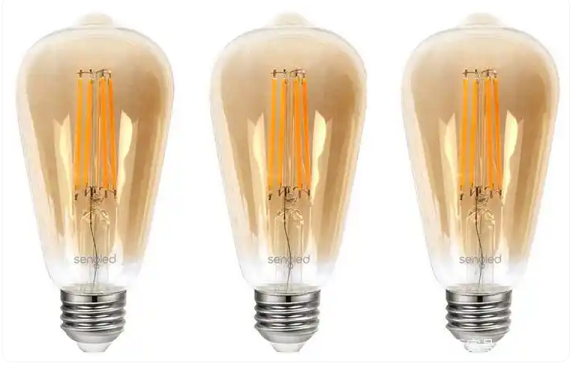
As one of the most valued industrial metals today, molybdenum has a very high melting point and doesn’t soften or expand much even under high pressure and temperature. Due to these properties, molybdenum wire products have a wide range of applications, such as automotive and aircraft parts, vacuum devices, light bulbs, heating elements and high-temperature furnaces, printer needles, and other printer parts.
Molybdenum wires are classified by material into pure molybdenum wire, high-temperature molybdenum wire, spray-coated molybdenum wire, and wire-cut molybdenum wire. Different types have different properties and applications.
Pure molybdenum wire has high purity and a blackish-gray surface. After alkaline washing, it becomes white molybdenum wire. It has good electrical conductivity and is therefore frequently used as a component in light bulbs. For example, it can be used to manufacture supports for tungsten filaments, leads for halogen bulbs, and electrodes for gas discharge lamps and tubes. This type of wire is also used in aircraft windshields, where it acts as a heating element, providing defrosting functionality; it is also used to manufacture the grids of electron tubes and power transistors.
High-temperature molybdenum wire is made by adding lanthanum, a rare earth element, to pure molybdenum. This molybdenum-based alloy is preferred over pure molybdenum because it has a higher recrystallization temperature, is more robust and ductile after exposure to high temperatures. Furthermore, after being heated above its recrystallization temperature and processed, the alloy forms an interlocking grain structure that contributes to anti-sagging and structural stability. Therefore, it is frequently used in high-temperature structural materials such as printed pins, nuts and screws, halogen lamp holders, high-temperature furnace heating elements, and leads for quartz and high-temperature ceramic materials.
Spray-coated molybdenum wire is mainly used in easily worn automotive parts, such as piston rings, transmission synchronizers, and gear shift forks. Forming a thin coating on the worn surface provides excellent lubrication and wear resistance for vehicles and parts subjected to high mechanical loads.
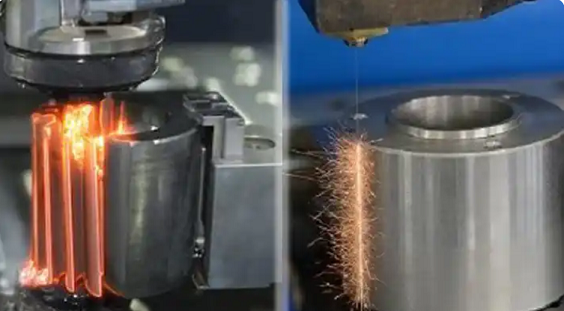
Molybdenum wire used in wire EDM can cut virtually all conductive materials, including metals such as steel, aluminum, brass, titanium, and other types of alloys and superalloys. The hardness of the material is not a factor in wire EDM.
As a professional tungsten and molybdenum manufacturer with over 20 years of experience, FOTMA ALLOY can provide all types of molybdenum wire for use in various industries.
Related Products to this article: Molybdenum wire
Post time: Apr-01-2026